


Investing in the Future
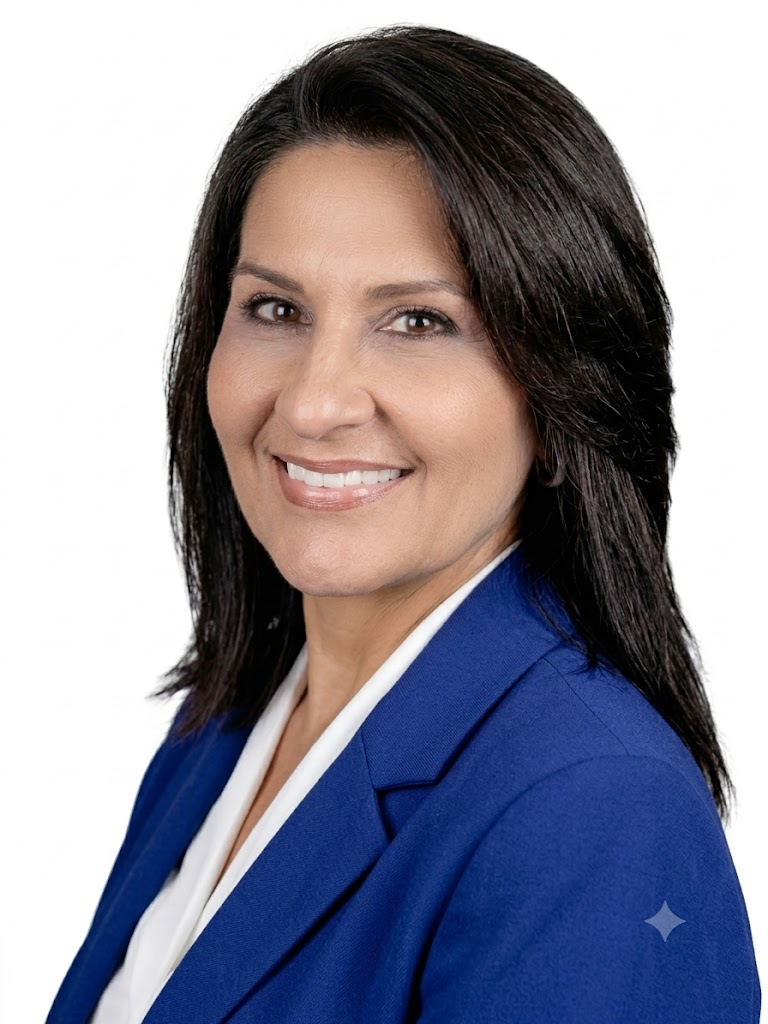
The future of Texas depends on the choices made today for its children, Representative Penny Morales Shaw said during the latest installment of the Houston Community Media interview series, Who Cares About Our Youth? Speaking candidly about the challenges facing students across Houston and the state, the Houston legislator argued that strengthening families, adequately funding public education, and expanding opportunities for young people should remain among the state’s highest priorities. Drawing from her own experience as a single mother who raised four children while building a legal career, Morales Shaw said that understanding the realities faced by working families has shaped every aspect of her legislative work. “Our youth are one of the most important things that we can invest in because that will yield results in the future for us,” she said. “The family is the basis of society, and education is a huge basis for that.”
Supporting Families and Schools
Morales Shaw said that policies affecting children cannot be separated from the broader economic pressures facing families. She pointed to wages, workplace protections, paid family leave, and support for foster children as interconnected issues that ultimately influence educational success and community well-being. She argued that government should focus on strengthening families before problems escalate into larger social challenges. Looking beyond immediate concerns, she urged lawmakers to examine why young people enter the juvenile justice system and how stronger support systems could prevent those outcomes. “Government should be looking at how to strengthen the family unit,” she said. “Our priorities should be helping children succeed before they reach a crisis.”
The representative expressed concern about disciplinary practices that introduce children to the criminal justice system at an early age. She recalled legislative efforts to raise the minimum age at which children can be handcuffed and arrested on school campuses, saying that placing very young students into punitive systems can have lasting psychological consequences. “What message are we sending our youth?” she asked. “We have to continue working on creating positive self-image and helping children believe they can achieve what they set their minds to do.”
Funding Education
Education funding remained one of the dominant themes throughout the discussion. Morales Shaw said parents, teachers, and administrators across her district continue to express concern about school closures, reduced educational programs, increasing testing requirements, and the loss of valuable services that support student success. She said teachers are being asked to do more while receiving fewer resources and less flexibility inside the classroom.
According to Morales Shaw, programs serving students with special needs and dual language learners are especially important because they recognize that every child learns differently. She argued that effective education requires adequate staffing, instructional support, and funding models that reflect the diverse needs of students. “Teachers are getting squashed between responsibility and support,” she said. “The burdens are much greater than the support they are finding.”
Morales Shaw also emphasized that sufficient funding allows schools to provide counselors, nurses, extracurricular activities, tutoring, arts programs, and other services that help students thrive academically and emotionally. She warned that when schools lose these resources, the effects extend beyond the classroom and into families and entire communities. “School funding equalizes opportunity,” she said. “It allows everybody to find their talents, develop them, and dream about what they want to become.”
Impact on Immigrant Families
Morales Shaw also addressed concerns affecting immigrant families, describing how federal immigration policy changes and state-level actions can create uncertainty for parents and children alike. She discussed the importance of ensuring that all children continue to have access to education and voiced concern about proposals that could affect immigrant communities. She noted that many nonprofit organizations providing food assistance, housing support, and community services have also faced increasing pressure as funding sources have changed.
For many immigrant families, schools often serve as trusted centers of stability, language support, and community connection. Any disruption to educational access or student services can therefore have consequences that reach far beyond academics. Morales Shaw encouraged ethnic and community media to continue reporting on the experiences of families whose voices are often overlooked in broader public discussions.
The Role of Community Media
Closing the interview, Morales Shaw praised ethnic media outlets for maintaining close relationships with neighborhoods and families across Texas. She encouraged journalists to continue bringing community concerns directly to lawmakers while also helping residents understand policy decisions that affect their daily lives. “We need you to tell us what families are experiencing,” she said. “You are boots on the ground talking to people in affected communities. It helps us know what children and families are going through.” She added that lawmakers also have a responsibility to keep community media informed about policy changes that may quietly but significantly affect immigrant families, allowing journalists to serve as an important bridge between government and the public.