

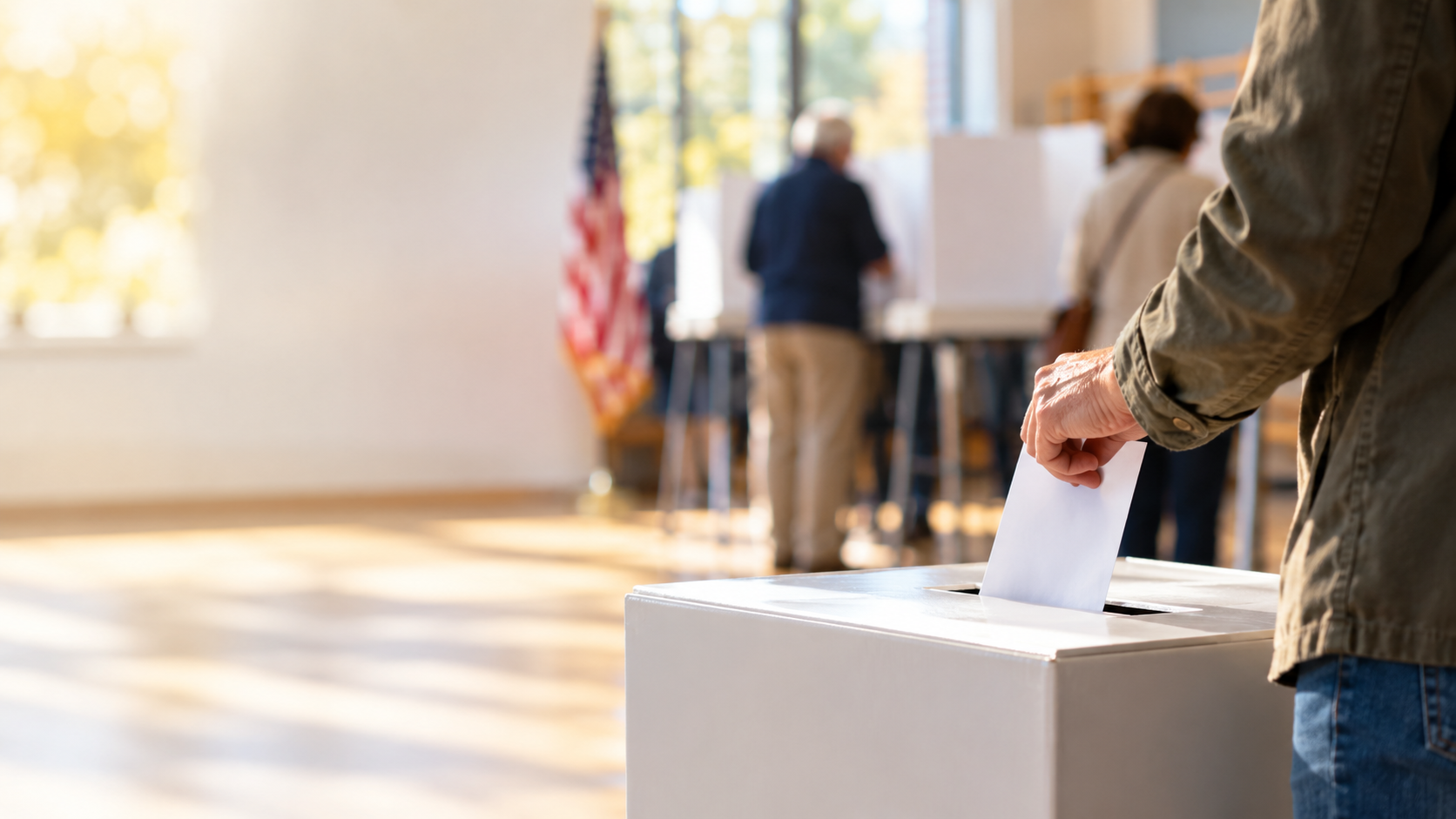
As Texas moves toward the November 3 general election, journalists and community media organizations are being urged to play a critical role in helping voters understand election laws, deadlines, voting rights, and the growing challenge of misinformation. During a Houston Community Media briefing presented with the Texas Civil Rights Project, speakers emphasized that accurate election reporting can do more than explain political contests. It can help citizens understand their rights, reduce unnecessary fear, and ensure that communities traditionally underserved by mainstream media have access to reliable information.
Understanding the Rules
Carl Blair, Senior Election Protection Attorney with the Texas Civil Rights Project, said journalists should become familiar with the legal framework governing elections rather than relying on political claims or social media interpretations. “The topic of today’s briefing and the presentation is reporting on Texas elections for the November 2026 general election,” Blair said. He explained that the Texas Election Code is the principal body of state election law, while Chapter 81 of the Texas Administrative Code contains rules governing how those laws are implemented.
For voters, several dates remain especially important. In-person early voting runs from October 19 through October 30, while Election Day is Tuesday, November 3. Mail ballots without a postmark generally must reach county officials by 7 p.m. on Election Day, while properly postmarked ballots may arrive by 5 p.m. on November 4. November 9 is the deadline for certain ballot-curing procedures and for voters who cast provisional ballots because of identification issues to provide the necessary identification.
Blair also stressed that voter eligibility should be explained accurately. Texas voters must be U.S. citizens, at least 18 years old on Election Day, registered to vote, and not currently serving a sentence for a final felony conviction. Having a legal guardian does not automatically remove a person’s voting rights unless a judge has specifically ruled that the person cannot vote.
Language and Immigrant Communities
For immigrant communities, particularly naturalized citizens and people voting in the United States for the first time, clear explanations can make a significant difference. Blair noted that voting materials throughout Texas must be available in English and Spanish. Harris County must also provide materials in Chinese and Vietnamese, while Dallas and Tarrant counties have additional Vietnamese-language requirements.
That accessibility matters most in diverse communities where voters may understand conversational English but still struggle with complex election terminology. Community newspapers, ethnic media and faith-based publications can therefore serve as trusted bridges between official election information and the people who need it.
Reporting Without Creating Fear
Stephanie Drenka, Earned Media Manager for the Texas Civil Rights Project, focused on the responsibility journalists carry when covering voter intimidation, political violence and alarming election-related claims. She cautioned against reporting that unintentionally frightens people away from voting.
Drenka said journalists must find “the balance between covering these really crucial, critical topics without creating a chilling effect that could scare people away from exercising their right to vote.”
She encouraged reporters to build relationships with credible sources before Election Day, so they can quickly check questionable claims. “Starting ahead of time and publishing pre-election stories on any confusing or new topics” can help communities before misinformation spreads, she said. Drenka particularly encouraged outreach to “new voters and new citizens who may be less familiar with American elections.”
Fighting Misinformation With Truth
Social media has made election misinformation especially difficult to contain. Drenka cautioned that repeating a false claim can sometimes expand its audience rather than correct it. Journalists should first determine whether misinformation has gained enough traction to warrant coverage.
When correction is necessary, she recommended a simple principle: “Start with the truth, leading with the truth.” Reporters should clearly state the verified fact, explain what is false and why, then conclude by returning to the accurate information. “The first and the last thing that the audience reads” should be the facts, she said.
Drenka also urged journalists not to exaggerate isolated incidents of intimidation or violence. Reports should be specific about what happened, who was involved, and what authorities are doing in response. At the same time, she said news organizations should not minimize genuine threats affecting vulnerable communities.
Community Media Has a Responsibility
The briefing carried particular significance for immigrant, ethnic and faith communities where trusted local media may be the primary source of practical civic information. For Christian readers, responsible participation in public life can include seeking truth, rejecting fear and treating neighbors with dignity even amid political disagreement.
Closing the session, Houston Community Media’s Nakia Cooper reminded journalists that their responsibility extends beyond simply covering candidates and campaigns. “Time is of the essence. Get this information out to your audiences ASAP,” Cooper said. “It’s on you to inform your communities.”
Her message was straightforward: election coverage at its best equips people rather than alarms them. In an environment increasingly shaped by misinformation, mistrust, and political division, accurate community journalism can help voters approach the ballot box informed, confident, and prepared.