

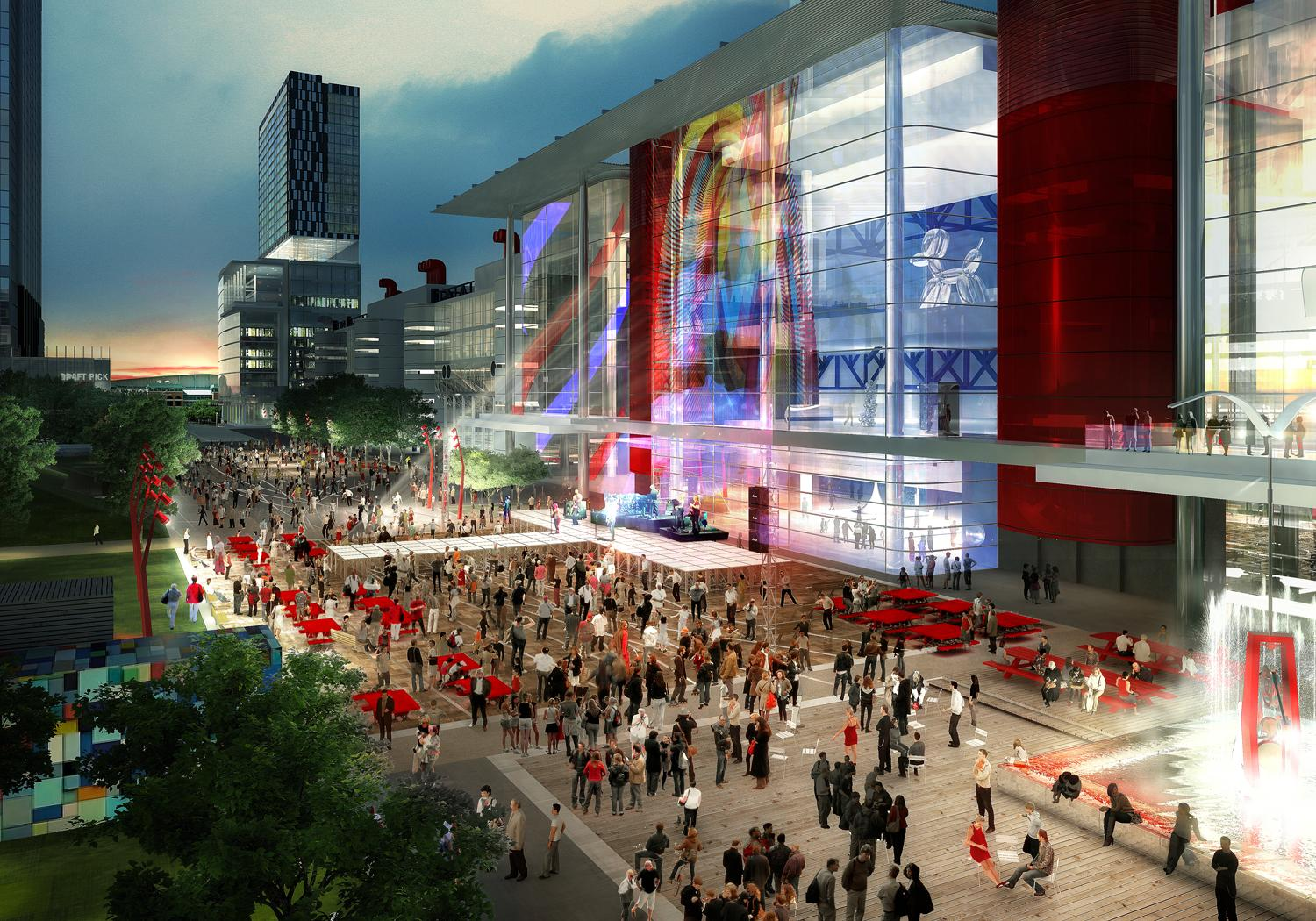
Houston is moving forward with one of the most ambitious development projects in its history as city leaders advance a $1.4 billion expansion of the George R. Brown Convention Center, a move expected to significantly reshape downtown and position the city as a leading destination for global events.
The project, which has secured full funding for its first phase, represents a major investment in Houston’s future, with leaders pointing to job creation, tourism growth, and expanded opportunities for local businesses as key benefits.
A Vision for Growth and Global Impact
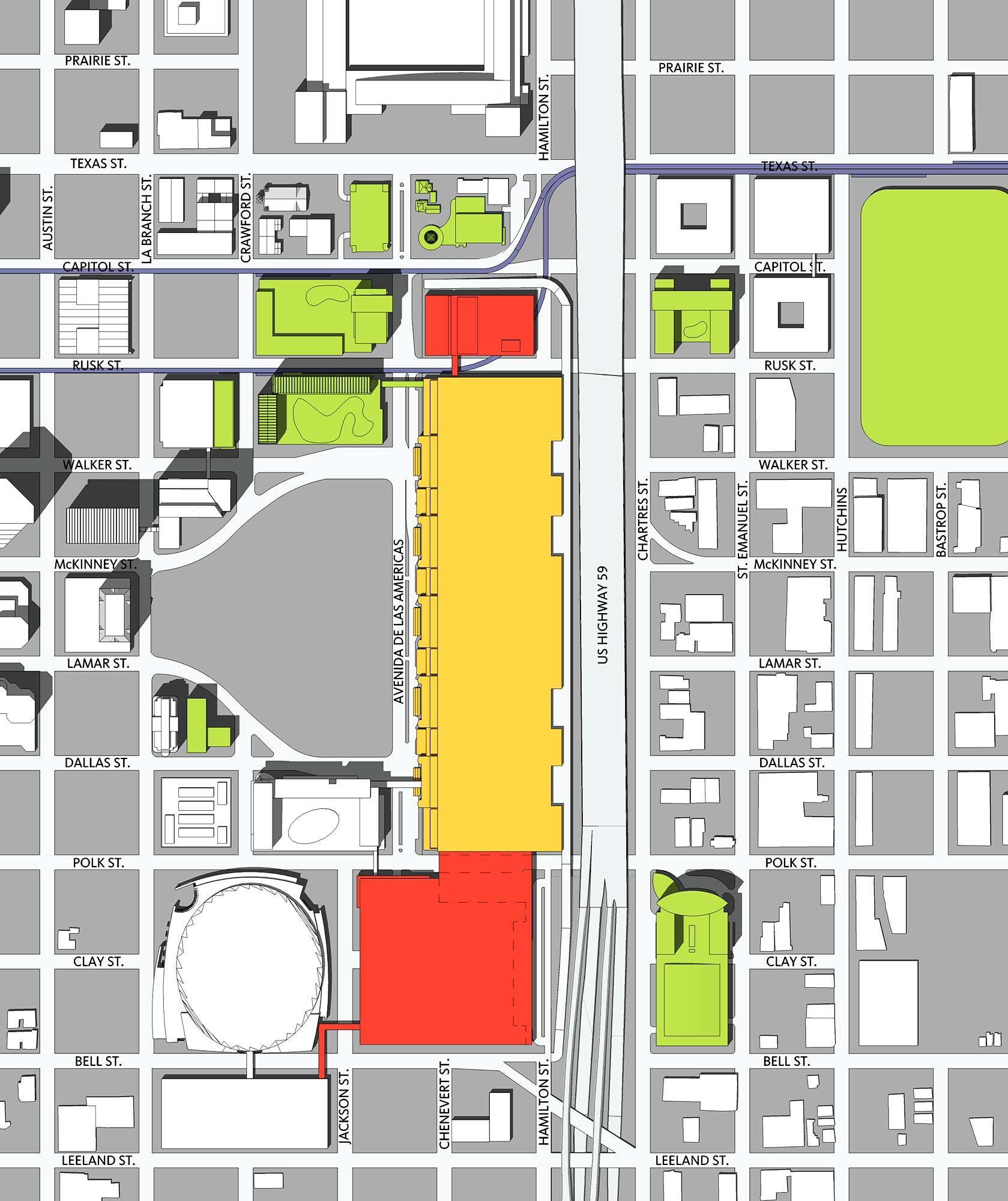
At the center of the expansion is the construction of a new 700,000-square-foot facility to be added to the existing convention center, which already spans more than 1.8 million square feet.
This new development, often referred to as GRB South, will include large exhibition halls, meeting spaces, and enhanced amenities designed to attract major conventions and international events.
City officials believe the expansion will strengthen Houston’s position in a competitive national landscape where cities like Dallas and Austin are also investing heavily in convention infrastructure.
Houston First Corporation, the organization overseeing the project, has emphasized that the goal is not only to grow the convention center but to create a unified district that connects entertainment, hospitality, and business activity in one central location.
Economic Opportunity and Job Creation
Supporters of the project say the expansion could generate long-term economic benefits that extend far beyond the convention center itself.
Estimates suggest the broader development could produce billions of dollars in economic activity over the coming decades, driven by increased tourism, business travel, and large-scale events.
The project is also expected to create jobs in construction, hospitality, and service industries, offering opportunities for workers and small business owners across the Houston area.
In addition, the expansion is already helping Houston secure major events. The city is preparing to host the Republican National Convention in 2028, aligning with the projected opening of the new facility.
Leaders also point to recent successes, such as securing long-term agreements to host major international events, including robotics competitions that draw tens of thousands of visitors to the city each year.
How the Project Is Being Funded
One of the most notable aspects of the expansion is how it is being financed.
Rather than relying on local property taxes, the project is largely funded through hotel occupancy tax revenue generated by visitors.
This funding model allows the city to invest in large-scale infrastructure while minimizing the direct financial burden on residents. Over time, officials expect tourism-driven revenue to cover the project’s costs.
City Council has approved billions in bond financing to ensure the project moves forward on schedule, with the first phase alone expected to cost over $1 billion.
Transforming the Convention District
The expansion is not limited to adding new buildings. It is part of a broader effort to transform Houston’s convention district into a more connected and vibrant urban space.
Plans include a large pedestrian plaza linking the convention center to the Toyota Center and nearby attractions, creating a walkable environment for visitors and residents alike.
There are also discussions about adding new hotels to accommodate increased visitor demand, further strengthening Houston’s ability to host major national and international events.
The project is expected to unfold in phases, with additional developments continuing into the next decade.
Balancing Growth With Community Concerns
While many leaders have praised the expansion, the project has also raised questions among some residents about its long-term impact.
Critics have pointed out that convention centers have historically not always generated enough revenue to cover their full costs, raising concerns about financial sustainability.
Others have expressed interest in ensuring that surrounding communities benefit from the development, particularly in areas near downtown and the East End.
City officials have responded by emphasizing community engagement efforts and long-term planning to ensure the project supports inclusive growth.
A Defining Moment for Houston
As construction progresses, the expansion of the George R. Brown Convention Center represents more than a building project. It reflects Houston’s broader vision of growth, opportunity, and global relevance.
For many, the project symbolizes a city preparing for the future, investing in infrastructure that can attract business, create jobs, and bring people together from around the world.
At the same time, it presents an opportunity for communities, churches, and local organizations to consider how they can engage with the economic and social changes taking place.
In a city known for its resilience and diversity, the success of this expansion may ultimately depend not only on its scale but on how well it serves the people who call Houston home.