

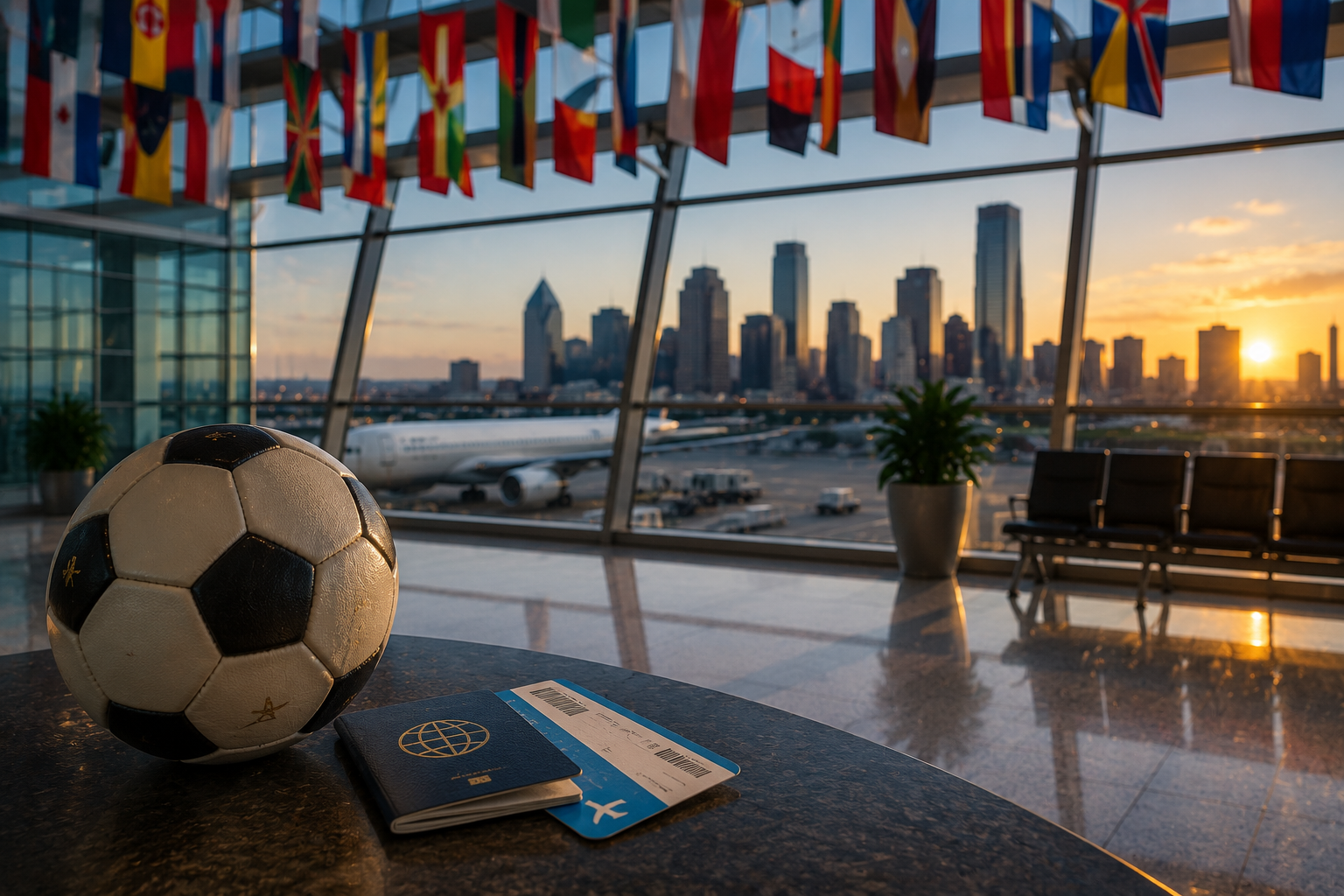
The 2026 FIFA World Cup has officially begun, bringing together nations, cultures, and millions of visitors from around the globe. For the first time in history, the tournament is being jointly hosted by the United States, Canada, and Mexico, making it the largest World Cup ever organized. Houston and Dallas are among the host cities and are expected to welcome thousands of international visitors throughout the tournament.
While excitement over the event continues to grow, another conversation has emerged alongside the celebration. Questions surrounding visas, travel restrictions, and international access have become part of the global discussion. For many travelers, obtaining permission to enter the United States has become one of the most significant challenges associated with attending the tournament.
The World Cup has always represented more than soccer. It is a gathering of nations that brings together people from different cultures, languages, races, and faith traditions. For many fans, attending a World Cup is a once-in-a-lifetime experience. Some spend years saving money for the opportunity. Others travel thousands of miles to support their national teams and experience a global celebration unlike any other.
This year, however, some travelers have reported concerns about visa processing delays, increased scrutiny during application reviews, and uncertainty regarding travel requirements. Immigration attorneys and travel experts have noted that demand for visas has increased significantly as millions of fans seek entry into host countries. The result has been longer wait times in some locations and heightened anxiety among prospective visitors.
The issue has received international attention because many of the countries participating in the World Cup have citizens who face lengthy visa processing periods. In some parts of Africa, Asia, and Latin America, obtaining a visitor visa can require extensive documentation, interviews, and waiting periods that stretch for months. For those hoping to attend matches in person, timing has become critical.
Government officials have emphasized that national security remains a priority. They argue that every country has the responsibility to screen visitors and ensure that entry requirements are followed. American officials have repeatedly stated that they welcome legitimate visitors while maintaining security measures designed to protect the country.
Supporters of stricter screening policies argue that major international events create opportunities for criminal organizations and other bad actors to exploit large-scale travel movements. They believe careful vetting is necessary to ensure public safety during an event expected to attract millions of people.
Critics, however, argue that overly burdensome visa requirements may prevent legitimate travelers from participating in what is intended to be a global celebration. Some advocacy groups have expressed concern that individuals from developing nations often face greater challenges navigating visa systems than travelers from wealthier countries. They worry that economic and bureaucratic barriers could limit participation from regions where soccer is especially popular.
These concerns resonate strongly within immigrant communities across the United States. Many Americans have relatives and friends living abroad who hope to visit during the World Cup. Some families have spent years planning reunions around the tournament. Others see the event as an opportunity to introduce international visitors to American culture, churches, businesses, and communities.
Houston’s diverse population places the city at the center of this conversation. Home to large African, Latino, Caribbean, and Asian communities, Houston has long been known as one of the most internationally connected cities in America. Local churches, community organizations, and cultural groups are preparing to welcome visitors from around the world.
Faith communities, in particular, may find unique opportunities during the tournament. Throughout history, major international gatherings have created opportunities for hospitality, cultural exchange, and relationship building. Churches often play an important role by helping visitors navigate unfamiliar environments, providing practical assistance, and demonstrating Christian values through acts of service.
The Bible frequently speaks about welcoming strangers and extending hospitality. In a world often divided by politics, nationality, and cultural differences, events such as the World Cup offer reminders of humanity’s shared experiences and aspirations. Many Christian leaders see international gatherings as opportunities to build bridges rather than barriers.
At the same time, the challenges surrounding visas highlight broader questions about globalization and mobility in the modern world. Technology has connected people across continents in unprecedented ways, yet physical travel remains governed by national borders and immigration systems. The tension between openness and security continues to shape public policy in many countries.
For those planning international travel, experts recommend beginning visa applications as early as possible, ensuring that all required documents are accurate and complete, and monitoring official government announcements regarding entry requirements. Travelers are also encouraged to work only with reputable agencies and avoid fraudulent services that promise guaranteed visa approvals.
As the tournament unfolds over the coming weeks, the focus will undoubtedly remain on the athletes and teams competing for soccer’s highest honor. Yet behind every match is a larger story about people crossing borders, sharing cultures, and gathering in pursuit of a common experience.
For Christians, the World Cup offers an opportunity to reflect on the importance of hospitality, understanding, and compassion. While governments will continue to debate immigration and border policies, ordinary citizens can choose to welcome visitors with kindness and respect.
The world has come to America for the 2026 World Cup. How the nation responds, both on and off the field, may leave a lasting impression long after the final whistle is blown.