

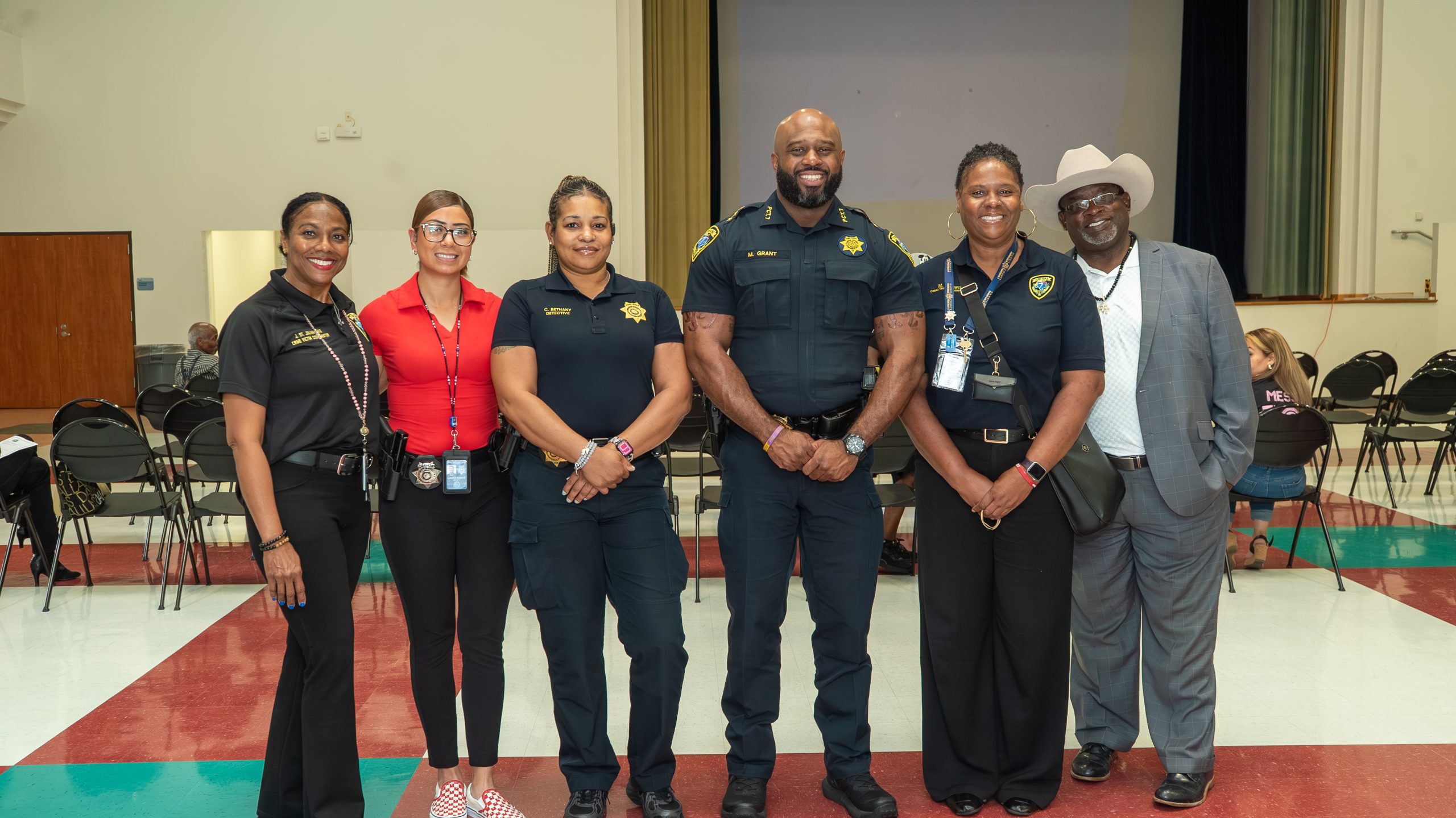
As Houston prepares to host seven matches during the 2026 FIFA World Cup, community leaders, law enforcement officials, survivors, healthcare professionals, and advocacy organizations are sounding an important message: excitement over the world’s largest sporting event must be matched by vigilance against human trafficking. That was the focus of the “Houston on Alert: Human Trafficking Awareness Town Hall,” organized by State Representative Jolanda “Jo” Jones and held in Houston to educate residents about the realities of trafficking and the role the public can play in preventing exploitation.
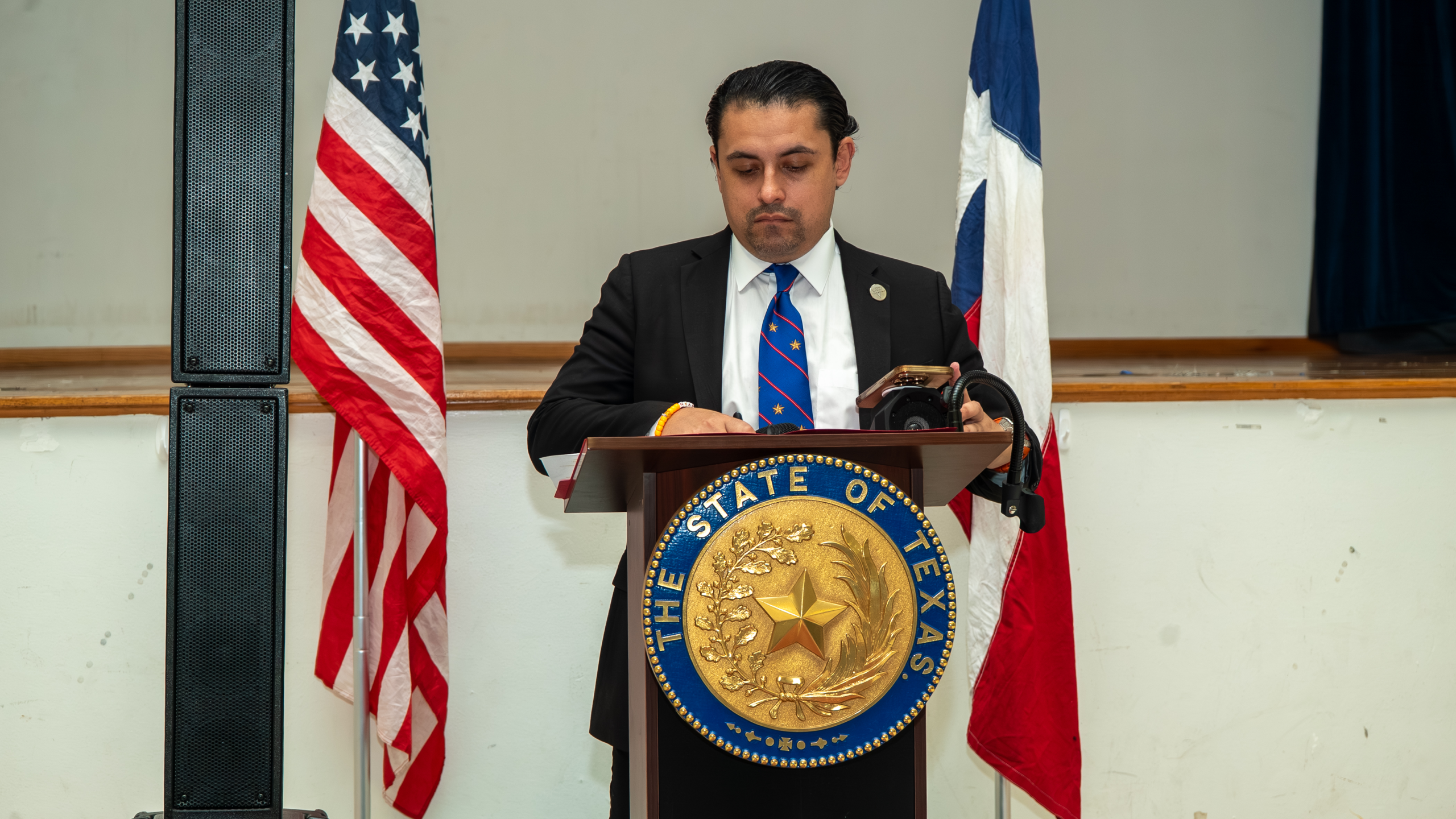
Opening the event, Ivan Sanchez, district director for Rep. Jones, noted that the World Cup will bring enormous attention and economic activity to Houston. He compared the seven matches scheduled for the city to hosting seven Super Bowls. However, he warned that major events can also create opportunities for traffickers to exploit vulnerable individuals. The goal of the town hall, he emphasized, was not to create fear but to educate the public and help save lives through awareness.
A Personal Connection to the Fight
Although Rep. Jones was unable to attend in person because of an emergency, she addressed attendees by phone. Her remarks revealed why the issue is deeply personal to her.
Jones shared that her aunt, a Third Ward resident, was a victim of human trafficking and was ultimately murdered by her trafficker. She reminded attendees that human trafficking is not merely a collection of statistics or news headlines but a tragedy that affects real people, real families, and entire communities. She urged residents to learn the warning signs and become part of the effort to protect vulnerable individuals from exploitation and violence.
Understanding What Human Trafficking Really Looks Like
The evening’s keynote presenter, Maisha Colter, CEO of Aid to Victims of Domestic Abuse, challenged many common misconceptions about trafficking. She explained that trafficking is the exploitation of individuals through force, fraud, or coercion and can involve either commercial sex or labor exploitation.
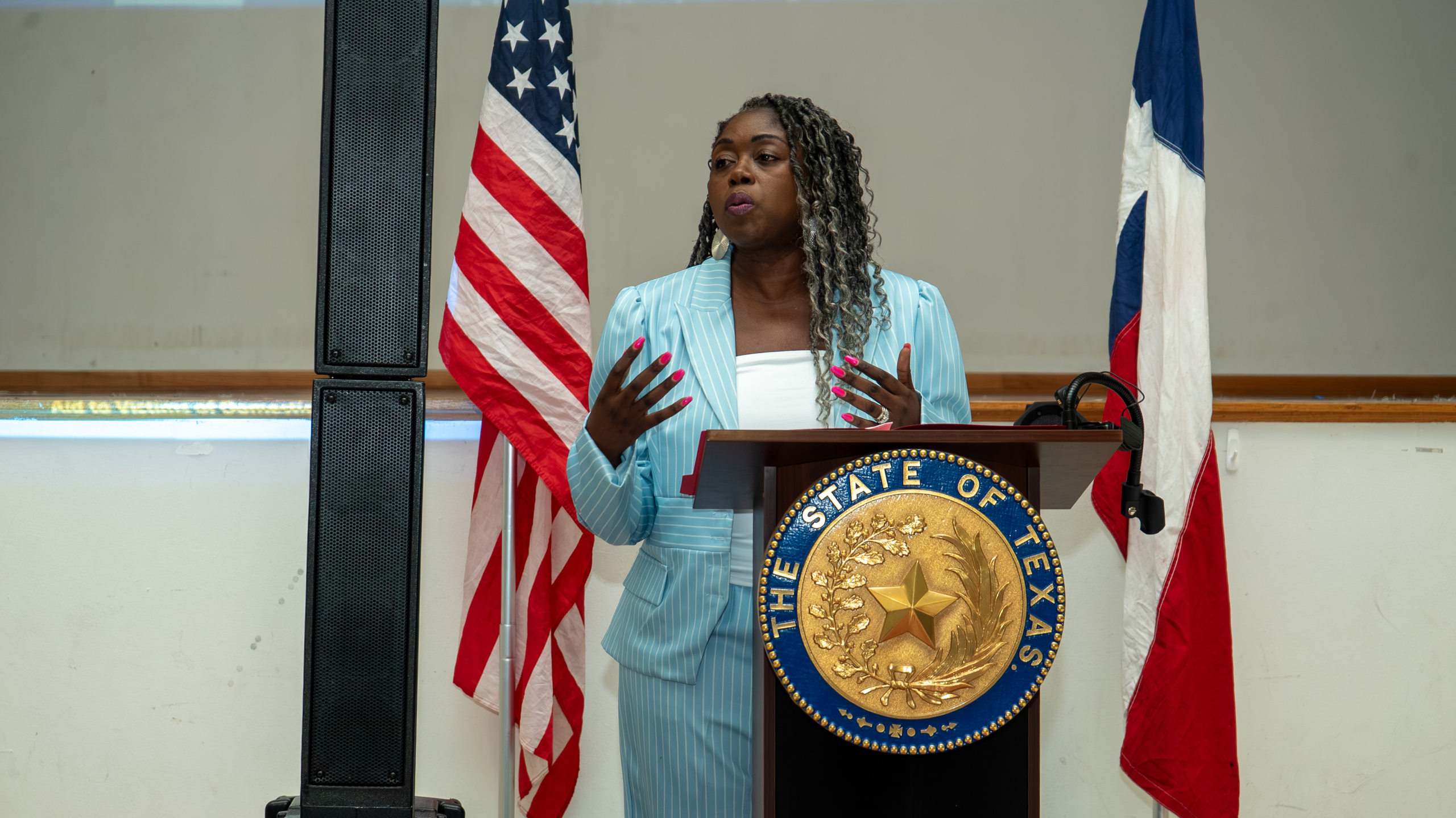
Colter emphasized that many victims are not physically restrained. Instead, traffickers often use psychological manipulation, emotional dependence, financial control, and grooming to keep victims trapped. Contrary to popular portrayals in movies, many trafficking victims know their traffickers personally and may appear to be living normal lives while suffering exploitation behind the scenes.
She described how traffickers frequently recruit victims through romantic relationships, employment offers, family connections, social media platforms, and online gaming communities. Vulnerable populations often include individuals who have experienced domestic violence, homelessness, poverty, foster care involvement, substance abuse, or social isolation.
Colter also highlighted labor trafficking, which receives less attention than sex trafficking but remains widespread. Victims may be promised employment opportunities yet never receive compensation for their work. Industries such as construction, hospitality, agriculture, domestic service, and restaurants can all become environments where labor trafficking occurs.
The World Cup and Increased Risks
Several speakers addressed concerns about the World Cup’s potential impact on trafficking.
Amber McCray of Street Grace explained that while countries participating in the tournament have different laws and cultural attitudes regarding prostitution and exploitation, trafficking remains a global problem. She stressed that laws alone do not protect victims. Effective enforcement, community awareness, and support services are equally important.
McCray urged Houstonians to recognize that trafficking is not a foreign issue that happens elsewhere. It exists within local communities and requires collective action from residents, businesses, service providers, and law enforcement. She called on the city to welcome visitors while making it clear that exploitation of vulnerable individuals will not be tolerated.
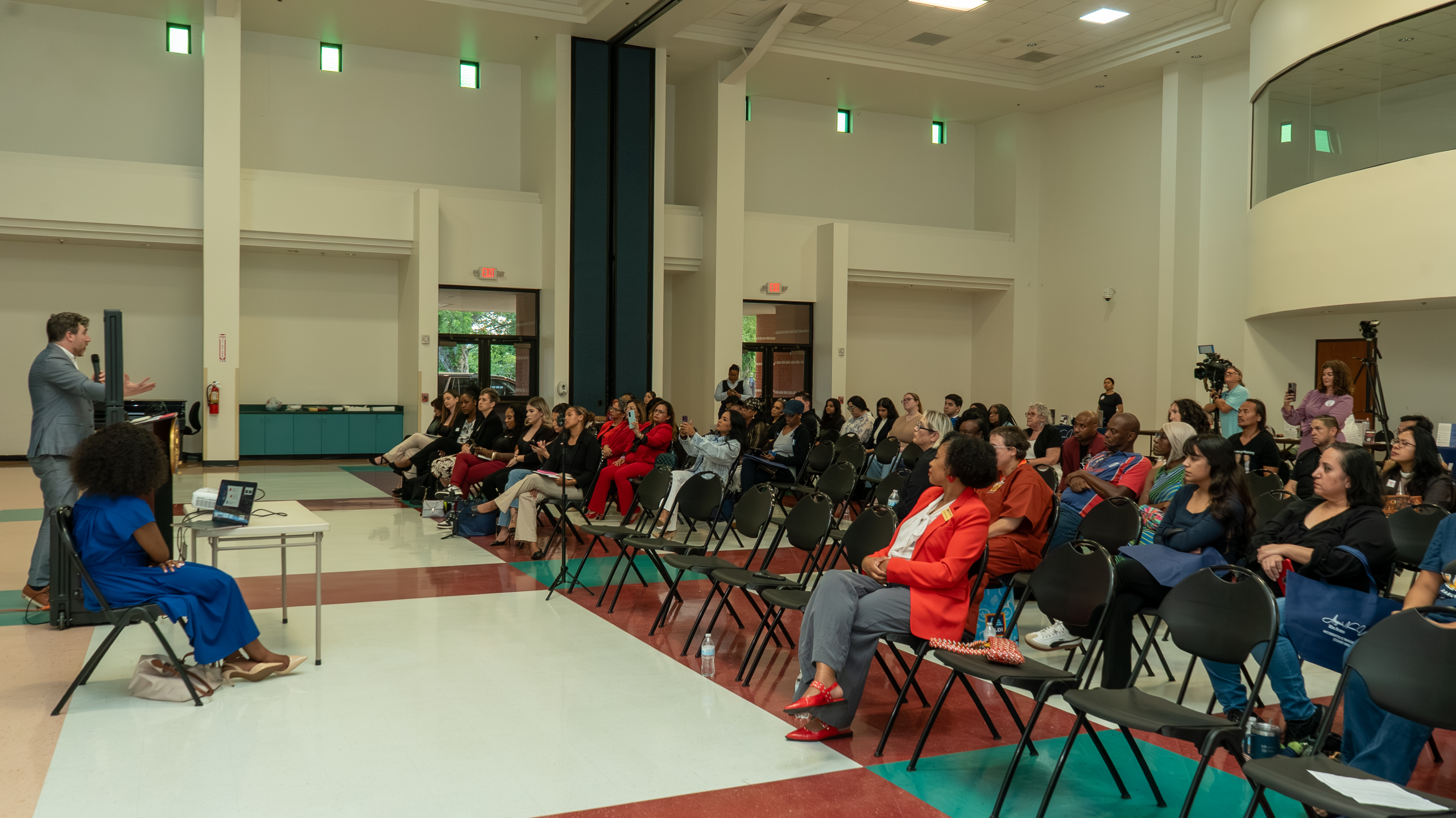
Several speakers noted that large sporting events often attract increased demand for commercial sex and temporary labor, creating opportunities for traffickers to exploit both adults and children. They stressed that the city must be proactive rather than reactive in addressing these risks.
Survivors Speak Out
Among the most powerful moments of the evening were testimonies from survivors.
Dr. Nissi Hamilton, a healthcare professional and survivor of human trafficking, urged attendees not to rely on stereotypes when identifying victims. She explained that trafficking victims come from all backgrounds and appearances. Some may appear well-dressed and successful, while others may appear vulnerable or distressed.
Hamilton encouraged community members to treat survivors with dignity and compassion. She warned against asking accusatory or judgmental questions and stressed the importance of creating environments where survivors feel safe enough to seek help.
Angela Williams, founder of Roadway to Freedom and a longtime advocate for trafficking victims, also shared her experiences. She emphasized that traffickers often operate in plain sight and may be present in churches, public events, and community gatherings. Williams urged the public to remain alert and reminded attendees that trafficking can affect anyone regardless of age, race, income level, or social status.
Another survivor, Angela Williams of Harris County Precinct 7, recounted how she was groomed at age 17 after being offered what seemed like an opportunity to earn money. What began as a simple financial offer eventually led to years of trafficking across the country, including exploitation at major sporting events such as Super Bowls and other large gatherings. Her story served as a sobering reminder of how easily vulnerable individuals can become trapped.
Recognizing the Warning Signs
Law enforcement officials and advocates provided practical guidance for recognizing trafficking.
Among the warning signs discussed were individuals being controlled by others, inability to speak freely, lack of identification, excessive work hours, visible signs of abuse, frequent movement between locations, suspicious hotel activity, and unusual activity at short-term rental properties such as Airbnbs.
Speakers encouraged residents to prioritize their own safety, document suspicious activity when possible, and report concerns to law enforcement or trafficking hotlines. They emphasized the importance of gathering information carefully and avoiding direct confrontation with suspected traffickers.
Building a Long-Term Response
Throughout the evening, speakers repeatedly stressed that Houston’s response must extend beyond the World Cup. Organizations such as United Against Human Trafficking, Elijah Rising, Freedom Collaborative, Street Grace, and numerous law enforcement agencies described efforts already underway to support survivors, educate the public, and strengthen prevention programs.
The message from the town hall was clear. Human trafficking is not inevitable. Through education, collaboration, vigilance, and compassion, communities can identify victims, disrupt trafficking networks, and help survivors rebuild their lives. As Houston prepares to welcome the world in 2026, leaders hope the city will also demonstrate what it means to stand united against exploitation and abuse.