

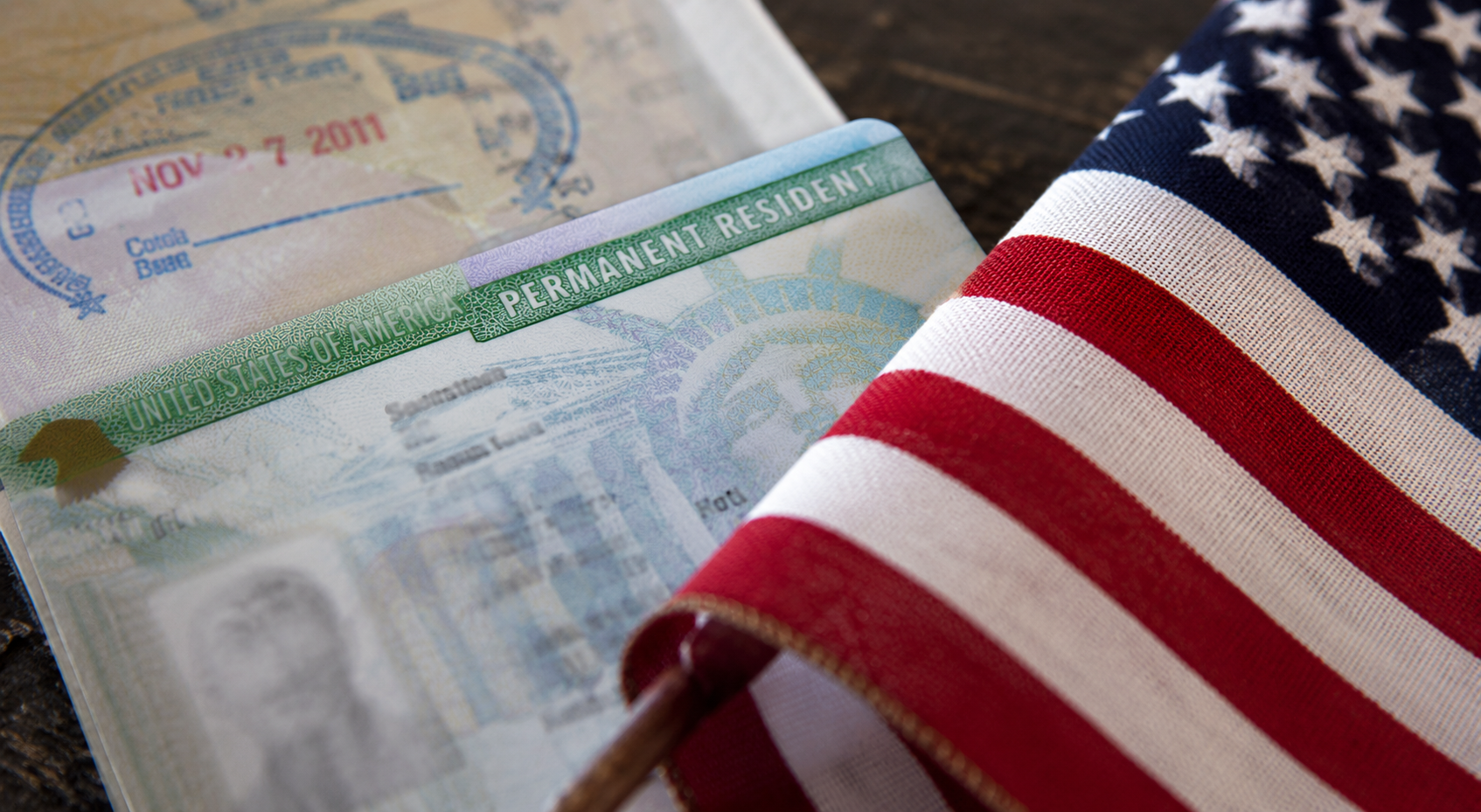
A Policy Change That Has Sparked Widespread Concern
A proposed change to the way green cards are processed has sent waves of anxiety through immigrant communities across the United States, prompting immigration attorneys, policy experts, and business leaders to warn that the measure could separate families, disrupt businesses, and create new barriers for people who have followed legal pathways toward permanent residency. During a recent American Community Media national news briefing, experts examined a U.S. Citizenship and Immigration Services policy memo that could require many applicants seeking permanent residency through adjustment of status to leave the United States and complete their applications in their home countries, rather than remain here while awaiting approval. The panel emphasized that while the proposal is expected to face significant legal challenges, immigrants should understand how the policy could affect them and seek qualified legal guidance before making life-changing decisions.
Legal Experts Question the Memo’s Authority
Jeff Joseph, President of the American Immigration Lawyers Association, argued that the memo attempts to redefine adjustment of status in a way that is inconsistent with long-established immigration law. He explained that adjustment of status has long been a lawful pathway to permanent residence alongside consular processing, not an extraordinary exception. “Adjustment of status is not an extraordinary remedy,” Joseph said, noting that Congress intentionally created it as a legal avenue for eligible immigrants to obtain permanent residency while remaining in the United States. He warned that the memo encourages immigration officers to exercise discretion more negatively, potentially affecting thousands of applicants whose cases would previously have been considered routine. Joseph also believes the policy bypasses the normal federal rulemaking process, making it vulnerable to court challenges. “This government can’t change the law through memo and footnote,” he said, adding that litigation is already being prepared to challenge the proposal.
Families Could Face Difficult Choices
Julia Gelatt, Associate Director of the U.S. Immigration Policy Program at the Migration Policy Institute, explained that the greatest impact may be felt by families seeking permanent residence through marriage or close family relationships. Every year, hundreds of thousands of immigrants obtain green cards through spouses, parents, or children who are U.S. citizens. Under the proposed policy, immigration officers could require many of these applicants to leave the United States and complete their processing abroad, even after they have established lives, careers, and families here. Gelatt warned that what appears to be a simple procedural change could produce serious consequences. “If there are delays, people could get stuck outside of the U.S. for months,” she said. Such delays could jeopardize employment, increase financial hardship, and force prolonged separation from spouses and children. She also noted that applicants outside the country have fewer legal options to challenge visa denials than applicants whose cases remain inside the United States.
International Students Face New Uncertainty
One of the briefing’s most relevant discussions for immigrant communities centered on international students. Pamela Anchang of The Immigrant Magazine asked how students who spend years studying in the United States, later marry U.S. citizens, or receive employment opportunities could be affected if they are required to return home before completing the immigration process. Gelatt acknowledged that the proposed memo appears to suggest exactly that because student visas are issued with the expectation that recipients intend to return to their home countries after completing their studies. However, she pointed out that life circumstances often change. “Our immigration system has recognized that people’s plans do change over time,” Gelatt said, emphasizing that the proposal would likely become one of the major issues examined in future litigation. Joseph added that applicants should be especially careful because allegations of fraud or misrepresentation can permanently damage an immigration case, making experienced legal representation more important than ever.
Employers and the Economy Could Also Feel the Impact
Xiao Wang, Co-founder and CEO of Boundless Immigration, focused on the broader economic consequences. He noted that adjustment of status has been the standard legal pathway for many employment-based immigrants for decades and argued that introducing uncertainty into that process could discourage highly skilled professionals from choosing the United States. Engineers, physicians, nurses, researchers, entrepreneurs, and technology professionals often spend years progressing through legal visa categories before becoming eligible for permanent residence. According to Wang, changing the rules midway through that journey creates uncertainty for both workers and employers. “Companies, individuals, students, immigrants have built an entire life of a multi-decade plan around a process,” Wang said. He warned that businesses investing significant time and resources into recruiting international talent could reconsider those investments if employees are forced to leave the country without a predictable timeline for returning.
Waiting for the Courts and Seeking Wise Counsel
Despite the uncertainty surrounding the memo, the panel repeatedly urged immigrants not to panic. Joseph encouraged applicants to continue pursuing legitimate cases while preparing for legal challenges that are expected to test whether the government exceeded its authority. Gelatt advised immigrants to carefully evaluate their individual situations with qualified immigration attorneys before making decisions that could trigger lengthy bars on reentry or affect their legal status. Wang added that immigration reform should ultimately come through Congress rather than through administrative memoranda issued without public input or notice.
For many immigrant families, including thousands within Houston’s African and faith communities, the proposed policy represents more than an administrative change. It raises questions about family unity, educational opportunities, employment, and the future of lawful immigration in America. While the courts will likely determine the memo’s legal fate, the experts agreed on one important message. Immigrants should stay informed, avoid making decisions based on fear or rumors, and seek reliable legal advice before taking any action that could permanently affect their future