

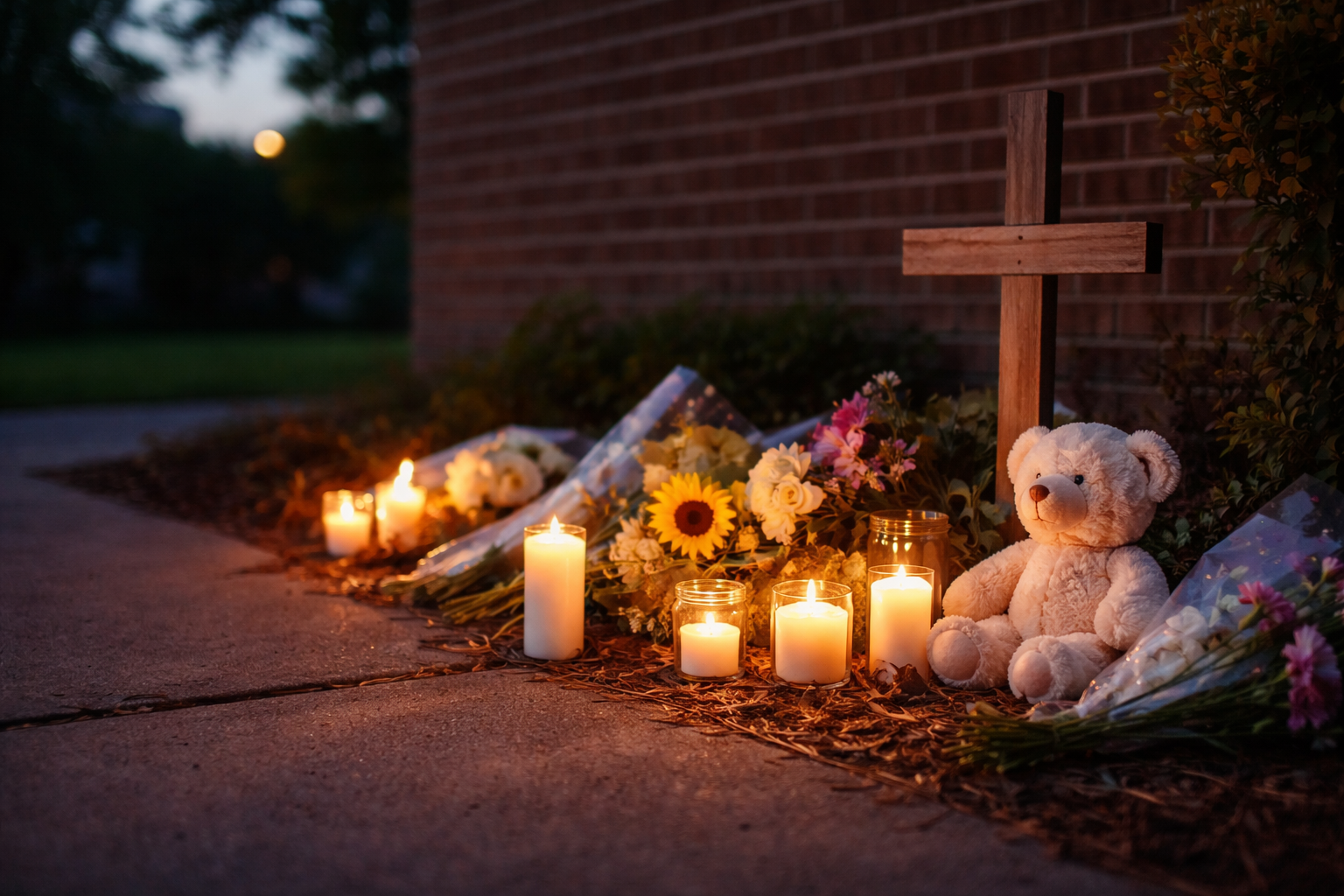
A Community in Mourning
The heartbreaking killing of children in Shreveport, Louisiana, has sent shockwaves across the nation, leaving families, churches, and communities grappling with grief that words can scarcely capture. The loss of young lives carries a unique weight, one that shakes the moral and spiritual foundation of any society. For many, the immediate question is not only how such a tragedy could occur, but also where to turn in the aftermath of such pain. In moments like this, faith communities are often called upon to provide both comfort and clarity, reminding believers that even in the darkest valleys, God remains present. Scripture tells us in Psalm 34:18 that the Lord is close to the brokenhearted and saves those who are crushed in spirit, a promise that resonates deeply as Shreveport mourns.
The Spiritual Weight of Violence Against the Innocent
The taking of innocent lives, especially children, is one of the most profound moral crises a community can face. Jesus Himself spoke clearly about the value of children, saying in Matthew 19:14, “Let the little children come to me, and do not hinder them, for the kingdom of heaven belongs to such as these.” These words remind believers that children are not only precious in the eyes of their families, but sacred in the sight of God. When such lives are lost, it is not only a legal or social issue, but a spiritual wound that demands a response grounded in truth, compassion, and repentance.
Faith calls believers to confront evil without becoming consumed by it. Romans 12:21 teaches, “Do not be overcome by evil, but overcome evil with good.” This does not mean ignoring justice or accountability, but rather refusing to allow violence to define the future of a community. Instead, it calls for a deliberate and collective effort to rebuild, to restore, and to protect what remains.
Where Is God in Times Like These
In the face of tragedy, one of the most common questions is where God is when such suffering occurs. The Christian faith does not deny the reality of evil in the world, but it affirms that God walks with humanity through it. The cross itself stands as a symbol that God is not distant from pain but intimately acquainted with it. Isaiah 41:10 offers reassurance, saying, “Fear not, for I am with you; be not dismayed, for I am your God.”
For grieving families and communities, this truth becomes a source of strength. While answers may not come easily, faith provides a framework for endurance. It encourages believers to lean on prayer, to seek counsel within the church, and to find refuge in God’s promises. In times of deep sorrow, the presence of God is often experienced through the compassion and support of others.
The Role of the Church and Community
Moments like this reveal the essential role of the church beyond Sunday services. Churches are called to be places of refuge, healing, and action. This means opening doors to grieving families, providing counseling resources, and creating safe spaces for community dialogue. It also means addressing the deeper issues that contribute to violence, including broken relationships, lack of support systems, and spiritual disconnection.
Faith leaders have a responsibility to speak both comfort and truth. Comfort for those who mourn, and truth that challenges communities to examine how they can prevent future tragedies. This may involve mentoring youth, supporting struggling families, and partnering with local organizations that work toward violence prevention and mental health awareness.
A Call to Action for Readers
While it is easy to feel powerless in the face of such devastating news, faith teaches that every individual has a role to play. The response to tragedy should not end with sorrow alone. It must lead to action rooted in love and responsibility. Readers are encouraged to begin with prayer, lifting up the families affected and asking God for healing and peace. Prayer is not passive, but a powerful first step that aligns the heart with God’s will.
Beyond prayer, consider becoming actively involved in your local community. Support youth programs that provide guidance and mentorship. Volunteer with organizations that focus on family stability and child welfare. If you are part of a church, advocate for initiatives that address violence prevention and community outreach. Small, consistent efforts can create meaningful change over time.
It is also important to check on those around you. Sometimes the signs of distress are not obvious, and a simple conversation can make a difference. Being present, listening without judgment, and offering encouragement are practical ways to reflect Christ’s love in everyday life.
Finally, use your voice responsibly. Speak out against violence, promote unity, and encourage solutions that bring healing rather than division. Communities are strengthened when individuals choose to act with purpose and compassion.
Holding on to Hope
Even in the midst of tragedy, the Christian faith is anchored in hope. This hope is not based on circumstances, but on the unchanging nature of God. Revelation 21:4 offers a vision of a future in which God will wipe away every tear, and there will be no more death, mourning, crying, or pain. While that promise points to eternity, it also inspires believers to work toward a world that reflects God’s love here and now.
The tragedy in Shreveport is a sobering reminder of the brokenness that exists in the world, but it is also a call for the church and the broader community to rise with renewed purpose. Through faith, action, and unity, there remains a path forward, one that honors the lives lost by striving to protect and uplift those still among us.