

For many people facing a sudden crisis, the hardest part is knowing where to turn. When rent is due, the lights are about to be shut off, or a family member is struggling with mental health, the maze of agencies and programs can feel overwhelming.
That is where 211 comes in.
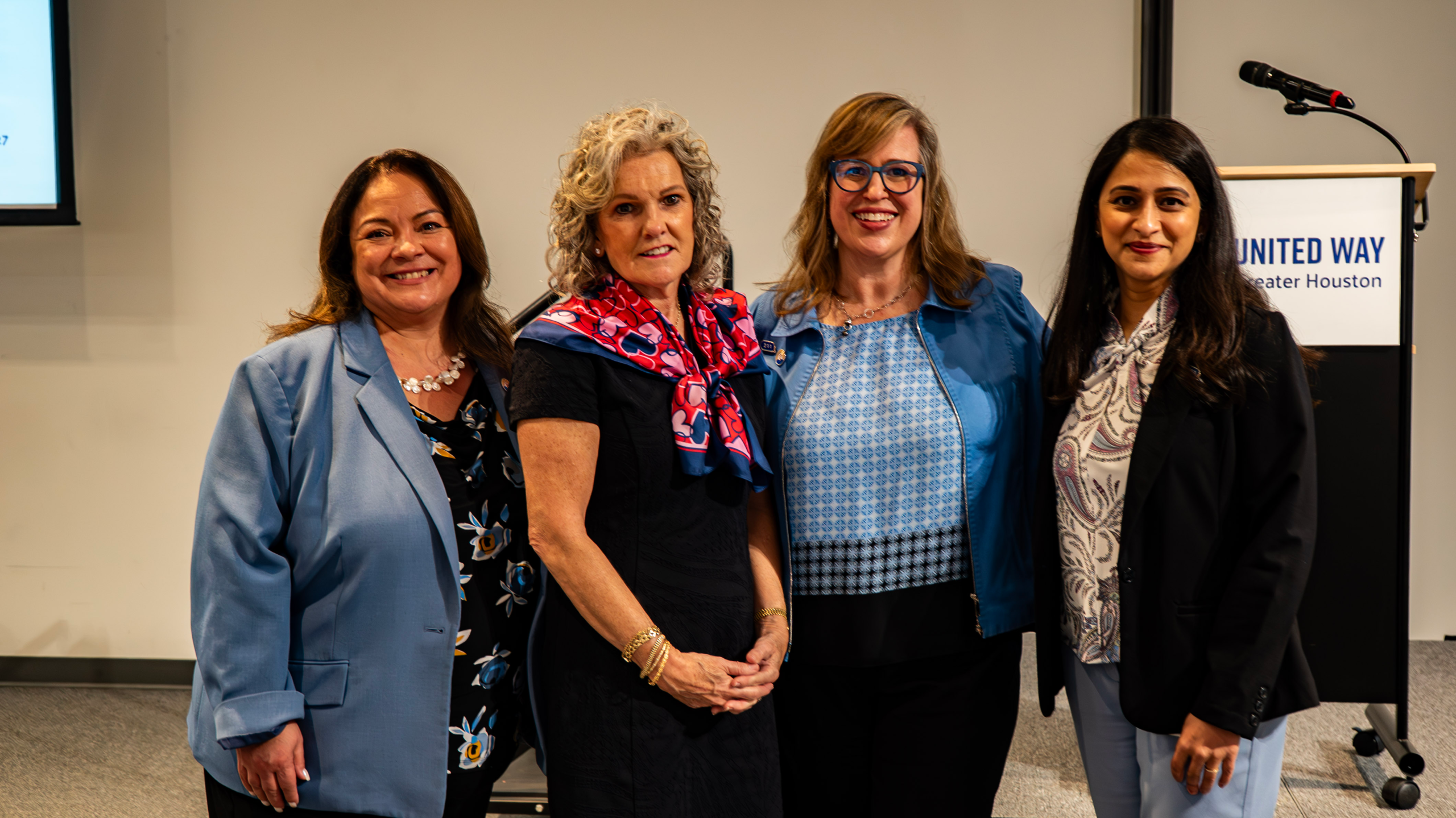
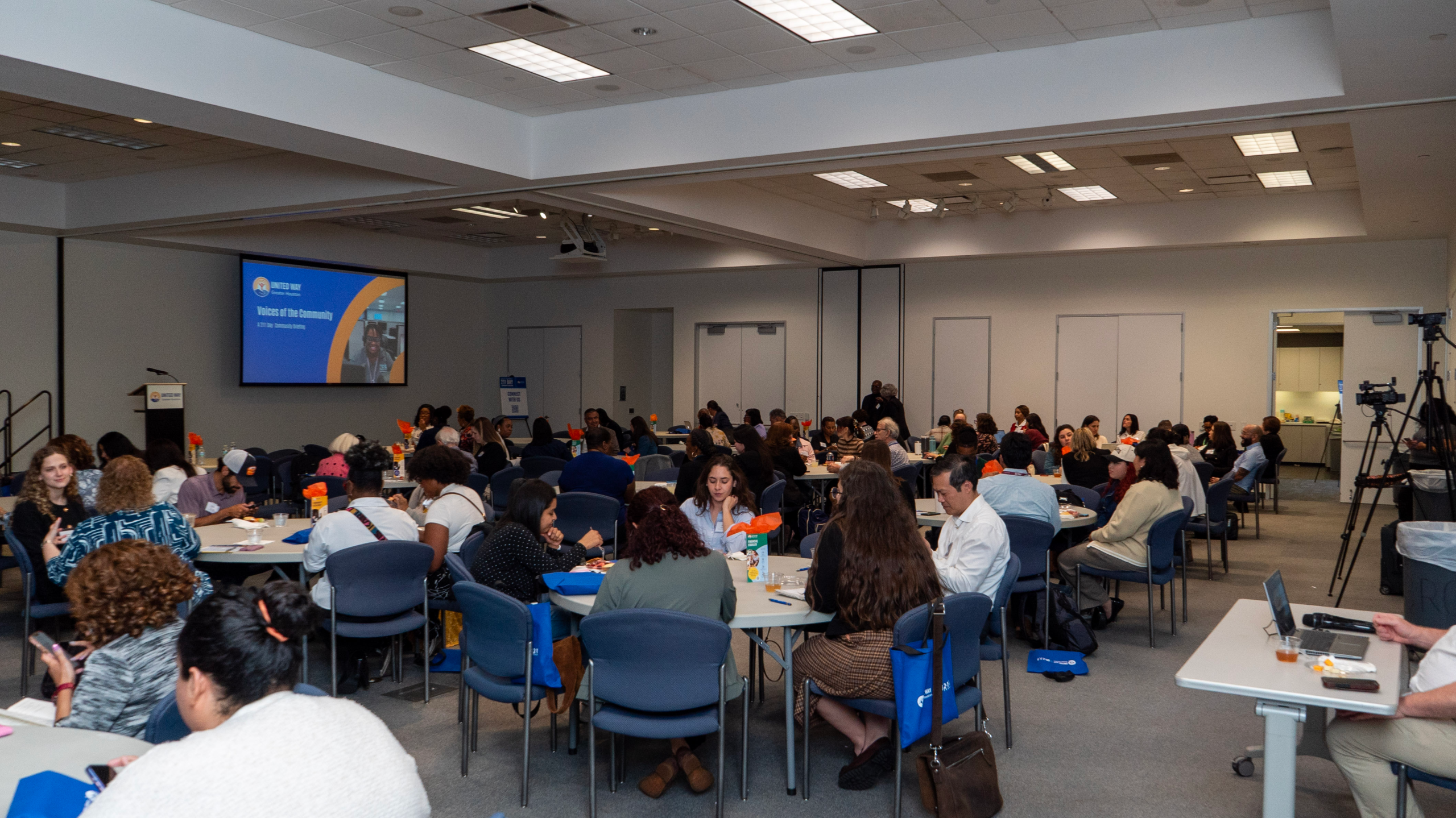
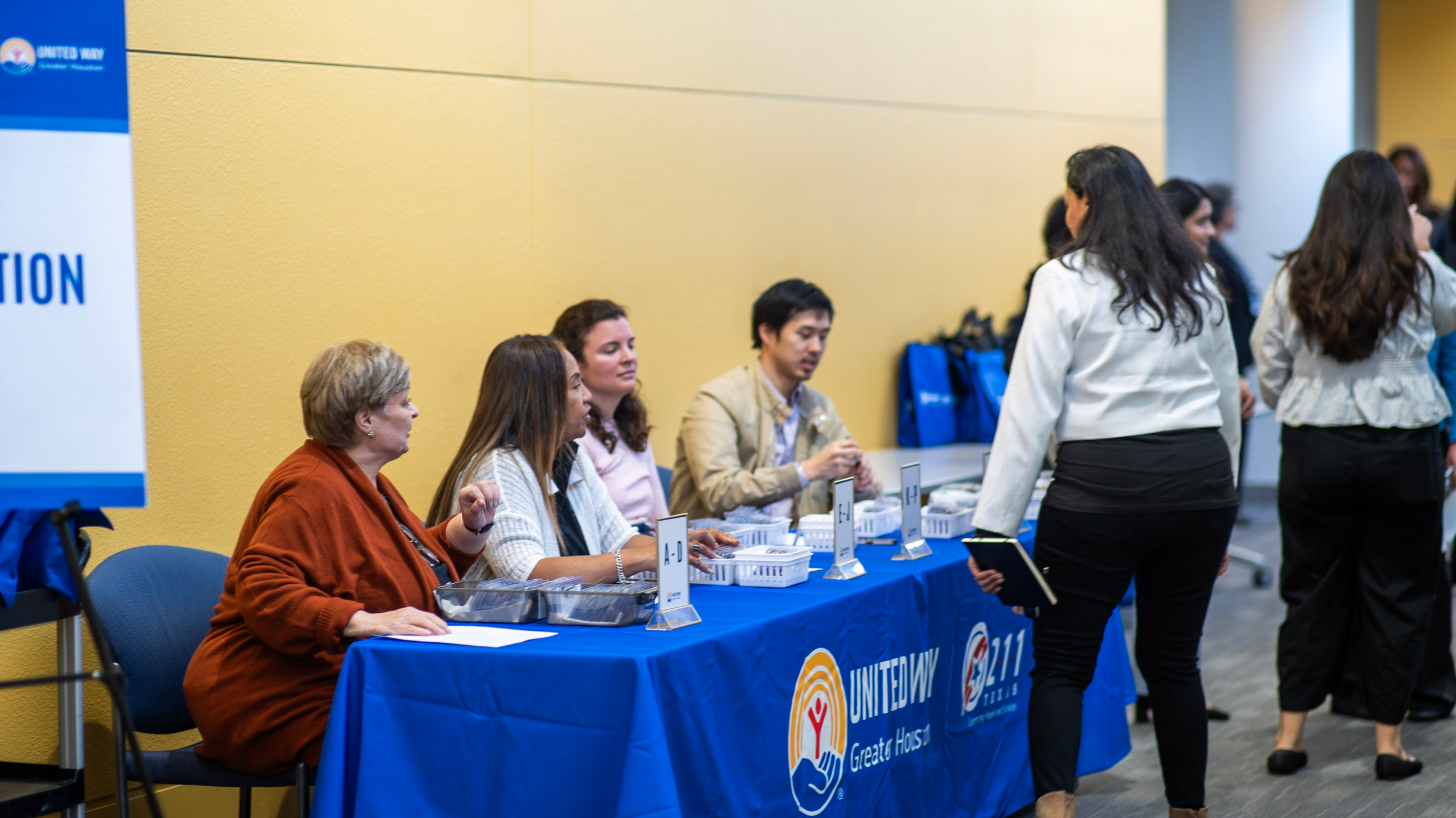
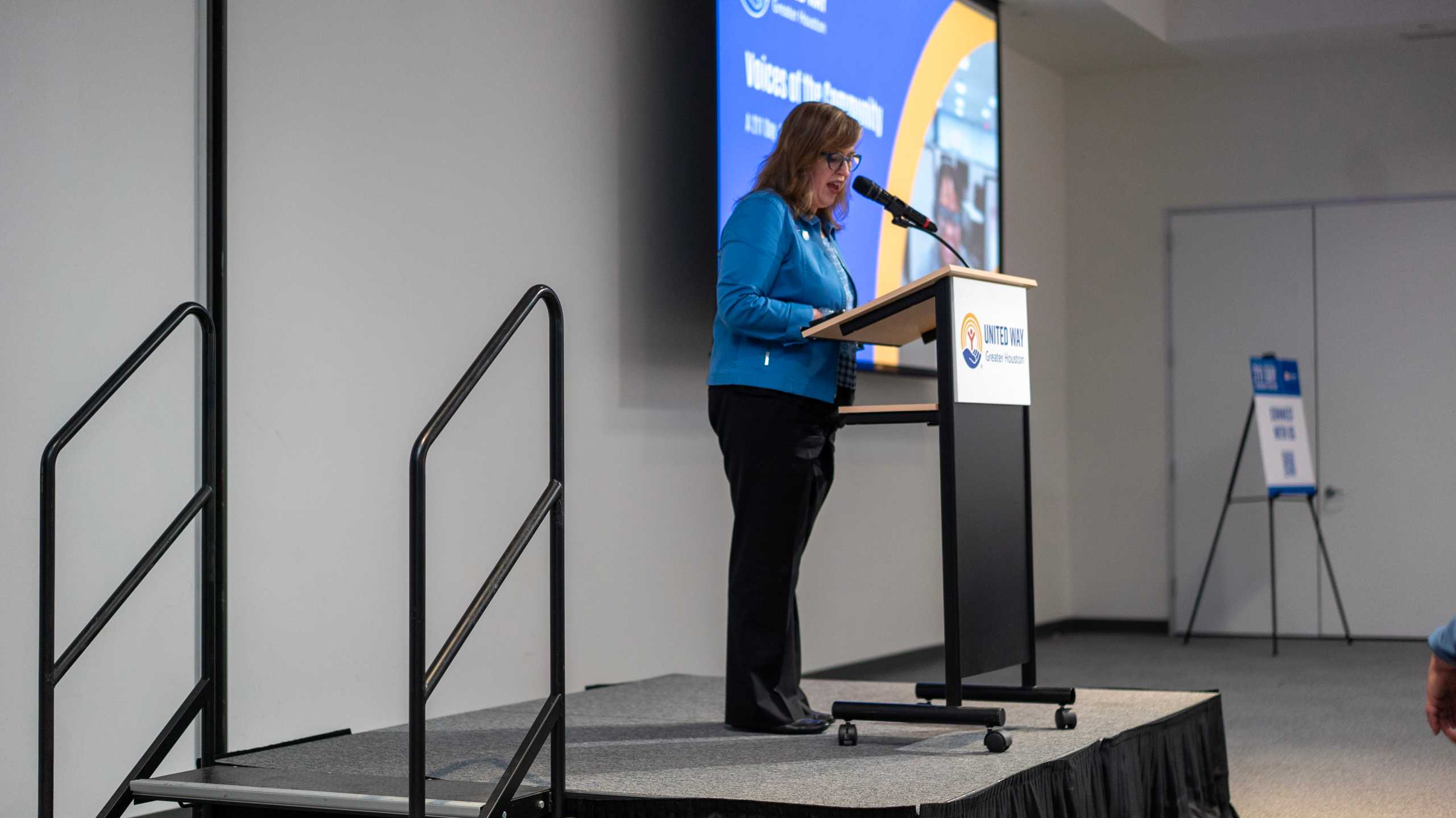
At a recent Houston Community Media briefing hosted by the United Way of Greater Houston, community leaders and nonprofit advocates highlighted the powerful role that the 211 helpline plays in connecting people with critical services across the region. The event provided a rare look behind the scenes of one of the most important yet least understood social support systems serving millions of Texans.
United Way President and CEO Amanda McMillian described the helpline as a vital bridge between struggling families and the resources designed to help them.
“211 is a free confidential helpline available 24 hours a day, 365 days a year connecting individuals and families to health and human service resources,” she explained. “For many, it is a lifeline during their most challenging moments.”
A First Point of Contact for Help
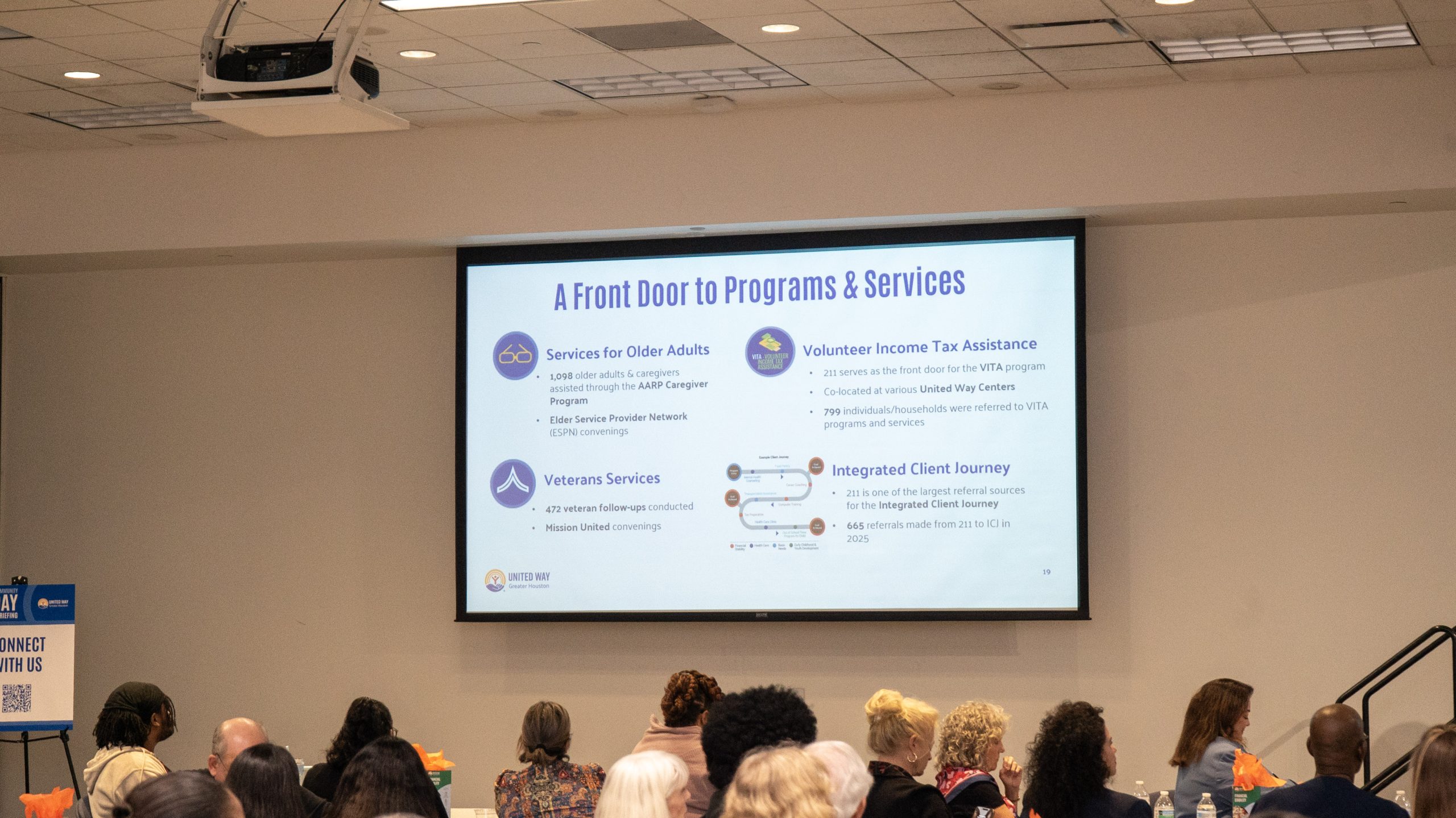
The 211 system serves as what many speakers described as the “front door” to social services. When someone does not know where to turn for help, trained specialists listen to their situation and connect them to the most appropriate resources.
Calls range from housing crises to medical care, food assistance, transportation needs, and mental health support. What makes the service unique is that it combines compassion with a sophisticated database of community programs.
McMillian noted that the Houston 211 center is one of the largest in the country and plays a major role within the statewide network.
Since becoming part of the Texas 211 system in 2002, the helpline has made more than 21 million connections to services. In 2025 alone, more than 1.2 million people were connected to critical programs and assistance.
The system now covers 33 counties and provides support in more than 350 languages through translation services.
Hearing the Voices Behind the Numbers
During the briefing, attendees listened to an actual call from a senior citizen facing eviction and financial hardship. The recording revealed the emotional intensity that often accompanies these conversations.
The caller, who was struggling to pay rent, spoke through tears about her fear of losing her home. The 211 specialist responded calmly, asking questions and guiding her through available resources such as emergency assistance programs and protective services.
McMillian said these moments highlight the true value of the helpline.
“Sometimes when you call 211 you are at the end of your rope,” she said. “That is why we are here. We are here to provide help and hope.”
For many callers, simply speaking to someone who listens with empathy can make the difference between despair and a path forward.
Data That Tells the Story of Community Need
Beyond helping individuals, 211 also serves as an important tool for understanding broader social trends.
Mary Vasquez, Vice President of Community Outreach at United Way of Greater Houston, explained that the system collects real time data about community needs. This information helps nonprofit organizations and policymakers identify emerging problems and allocate resources more effectively.
“In 2025 our center connected 1.2 million individuals to health and human services,” she said. “Each of those calls represents one of our neighbors seeking help.”
The data reveals several pressing challenges across the Houston region. The top needs reported by callers include utility assistance, rent and mortgage help, food programs, housing services, and medical care.
Housing insecurity remains one of the most serious concerns. In some counties, nearly half of callers are seeking assistance related to rent, mortgage payments, or homelessness prevention.
These trends help community organizations understand where support systems may be failing and where additional investment is needed.
A Network of Partnerships
Speakers emphasized that 211 does not work alone. Its effectiveness depends on partnerships with hundreds of nonprofit organizations, government agencies, and service providers.
Through these collaborations, callers are connected to a wide range of programs including food banks, rental assistance funds, medical providers, and job training initiatives.
Assistant Vice President of 211 Aarti Goswami explained that the system also helps connect residents to specialized programs such as tax preparation assistance, transportation services, and veteran support programs.
For example, partnerships have helped refer thousands of individuals to food assistance, connect households with millions of dollars in rental aid, and provide transportation for people who need help getting to medical appointments or job interviews.
“Every single call represents a person seeking help,” Goswami said. “The data we collect tells an important story about the needs in our community.”
A Tool for Community Planning
Another major development announced during the briefing was the launch of several new data dashboards that allow community leaders to track trends in real time.
These tools analyze information from thousands of calls to identify patterns related to food insecurity, disaster response, housing needs, and policy changes.
For example, the dashboards can reveal how demand for services changes during natural disasters or after changes in government benefits programs.
This information allows agencies to respond faster and helps policymakers understand how legislation affects real people on the ground.
A Simple Number With a Powerful Impact
Despite its importance, many people remain unaware that the service exists.
Community leaders at the briefing stressed that increasing awareness of 211 could dramatically improve access to help for vulnerable residents.
Houston City Councilmember Twila Carter reflected on her own childhood experiences growing up in poverty and the difference that access to resources could make.
“We have to recognize the need in our neighbors and reach down with our two hands to help them with their two hands get up,” she said. “Not a handout, but a hand up.”
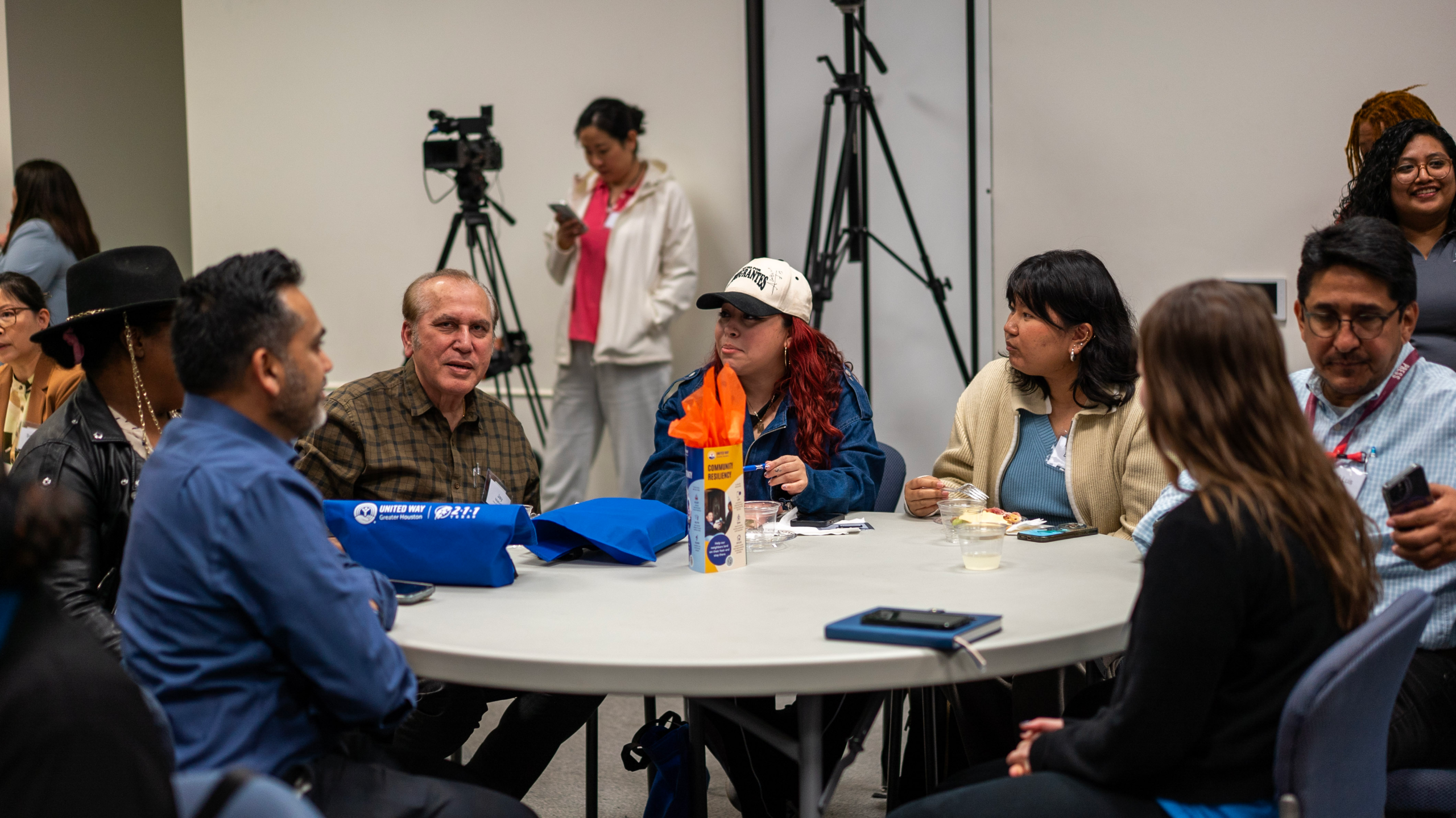
Her message echoed a broader theme of the event: the idea that strong communities depend on systems that ensure no one has to face hardship alone.
For thousands of families across Houston and Texas, dialing three simple numbers can open the door to the help they need.
And for many, that call can be the first step toward stability and hope.