

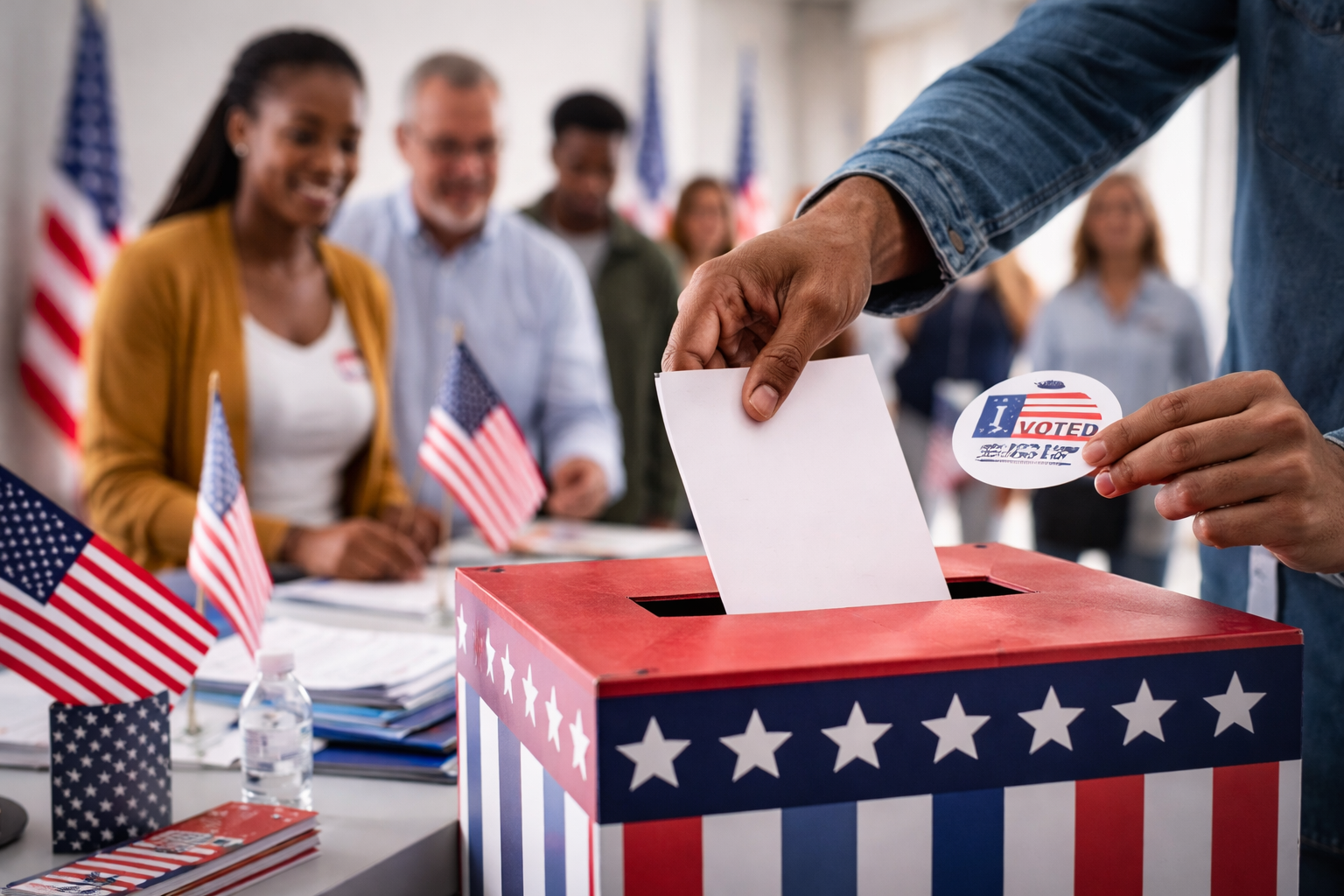
As the next round of primaries and midterm elections approaches, voters across Texas are being urged to learn the rules, deadlines, and procedures that shape the electoral process. At a recent Houston Community Media briefing titled Reporting on the Primaries and Midterms: What Audiences Need to Know, election experts explained how journalists and community leaders can help the public navigate a voting system that many people find confusing.
The session brought together media representatives from across Houston’s diverse communities, along with election protection experts from the Texas Civil Rights Project. Their goal was simple but important: ensure that voters receive accurate information so they can participate confidently in the democratic process.
Why Election Education Matters
Opening the discussion, organizers emphasized that confusion about voting rules can discourage participation. Many immigrant communities, speakers said, face language barriers or misunderstand how voting laws affect them.
During the discussion, participants shared concerns about fear and misinformation that circulate in some communities.
“Many communities believe polling places might be traps or places where information will be taken from them,” one participant noted. “We need to educate them that voting is how their voice creates change.”
Speakers emphasized that community journalists play a critical role in correcting misinformation and explaining election procedures clearly to their audiences.
Basic Eligibility to Vote
One of the first issues discussed was the basic question many voters still ask: Who is eligible to vote in Texas?
Carl Blair, senior election protection attorney with the Texas Civil Rights Project, explained that several basic requirements apply. Voters must be United States citizens, be at least 18 years old on Election Day, be registered to vote, and not currently serving a sentence for a felony conviction.
Blair told attendees that the complexity of election law often discourages voter participation.
“Election laws are very confusing and very complicated,” he said. “Let’s try to demystify some of those today.”
Providing clear explanations of these rules, speakers said, is essential to ensuring that eligible voters are not discouraged from voting.
Important Election Dates
The briefing also reviewed key dates leading up to the March primary election.
The last day to register to vote was February 2. Early voting began on February 17 and continues through February 27. Election Day is scheduled for March 3.
These timelines matter because many voters mistakenly assume they can register shortly before an election. Missing the registration deadline means waiting until the next election cycle.
Speakers encouraged journalists to repeat these deadlines frequently in their reporting so that communities remain informed.
Understanding Voter Identification Rules
Texas has some of the strictest voter identification requirements in the country, another area that often confuses voters.
Blair explained that only a limited set of photo IDs is accepted when voting. These include a Texas driver’s license, a United States passport, a military identification card, or certain other government-issued identification.
However, voters should know that the address on the ID does not have to match their voter registration address exactly.
“Showing a photo ID establishes who the voter is,” Blair said. “It is not meant to confirm where they live.”
He also explained that minor differences between the name on a voter registration record and the name on an identification card usually do not prevent someone from voting.
Voting by Mail
Another topic that generated many questions was voting by mail.
Texas law allows mail ballots only for certain groups of voters. These include people who will be outside their county during early voting and on Election Day, voters with illnesses or disabilities that prevent them from voting in person safely, people aged 65 or older, and some individuals in jail who remain legally eligible to vote.
Blair noted that election workers cannot challenge a voter’s statement that they have a disability.
“If a voter says they have a disability that prevents them from voting in person, election workers cannot question that,” he said.
Speakers also explained that Texas voters can now track the status of their mail ballots through an online ballot-tracking system that lets them check whether their application has been received or if corrections are needed.
Where Voters Can Find Help
Another important part of the briefing focused on resources available to voters who have questions or encounter problems while voting.
Election protection hotlines are available in several languages to help voters understand their rights and resolve issues that may arise at polling locations. These services are staffed by trained volunteers and legal experts who can provide guidance if a voter experiences difficulty at the polls.
Blair explained that voters should not hesitate to seek assistance if they encounter confusion or challenges.
“If voters have problems or questions about their ballot or the voting process, they can contact an election protection hotline and speak with someone who can help them immediately,” he said.
Organizations such as the League of Women Voters also provide nonpartisan voter education materials that help residents understand candidates, ballot measures, and the voting process.
Local county election offices are another important source of reliable information, particularly for checking voter registration status, polling locations, and voting hours.
Assistance and Accessibility
The briefing also highlighted the importance of accessibility at polling locations.
Voters who need assistance because of disability, language barriers, or difficulty reading ballots may bring someone with them to help. That helper can accompany the voter into the voting booth if necessary.
Polling places must also provide accessible voting machines and accommodations for voters with mobility challenges.
In some situations, voters who cannot easily enter the polling location can request curbside voting, which allows them to cast their ballot from outside the building.
The Role of Community Media
Throughout the briefing, speakers emphasized that ethnic and community media outlets are uniquely positioned to explain election procedures to audiences that may not receive detailed coverage from mainstream outlets.
Journalists who work directly with immigrant and minority communities often serve as trusted sources of information.
By explaining deadlines, voting rights, and election procedures, community media can help reduce fear and confusion around the voting process.
The goal, speakers said, is not to influence how people vote but to ensure that every eligible voter understands how to participate.
A Responsibility to Participate
The briefing ended with a reminder that informed participation is one of the foundations of democracy.
Voting experts urged journalists to continue educating their audiences about their rights and responsibilities as citizens.
For communities that have historically faced barriers to voting, accurate information can make the difference between staying home and voting.
As the upcoming elections draw closer, organizers hope that community leaders and journalists will continue to share clear, reliable information so that every voter who wishes to participate has the knowledge needed to do so.