

Texas Welcomes New Tool Against Screwworm Threat
Texas Agriculture Commissioner Sid Miller is welcoming a new federal authorization that could help livestock producers and veterinarians better protect animals from one of the most destructive parasites known to the livestock industry, the New World screwworm. The U.S. Food and Drug Administration recently issued an Emergency Use Authorization for F10 Antiseptic Wound Spray with Insecticide, a topical treatment designed to help prevent and treat infestations caused by the parasite. The authorization allows the product to be used on a wide range of animals, including cattle, horses, sheep, goats, deer, raptors, and other wild birds, as well as captive wild and exotic mammals. Federal officials determined that available scientific evidence suggests the product may be effective in preventing and treating screwworm infestations and that its potential benefits outweigh the risks when used as directed.
Commissioner Miller praised the move in a statement from Austin, describing it as the type of proactive response Texas agriculture officials have been encouraging from federal partners as they prepare for potential threats to livestock and wildlife. “This is exactly the kind of proactive action we need from our federal partners as we continue to respond to the New World screwworm threat,” Miller said. “This is one of the most destructive parasites livestock producers can face. If it ever gains a foothold in the United States again, the economic damage to Texas ranchers and our food supply could be enormous, so we need the entire toolbox ready to protect against it.”
Understanding the Threat
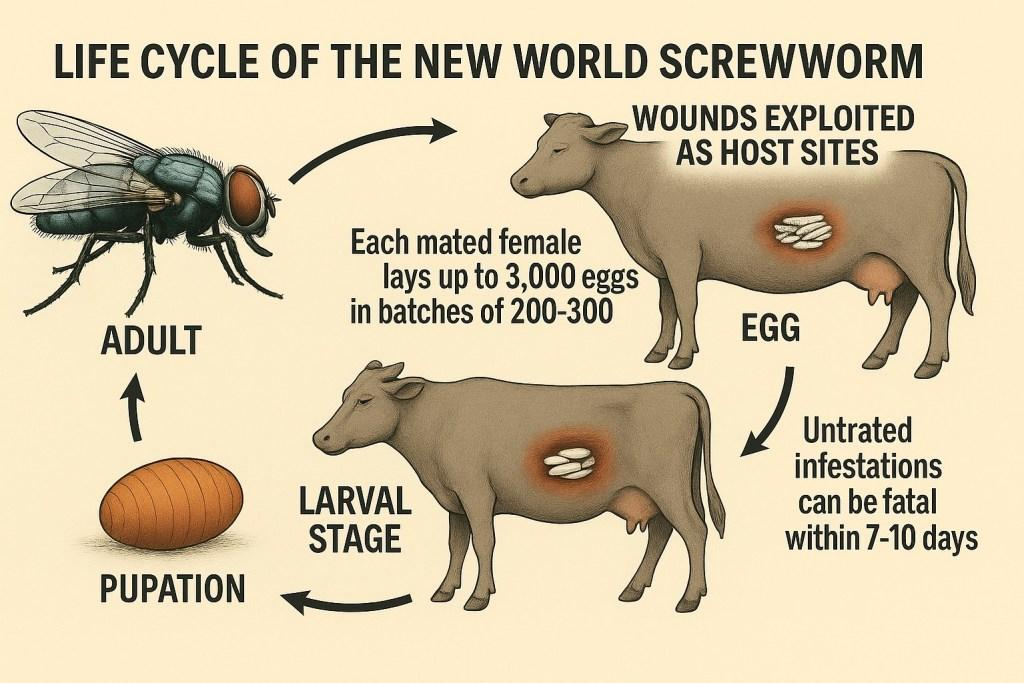
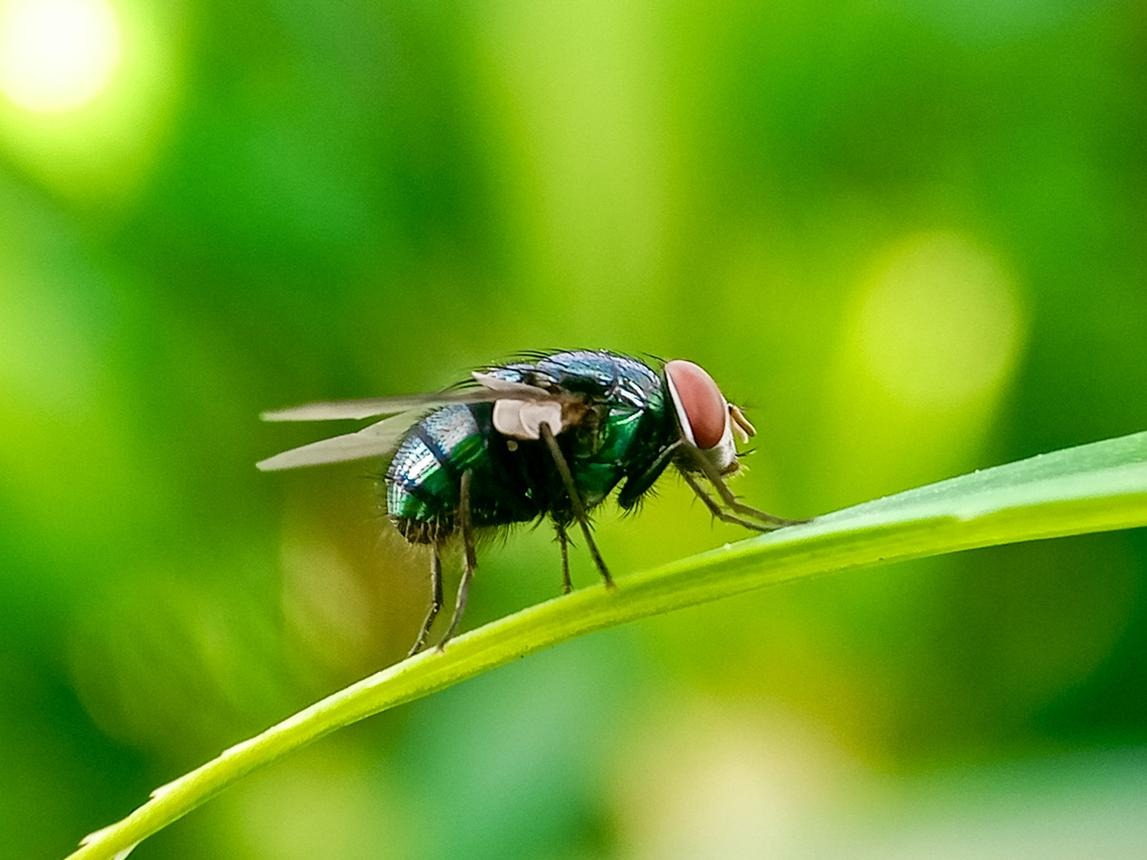
The New World screwworm is not a typical parasite. Unlike most fly larvae that feed on dead tissue, screwworm larvae attack living flesh. Female flies deposit eggs in open wounds or natural openings of warm-blooded animals. After the eggs hatch, the larvae burrow deeper into the tissue while feeding, which can quickly cause severe infections, tissue destruction, and sometimes death if the infestation is not treated promptly. Livestock such as cattle, sheep, goats, and horses are particularly vulnerable, but wildlife, pets, and even humans can also be affected in rare cases.
Because of the devastating impact the parasite can have on agriculture, the United States launched a massive eradication campaign in the mid twentieth century. Scientists used a method known as the sterile insect technique, releasing millions of sterilized male flies into affected regions. When these sterile males mated with wild females, the eggs did not hatch, gradually collapsing the parasite population. By 1966, the screwworm had been eliminated from the United States, marking one of the most successful pest eradication efforts in modern agricultural history.
Why Texas Remains Vigilant
Even though the parasite is not currently established in the United States, agriculture officials continue to monitor the situation closely. Texas has one of the largest livestock industries in the country and sits geographically closer to regions where screwworm infestations have historically occurred. With millions of cattle and large populations of sheep, goats, and horses across the state, even a limited outbreak could have serious consequences for ranchers and the broader food supply chain.
Commissioner Miller emphasized that Texas ranchers understand the danger of the parasite and the importance of remaining prepared. State officials have consistently pushed for strong surveillance programs, rapid reporting of suspicious cases, and the development of additional treatment options. The goal, Miller said, is to make sure that both livestock producers and veterinarians have the resources they need to respond quickly if a potential infestation is detected.
“Texas ranchers know this threat well. We fought hard to eradicate screwworm once, and we are not about to let our guard down now,” Miller said. “Our goal is simple. Protecting livestock protects our food supply, our rural economy, and our national security.”
Strengthening Prevention and Response
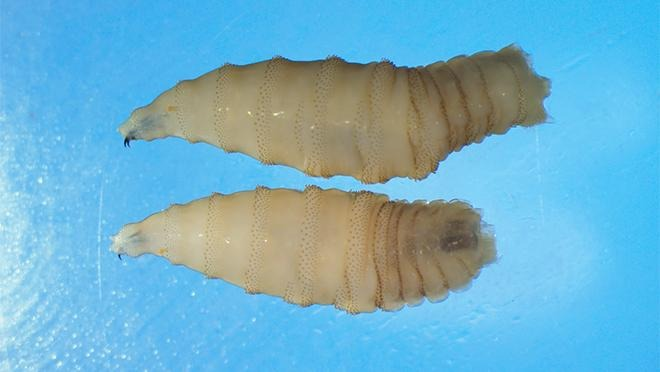
The newly authorized F10 antiseptic wound spray adds another layer of protection for veterinarians and livestock producers. The product works as both an antiseptic and an insecticidal treatment designed to eliminate larvae and help prevent further infestation when applied to wounds. Federal regulators concluded that the available scientific evidence indicates the treatment may be useful against screwworm infestations when used properly.
While the new authorization expands the range of available treatment options, animal health experts emphasize that prevention and early detection remain the most important strategies. Livestock owners are encouraged to routinely inspect animals for unusual wounds that worsen quickly, produce foul odors, or show signs of larvae. Immediate veterinary care can prevent infestations from spreading and reduce the risk of larger outbreaks.
The Texas Department of Agriculture is encouraging ranchers, veterinarians, and animal caretakers to remain alert and report any suspected screwworm cases to animal health authorities as soon as possible. Early detection allows officials to respond rapidly and contain any potential threat before it spreads to additional livestock or wildlife.
Protecting Agriculture and the Food Supply
For Texas and the broader American agricultural industry, preventing the return of the New World screwworm remains a top priority. The parasite once caused devastating losses for ranchers and threatened livestock production across large portions of the country. Maintaining strong prevention systems, surveillance programs, and treatment options is considered essential to ensuring that history does not repeat itself.
The recent federal authorization of a new treatment tool represents another step in that effort. By strengthening the resources available to veterinarians and livestock producers, officials hope to ensure that the United States remains prepared to protect its animals, agricultural economy, and food supply.