


American Community Media hosted an essential national briefing this week, bringing together policy experts, advocates, and members of the ethnic press to discuss sweeping changes coming to the American healthcare system in 2026. The virtual session focused on the impact of new federal budget rules, significant shifts in Medicare and Medicaid programs, and the likely consequences for millions of families, particularly immigrants, seniors, and low-income households.
Moderator Sunita Sohrabji opened the discussion by noting that consumers who purchase health coverage through the Affordable Care Act marketplace could face premium increases of more than 70 percent beginning next year. Analysts also project a $45 billion cut to Medicare funding in 2026, with a total reduction of more than $500 billion over the next decade. Medicaid faces even steeper reductions as a result of HR1, also known as the One Big Beautiful Bill, which removes more than $900 billion from the program over 10 years and adds new work requirements that many current recipients may not be able to meet.

The first speaker, Tomas Bednar, Senior Vice President and Counsel at Healthsperien LLC, framed the issues around three major themes. He warned that Americans should prepare for higher costs, reduced access, and political gridlock that will make large-scale reforms difficult. According to Bednar, the elimination of enhanced premium tax credits poses one of the most immediate threats. More than twenty-two million Americans currently rely on these credits to help pay for marketplace insurance. Without them, many families will see premiums become unaffordable and will likely drop coverage altogether.
Bednar explained that the structure of the insurance market depends on broad participation. When healthy individuals leave the system due to high premiums, those who remain tend to have greater healthcare needs. This can lead to even higher costs for insurers and consumers, creating a cycle that pushes more people out of the market. He predicted that millions could lose coverage within a short period if no changes are made.
A significant concern discussed at the briefing involved immigrants and the reinstatement of the public charge rule. This rule allows immigration officials to consider public benefits, such as Medicaid, when reviewing green card applications. Bednar noted that this policy often discourages eligible immigrants from seeking care due to fear and confusion, even when the rule does not apply to them. He emphasized that this chilling effect is occurring in the broader context of reduced Medicaid access and new eligibility restrictions that disproportionately affect immigrant communities.
The briefing then shifted to the impact on older adults, with remarks from Amber Christ, Justice in Aging’s Managing Director for Health Advocacy. Christ explained that HR1 fundamentally shifts household resources. Low-income households will see significant reductions, mainly due to cuts in Medicaid and food assistance programs, while higher-income households will experience gains through tax reductions. She stressed that older adults are especially vulnerable because many live on fixed incomes and depend heavily on Medicaid to supplement Medicare.
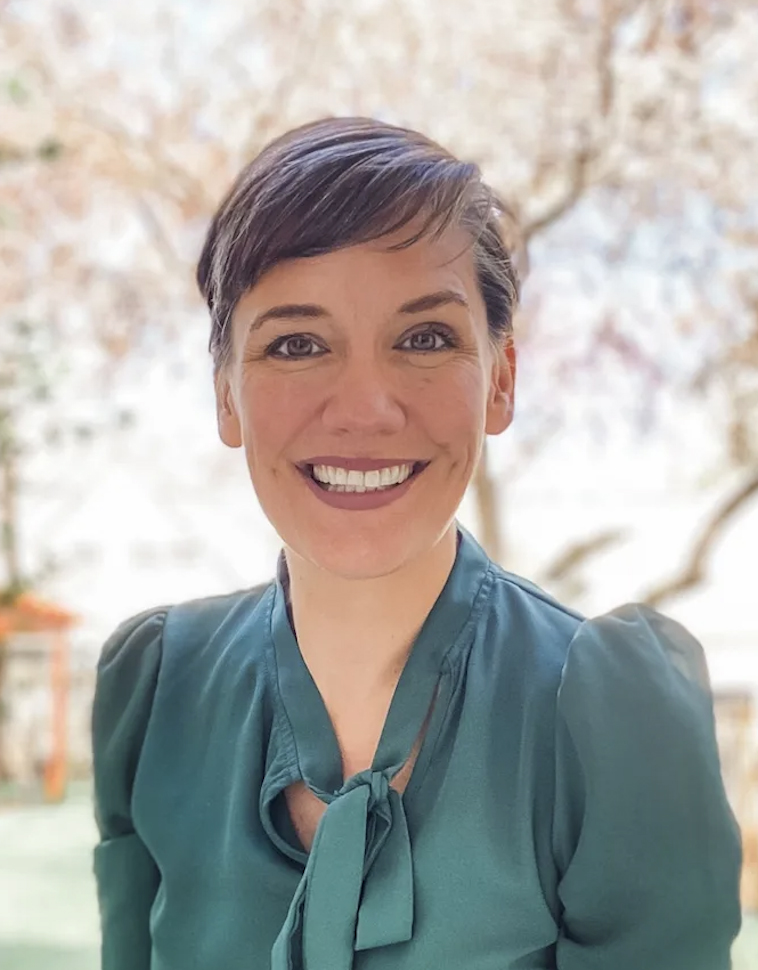
Christ highlighted that Medicare does not cover long-term care, dental, vision, and hearing services. Medicaid fills those gaps for more than twelve million older adults and individuals with disabilities. Cuts to Medicaid funding will likely force states to reduce optional benefits, including home and community-based services that allow seniors to remain in their homes rather than enter nursing facilities. During the Great Recession, every state reduced these services, and similar cuts are expected again.
Another major issue involves work requirements for Medicaid recipients. The Congressional Budget Office estimates that five million people may lose coverage, not because they fail to meet the requirements, but because proving eligibility is administratively burdensome. Many aging adults between fifty and sixty-four, caregivers, and people with chronic conditions could lose coverage despite needing regular medical care.
Christ also raised alarm over the unprecedented loss of Medicare eligibility for certain legally present immigrants, including refugees, asylees, and individuals with temporary protected status. Some of these individuals have paid into the Medicare system for years but will no longer have access to the coverage they helped fund. If they cannot qualify for Medicaid or afford marketplace insurance, they may become completely uninsured.

Throughout the briefing, speakers emphasized that states will face enormous financial pressure as federal funding declines. Many will be forced to cut services, reduce provider payments, or limit eligibility. While states could raise revenue, experts noted that such measures are politically challenging and unlikely to fully address funding shortfalls.
The event concluded with a discussion of the broader shift in responsibility from the federal government to states and individuals. As national support decreases, families will bear a greater financial burden for healthcare, long-term care, and basic support services. Participants expressed concern that the United States could see rapid growth in the uninsured population, greater medical debt, and reduced access to essential care.
American Community Media’s briefing served as a timely reminder that changes to federal healthcare programs have real consequences for local communities. For many families, especially seniors and immigrants, the coming year may bring difficult choices and increased hardship. Policy experts urged the public to stay informed and engaged as decisions made in Washington continue to shape the nation’s healthcare landscape.