

Marking Citizenship Day
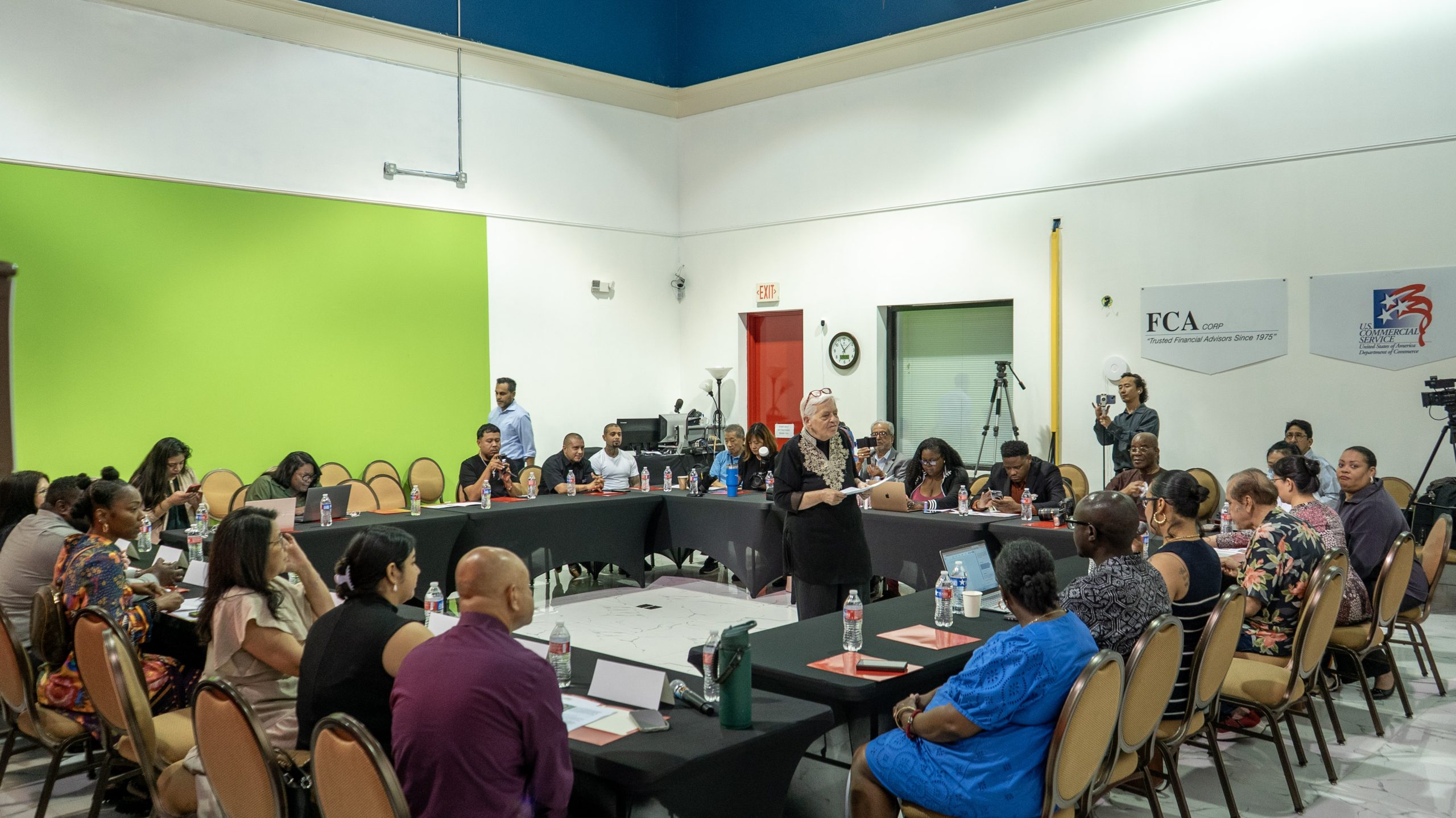
On September 17, 2025, National Citizenship Day, local leaders, advocates, and immigrant families gathered for “Houston’s Push for Naturalization: Where We Are Now and Where We Want to Go.” The community briefing, moderated by Sandy of HCOM, highlighted both challenges and successes in helping lawful permanent residents take the final step toward U.S. citizenship.
Building the Initiative
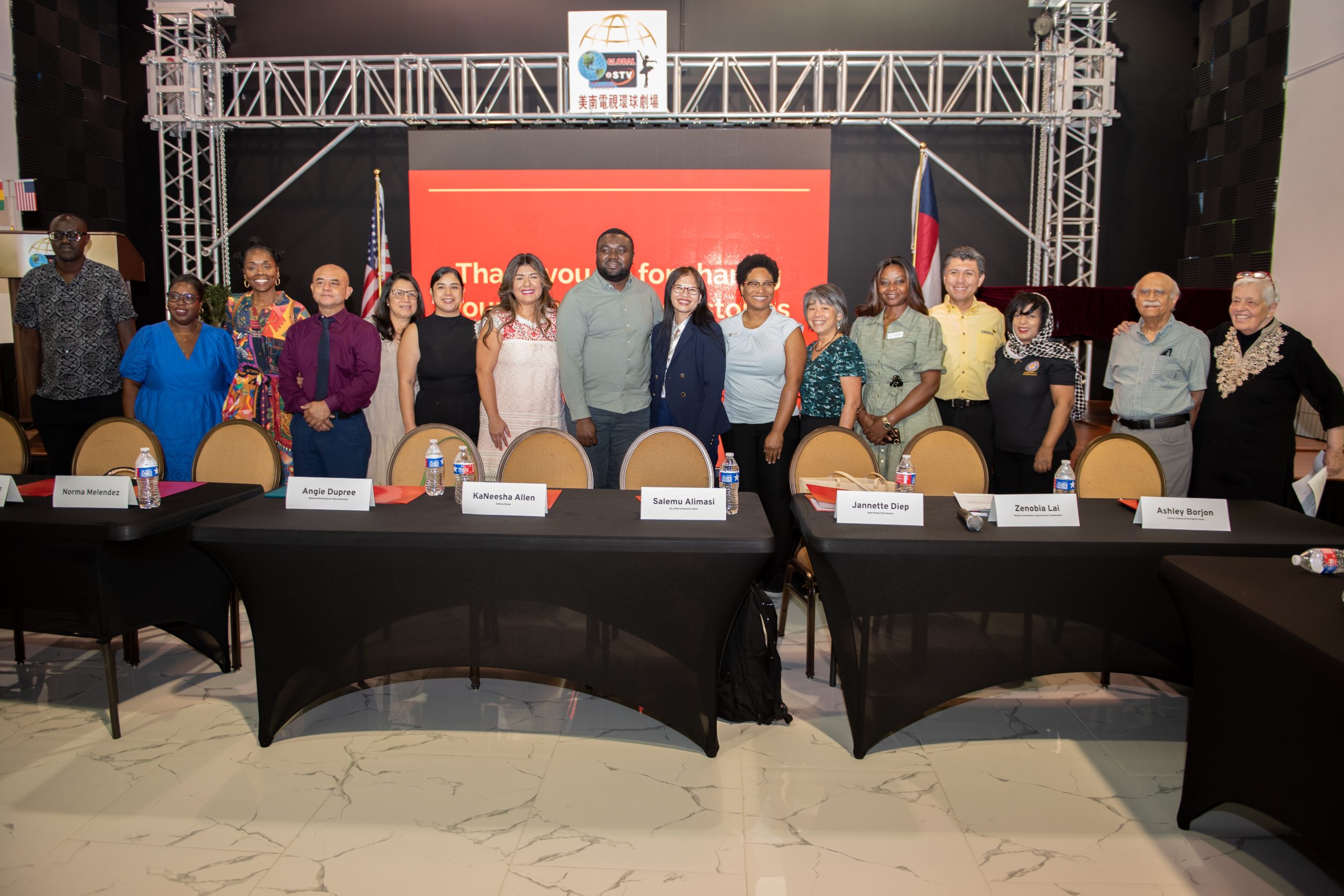
Angie Dupree, Citizenship Coordinator with the National Partnership for New Americans, explained the framework behind the “Naturalize Now, Houston!” initiative. Launched in 2023, the program centers around three main efforts. First, the Citizenship Community Navigator model trains trusted community members to guide applicants through the process. Second, there are strong partnerships with Harris County and the City of Houston. Third, a communications campaign promotes workshops, citizenship classes, and events that help connect people to the right resources.
“Trust is everything right now,” Dupree said, pointing to widespread misinformation. “We have to meet people where they are, earn their trust, and connect them with concrete help.”
A Family’s Journey
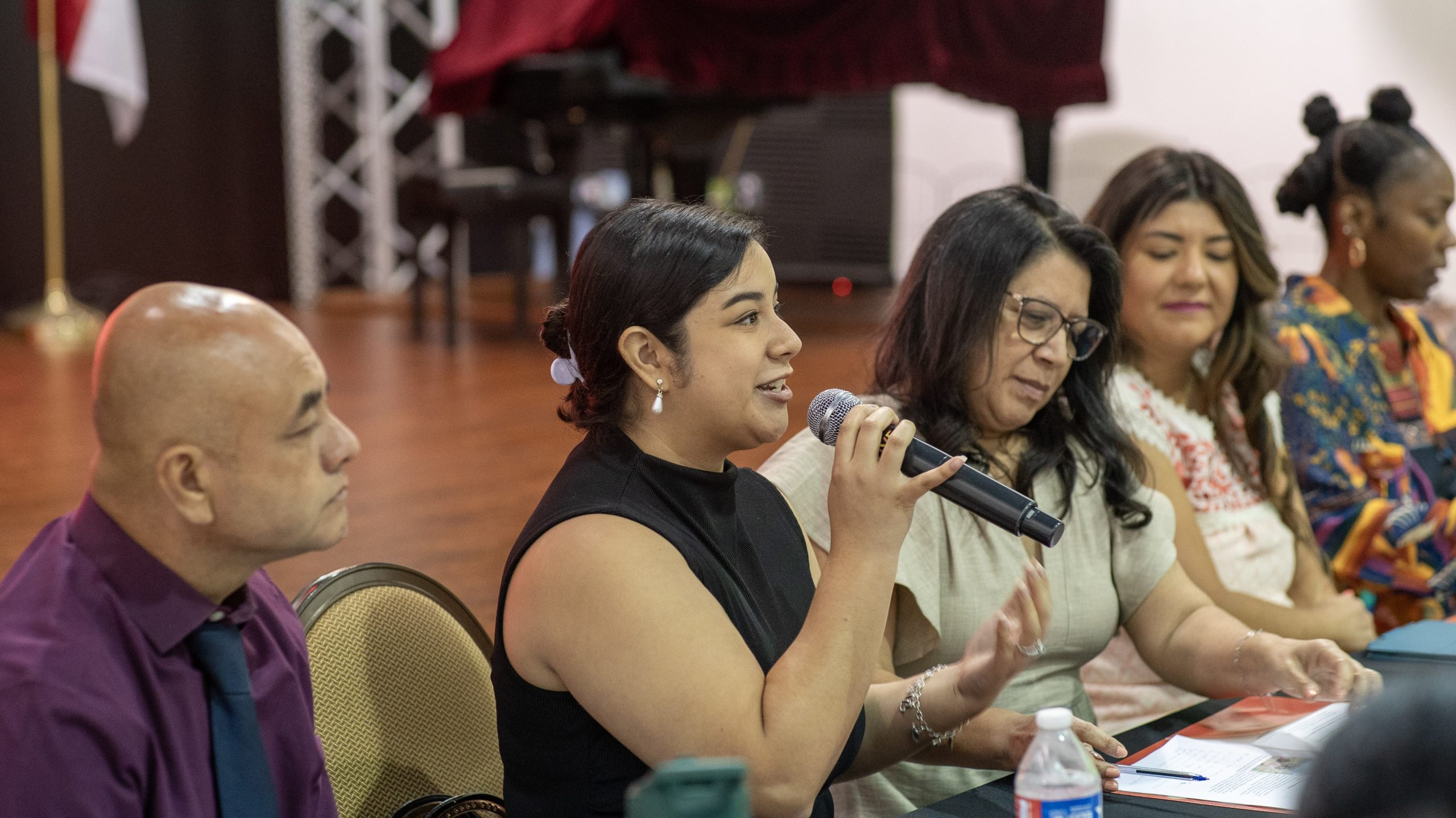
The most compelling stories came from families who lived the process. Daniela Melendez, a community outreach and hotline operator with the Houston Immigration Legal Services Collaborative, introduced her parents, Manuel and Norma. After twenty-five years in the United States under Temporary Protected Status following an earthquake in El Salvador, they finally naturalized with the help of local partners, including Boat People SOS.
Manuel recalled renewing TPS for many years before applying for citizenship. His interview and oath ceremony followed within months. Norma described taking civics classes, working as a caregiver and later as a teacher’s aide, and proudly applying for her first passport after becoming a citizen. Daniela summarized their motivation clearly, saying that citizenship is the safest status and that it provides a voice.
Designing Community-Based Solutions
KaNeesha Allen, Community Collaboration Lead with Dalberg Design, described how Houston’s campaign applied human-centered design. Her team piloted two approaches. One was the Citizenship Support Circle, a five-part workshop series that helped immigrants build confidence, practice English, and learn more about the process. The other was a community navigator program for applicants who were further along and needed help with applications or connections to legal support.
The pilots deliberately focused on harder-to-reach groups such as seniors, African refugees, and LGBTQ+ individuals. A communications campaign amplified real stories, allowing more people in Houston to see themselves in the process and be encouraged to take the next step.
Service Providers on the Frontline
Jannette Diep, Executive Director of Boat People SOS Houston, emphasized that navigators made a decisive difference. “People come with worries,” she explained. “When you sit with them, answer their questions, and show them they are ready, it changes everything.”
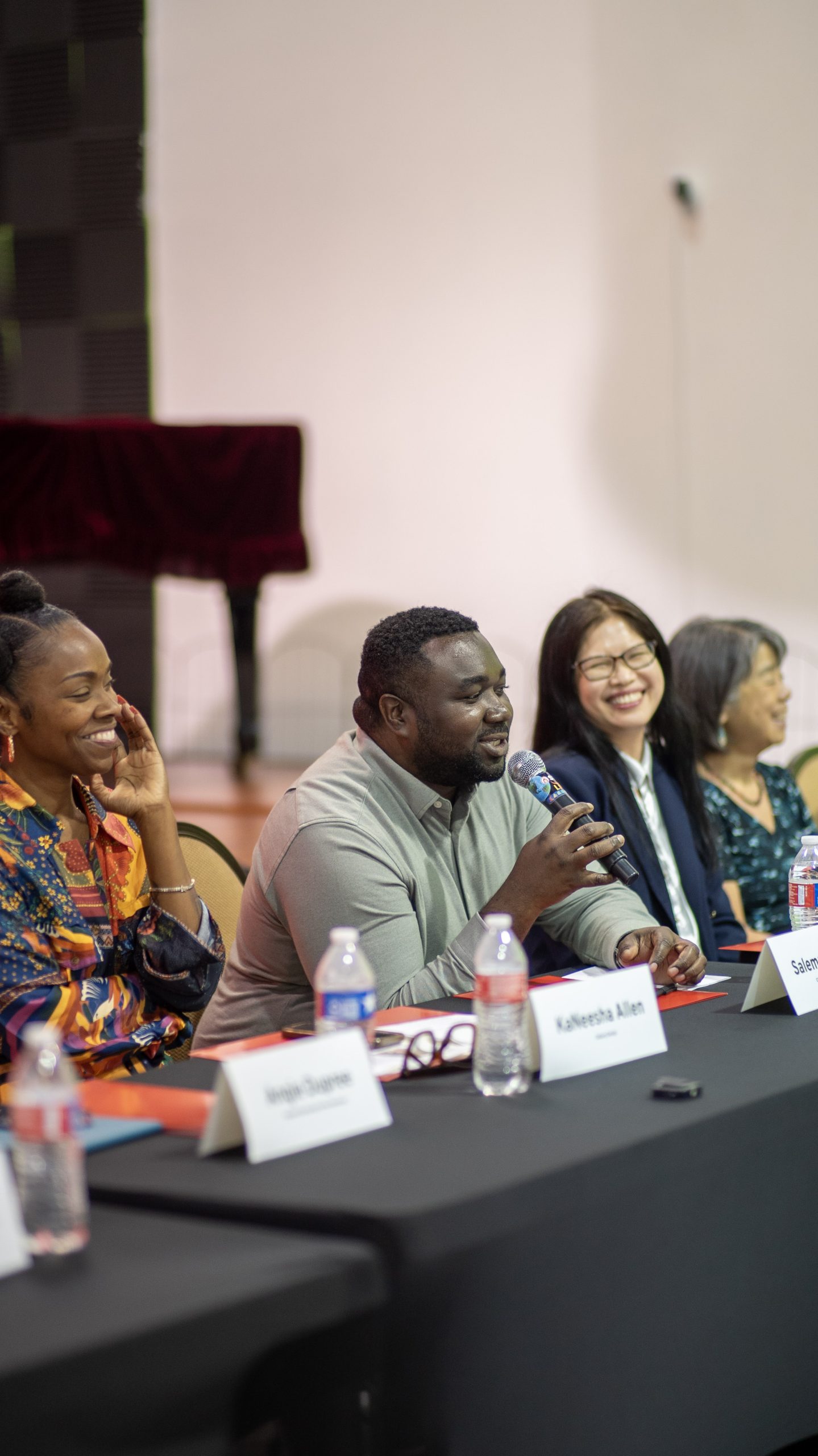
Salemu Alimasi, Executive Director of the CO_AFRO Community Center, highlighted the importance of cultural trust. “Unity within diversity is the beauty and strength of our community,” he said. He explained that speaking with people in their own language and traditions helps them feel more at ease and ready to apply for citizenship.
Literacy, Confidence, and Cost
Ashley Borjon, Adult Education Director at the Literacy Council of Fort Bend County, connected the work to her own mixed-status family. She explained that the barrier for many older students was not only English but confidence itself. Many doubted their memory or ability to express themselves. Facilitators encouraged them gently and walked with them at their own pace.
Partners from Engage Houston noted that cost remains a significant obstacle. The application fee of seven hundred sixty dollars is difficult for many families. Engage helps applicants access fee waivers and reduced fee options, making citizenship attainable for more residents.
The Legal Landscape
The final perspective came from Zenobia Lai, Executive Director of the Houston Immigration Legal Services Collaborative. She emphasized the urgency for eligible residents to naturalize while warning of systemic barriers. Millions, including those with Temporary Protected Status and DACA, have no pathway to citizenship at all.
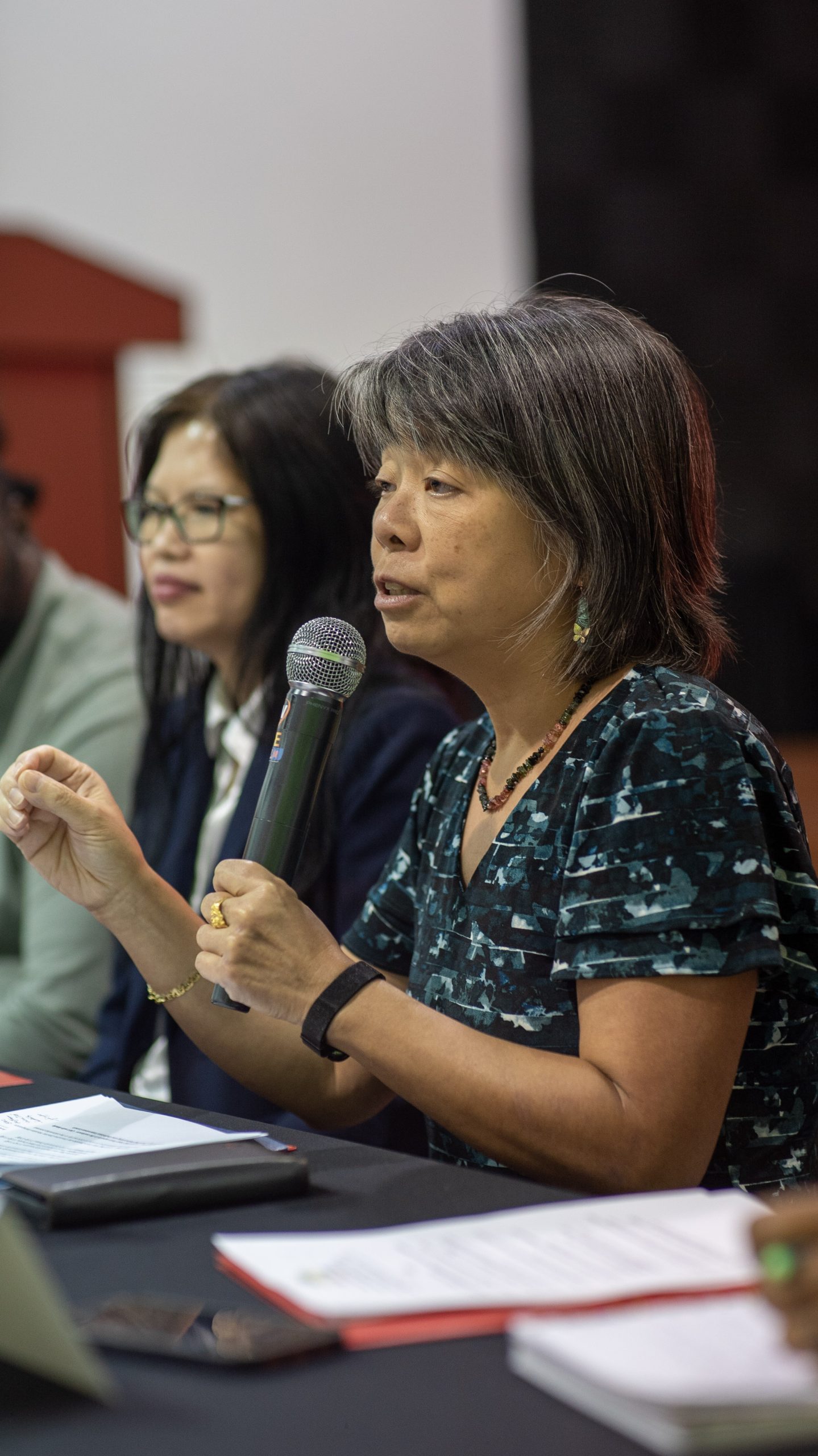
Lai also highlighted new policy challenges. The civics exam may soon be expanded from 100 to 128 questions, with applicants asked 20 instead of 10. Officers are also beginning to interpret the requirement of “good moral character” more strictly, looking back further than five years and expecting positive community contributions such as volunteering. HILSC surveys show a sharp rise in reports of hostility during naturalization interviews, which makes accompaniment and preparation even more important.
Even so, Lai urged those who qualify to act now. “Being a U.S. citizen is the ultimate protection against deportation and the clearest way to have a voice in this country,” she said.
A Growing Village
Despite the obstacles, the message of the day was hopeful. Houston is building a village of support that includes navigators, legal aid providers, adult educators, cultural leaders, and storytellers. Families like the Melendezes are proof that with encouragement, guidance, and trust, citizenship is possible.
Sandy closed the session by reminding the audience that this is not just a policy debate but a community success story in progress. The evidence was laid out around the table, as organizations and families worked together to ensure that more Houstonians could become citizens and claim their place in the American story.