


On December 20, 2025, history was made in the heart of Houston’s southwest corridor when Texas Agriculture Commissioner Sid Miller paid an official visit to one of the Southwest Farmers Market locations at 9801 Bissonnet Street. Accompanied by members of his senior staff, including Todd Smith and Tony Noun, the Commissioner was warmly received by the store’s owner, Mr. Philip Oshotse, and members of his management team. Together, they toured the store, engaged in detailed conversations, and examined the wide variety of food products that serve thousands of families across the Greater Houston area.
This visit marked an unprecedented moment. Never before in the history of the State of Texas had a sitting Agriculture Commissioner formally visited an African-owned and African-focused grocery store. For African and immigrant communities that depend on these markets not only for food but also for cultural connection and economic survival, the significance of this moment cannot be overstated.
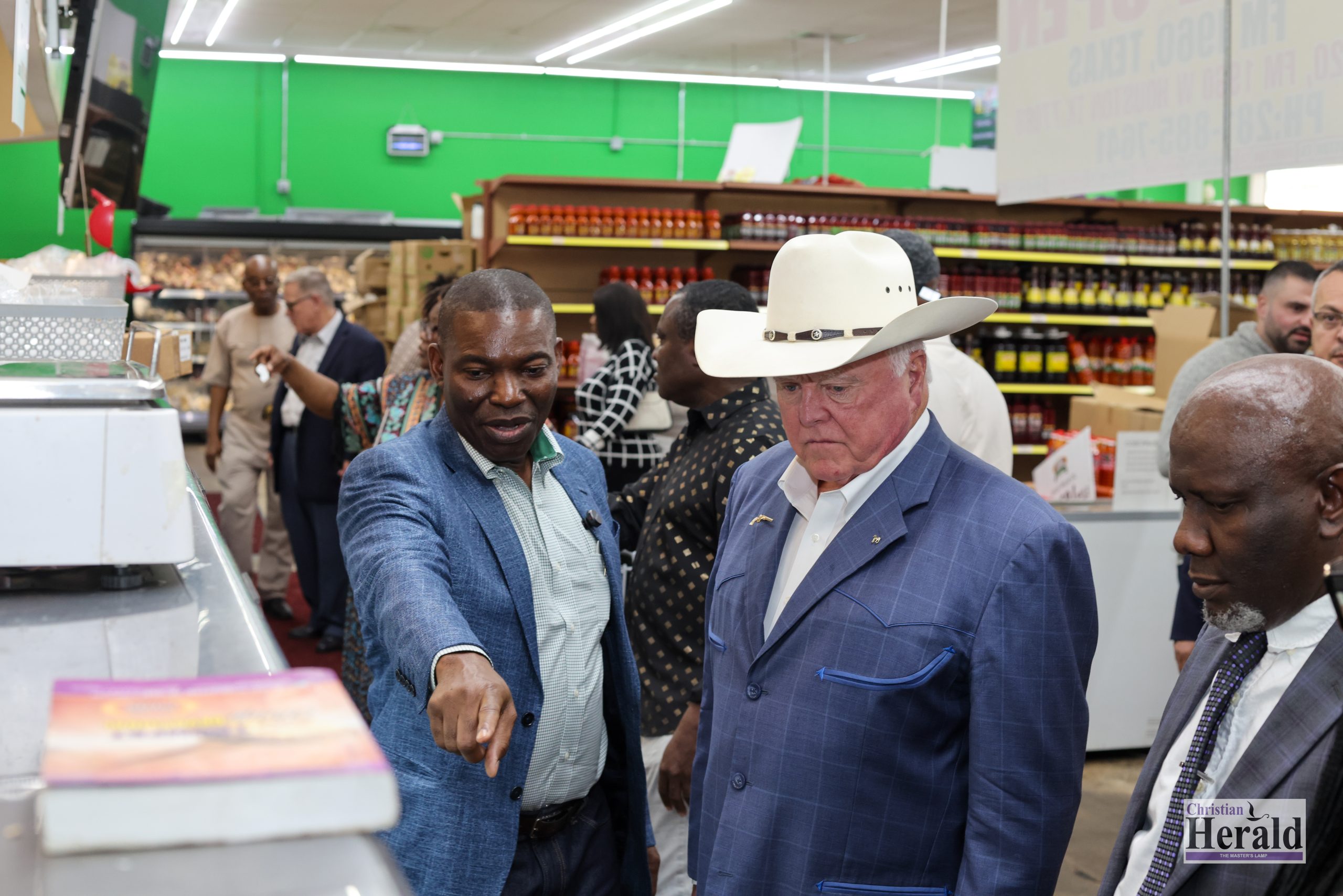
Southwest Farmers Market, a chain with 13 locations across Texas, Atlanta, and Maryland, has become a major hub for African, Caribbean, and international food products. The store shelves reflect the culinary heritage of multiple nations, carrying fresh produce, grains, spices, meats, and specialty items sourced from local Texas farms and international supply chains. During the walkthrough, Commissioner Miller and his team took time to ask questions about where various products are grown, how they are processed, and how they move from farms and ports to the tables of families in Houston.
Mr. Oshotse explained the growing role of African and immigrant entrepreneurs in the state’s food economy and the increasing demand for culturally specific products that are now part of mainstream Texas consumption. The conversation highlighted that many of the items sold in the store are grown in Texas, while others are imported through regulated channels, supporting both local farmers and international trade relationships.
Beyond the shelves and aisles, the visit carried symbolic weight. For decades, African-owned businesses have quietly and significantly contributed to the Texas economy, creating jobs, revitalizing neighborhoods, and building bridges between cultures. Yet, formal recognition at the highest level of state agricultural leadership had never occurred in such a visible and intentional way. Commissioner Miller’s presence signaled acknowledgment that the African marketplace is an integral part of Texas’s agricultural and commercial ecosystem.

The tour also opened dialogue about opportunities for deeper collaboration between the Texas Department of Agriculture and ethnic grocery operators. Topics included food safety standards, import and export regulations, small-business support programs, and ways Texas farmers could supply more of the produce and protein demanded by African and international consumers. Such partnerships could strengthen local supply chains, reduce costs, and further integrate immigrant-owned businesses into statewide agricultural initiatives.
For the Christian Herald, this moment represented more than a routine political visit. It was a milestone for representation, visibility, and inclusion. The African community in Houston has long played a vital role in faith, business, healthcare, education, and civic life. Seeing the state’s top agriculture official walk the aisles of an African store, listen attentively to its owners, and engage respectfully with its products and patrons sent a powerful message: our community matters, our businesses matter, and our economic contributions are recognized.
The location, along Bissonnet Street, is a testament to Houston’s global identity. It serves shoppers from Nigeria, Ghana, Sierra Leone, Cameroon, Jamaica, Haiti, and many other nations, as well as Texans from every background who have developed a taste for international cuisine. In that diverse environment, the Commissioner’s visit symbolized the meeting of cultures, commerce, and public policy.
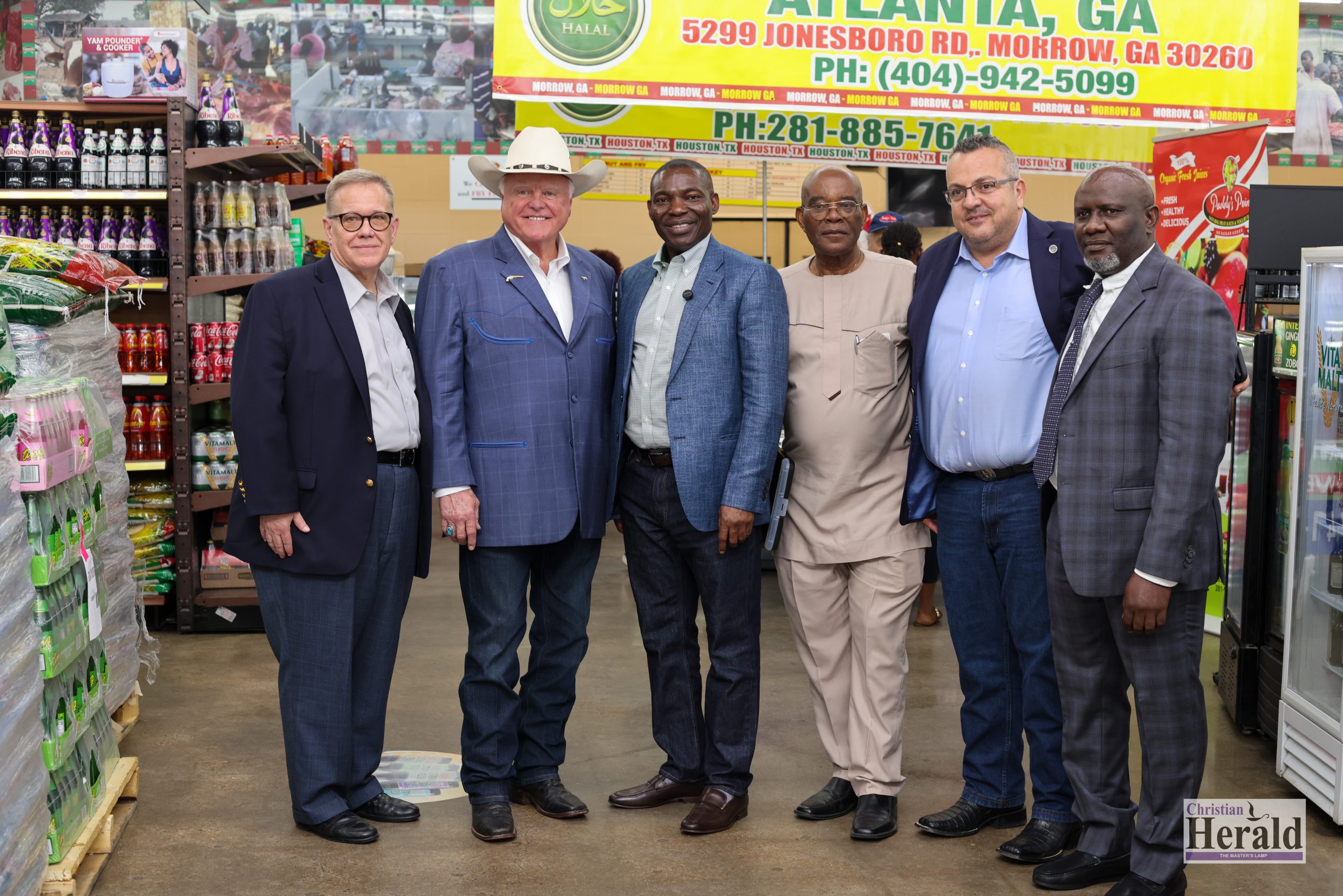
As the tour concluded, conversations continued about the future. How can African farmers in Texas be better supported? How can small ethnic markets gain access to state resources, grants, and promotional programs? How can the next generation of African-American and immigrant entrepreneurs be equipped to participate more fully in the agricultural value chain, from production to distribution to retail?
The Christian Herald was present to document and share this historic encounter because it speaks directly to the heart of our mission: telling the stories of our community, affirming its place in the broader American narrative, and ensuring that moments of progress are recorded for future generations. This was not merely a store visit; it was a recognition of identity, contribution, and belonging.
December 20, 2025, will be remembered as the day when Texas’s agricultural leadership crossed a new threshold and officially stepped into the African marketplace. It was a small walk through store aisles, but a giant step in acknowledging the role of African-owned businesses in shaping the economic and cultural landscape of the Lone Star State.
CLICK ON LINK FOR FULL PHOTO GALLERY: