

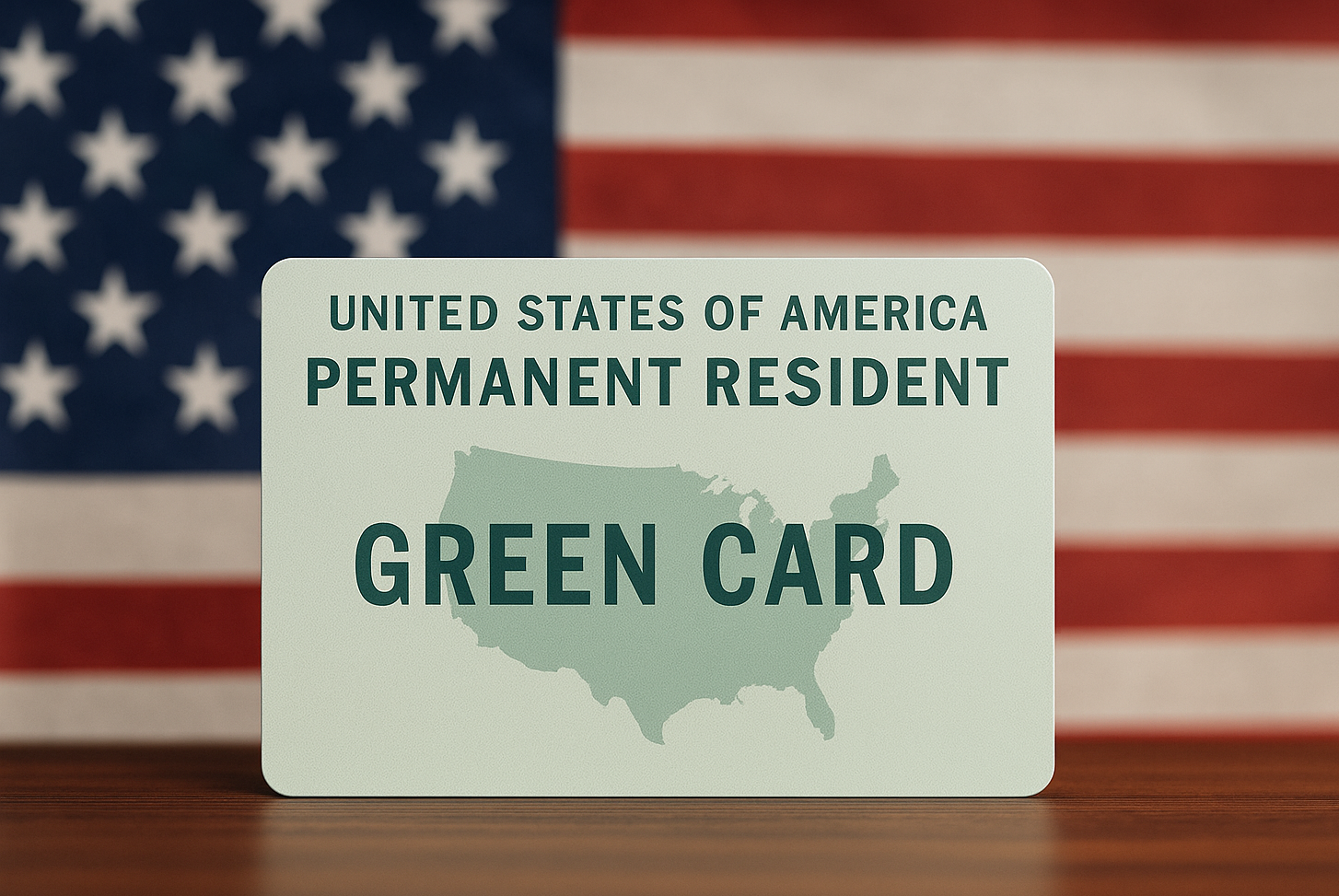
Green Card Holders Face Tougher Road to Citizenship Under New Civics Test Requirements
The path to United States citizenship has become more challenging for green card holders as a new civics test and stricter scrutiny policies went into effect on October 20. Applicants for naturalization will now face a longer exam, higher passing requirements, and additional assessments of character and community ties. Supporters believe the changes will strengthen civic understanding, while critics warn that many immigrants may find it harder to complete the naturalization process.
What Has Changed
The United States Citizenship and Immigration Services has launched the updated 2025 Naturalization Civics Test. The new version raises the stakes for those preparing for the citizenship process. Instead of the previous set of 10 questions, applicants will now be asked up to 20. To pass, they must answer at least 12 questions correctly. Under the old 2008 test, applicants needed to answer 6 out of 10 correctly.
The question bank has also expanded from 100 questions to 128, combining topics from both the 2008 and 2020 versions of the exam. These questions cover American history, government functions, national symbols, and other subjects that officials say are essential to understanding civic life in the United States.
Why the Test Is Getting Tougher
The new policies are part of a broader effort by the current administration to tighten the immigration system. The government has stated that only applicants who fully embrace American values and can demonstrate knowledge of the nation’s founding principles should receive citizenship. Officials argue that the changes will help ensure that naturalized citizens are fully prepared to participate in civic society and assume the responsibilities that come with citizenship.
At the same time, community interviews and neighborhood checks will return for some applicants. USCIS officers will also evaluate whether applicants can demonstrate good moral character, a long-standing requirement that will now receive more attention during the review process.
Concerns from Advocates and Community Leaders
Immigration experts say the expanded test and higher number of required correct answers could discourage or disadvantage certain applicants, especially those with limited English proficiency or limited access to civics education. Critics also point to reduced funding for English and citizenship preparation programs, which may make it harder for immigrants to study for the new material.
Some advocates argue that many aspiring citizens already face long processing times, financial burdens from application fees, and language obstacles. They believe that a more challenging exam adds yet another layer of difficulty and could result in fewer applicants completing the naturalization process. There is also concern that applicants may feel mistrusted or unfairly judged under stricter scrutiny policies that examine their character, community ties, and personal history.
Who Qualifies for Modified Testing
The government has kept some exceptions in place. Applicants who are at least 65 years old and have lived in the United States as permanent residents for 20 years or more will take a simplified test. This version includes only 10 questions, pulled from a smaller pool of 20. The pass or fail method remains the same, and only the civics portion is altered for qualifying seniors.
How the Scoring Works
The civics test remains pass or fail. USCIS officers will stop asking questions once the applicant reaches 12 correct answers or nine incorrect answers. Applicants still have two chances to pass the test. If they fail twice, their naturalization application will be denied.
Some answers on the test may change over time due to elections or changes in public office. Because of this, USCIS encourages applicants to study regularly updated study materials.
A Broader Message on Immigration
Alongside the policy changes, the administration has also taken a stronger position on background checks and legal violations by green card holders. Officials have made it clear that citizenship is not guaranteed and can be denied if problems are found with eligibility or criminal records. While the government sees this approach as a way to protect the nation’s values, others see it as part of a wider pattern of discouraging immigration and naturalization.
What This Means for Immigrant Families
For many families, citizenship represents stability, security, and a lasting connection to the United States. The new rules may require applicants to spend more time and money preparing for the exam. Community organizations, churches, and local immigrant groups may play a larger role in helping applicants study and navigate the naturalization process.
Looking Ahead
As the new civics test rolls out nationwide, the impact will become clearer in the months ahead. Supporters believe the changes will produce citizens who are better informed about the American government. Critics think they will result in fewer successful applicants and will slow the rate of naturalization at a time when many immigrants have already put down firm roots in American communities.
For now, one thing is sure. Green card holders who plan to apply for citizenship must prepare more thoroughly than before. The journey is still possible, but the road has become more demanding.