
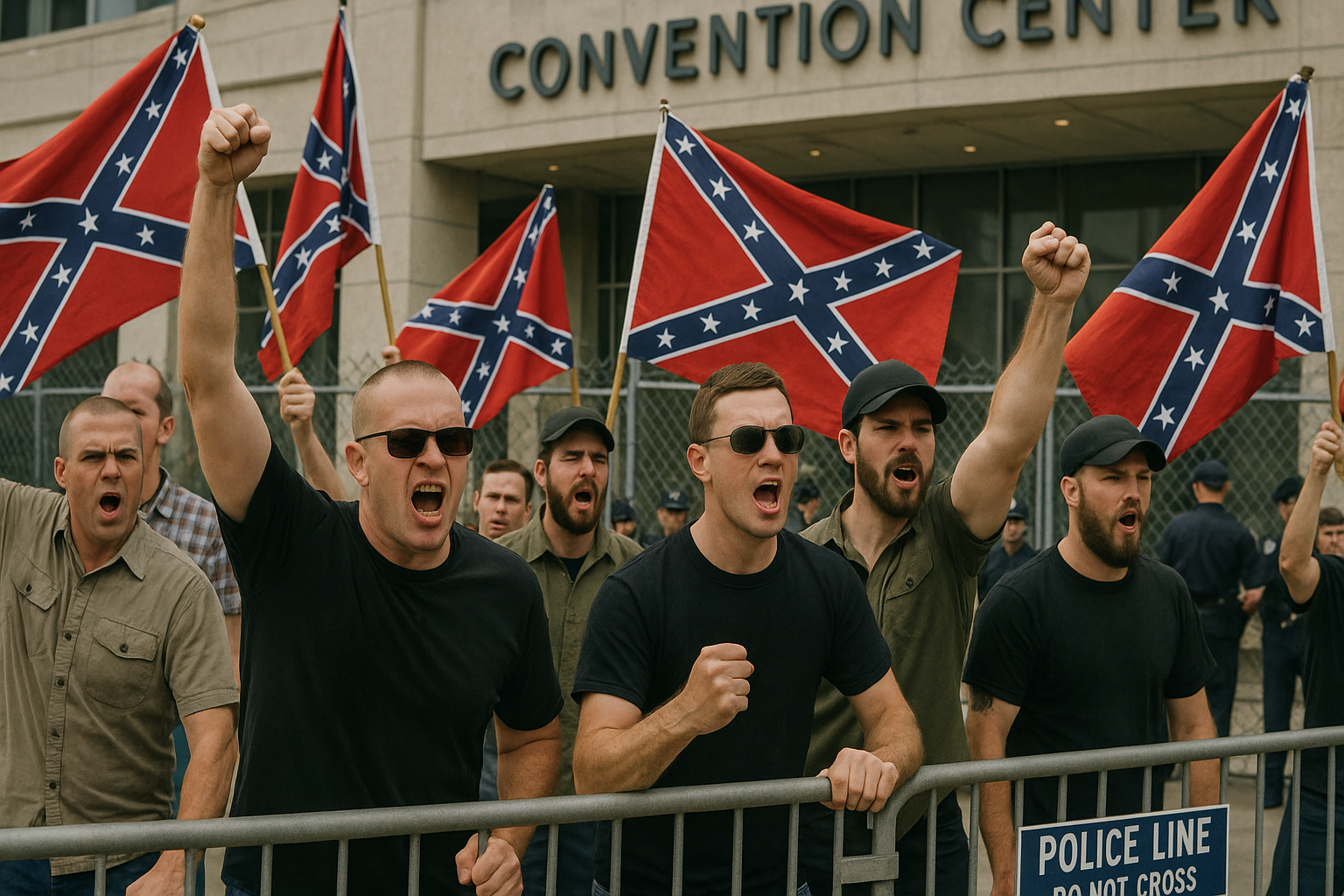
American Community Media hosted a powerful national briefing this month that brought together leading scholars, journalists, and human rights advocates to examine a troubling trend in the United States. Ideas once considered extreme, hateful, and outside acceptable public discourse are increasingly entering mainstream political, cultural, and even religious spaces. The virtual session, titled “The Mainstreaming of White Supremacy,” explored how these ideologies are spreading, why they are gaining acceptance, and what this shift means for American democracy and the communities served by ethnic and faith-based media.

Moderator Pilar Marrero opened the briefing by noting that white supremacist and far-right movements that once operated on the margins are now influencing elections, shaping policy debates, and appearing in institutions that were previously insulated from such ideologies. According to the presenters, this transformation did not happen overnight. It developed over decades through political movements, religious networks, social media platforms, and cultural changes that allowed racist and exclusionary narratives to gain legitimacy.
The panel first heard from Sanford Schram, a political scientist who studies the rise of racial resentment in American politics. He traced some of the roots of the current moment to the election of President Barack Obama, which sparked backlash among people who felt threatened by increasing diversity and multicultural inclusion. Schram explained that the Tea Party movement, which gained strength during Obama’s presidency, helped normalize rhetoric that framed white Americans as victims who were being overlooked or replaced. This sentiment laid the groundwork for former President Donald Trump’s political rise, which capitalized on immigration fears and racial grievances. Schram argued that these forces remain a powerful part of the political landscape and continue to influence voter behavior and policy priorities.
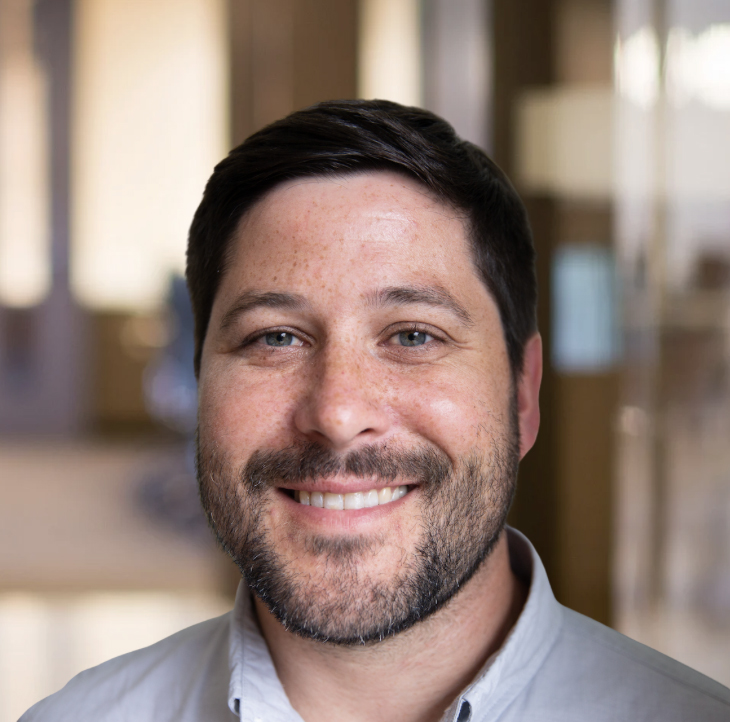
Journalist Heath Druzin expanded on this theme by describing how online communities have accelerated the spread of extremist ideas. He explained that social media platforms provide anonymous environments where individuals can share racist and extremist content without the social consequences they would face in person. What was once fringe content is now shared openly, with some users expressing admiration for historical figures associated with hatred and violence. Druzin emphasized that political leaders who use inflammatory language amplify these trends, making rhetoric that would have been unacceptable a decade ago seem increasingly normal.
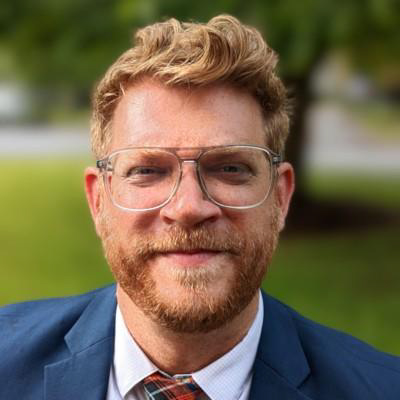
Another primary focus of the briefing involved the growing connection between white supremacist ideologies and specific religious movements. Matthew Taylor, a Christian scholar, described how some strands of Christian nationalism overlap with white identity politics. While Christian nationalism has existed in various forms throughout American history, Taylor noted that recent developments have linked it more directly to political extremism. He explained that certain Christian groups view the United States as a nation divinely chosen to uphold a specific form of Christianity, often tied to whiteness and traditional social structures. This belief can lead to the promotion of policies that restrict the rights of women, immigrants, LGBTQ individuals, and religious minorities.
Taylor also highlighted the role of independent charismatic Christian networks that have embraced political leaders as figures with divine purpose. These networks often share messages through churches, media outlets, and online platforms, creating widespread influence. While some participants in these movements are from diverse backgrounds, Taylor warned that the theology guiding them can reinforce ideas of Christian supremacy and contribute to the normalization of extremist beliefs.
Devin Burghart, a researcher who tracks far-right movements, stressed the importance of understanding how organized networks help move extremist ideas from the margins into governance. He explained that far-right activists are no longer confined to isolated gatherings or obscure online forums. Instead, they are increasingly present in state legislatures and local governments. Burghart noted that many lawmakers have joined or publicly aligned with groups that promote conspiracies and racist ideologies. This gives such movements credibility and creates a pipeline through which extremist ideas become public policy. Legislation targeting immigrants, LGBTQ individuals, and public health initiatives often begins in these circles before moving into mainstream political debate.
Throughout the briefing, participants stressed that the convergence of political, religious, and social forces has created a complex coalition that supports the spread of white supremacist ideas. While this coalition includes diverse members, the underlying narratives often reinforce racial hierarchies and promote exclusion. The presenters expressed concern that these trends pose a serious threat to democratic values and to the protection of civil rights.
For communities served by ethnic and faith-based media, the implications are especially significant. As extremist ideas become more visible and politically influential, vulnerable populations may face increased discrimination, hostility, and policy setbacks. Journalists and community leaders play a vital role in informing the public, challenging harmful narratives, and promoting understanding across cultural and religious lines.
American Community Media’s briefing served as an important reminder that the struggle against racism and extremism requires vigilance and engagement. By bringing together experts who study these developments firsthand, the session encouraged thoughtful discussion and awareness at a critical moment in the nation’s political and social life.