

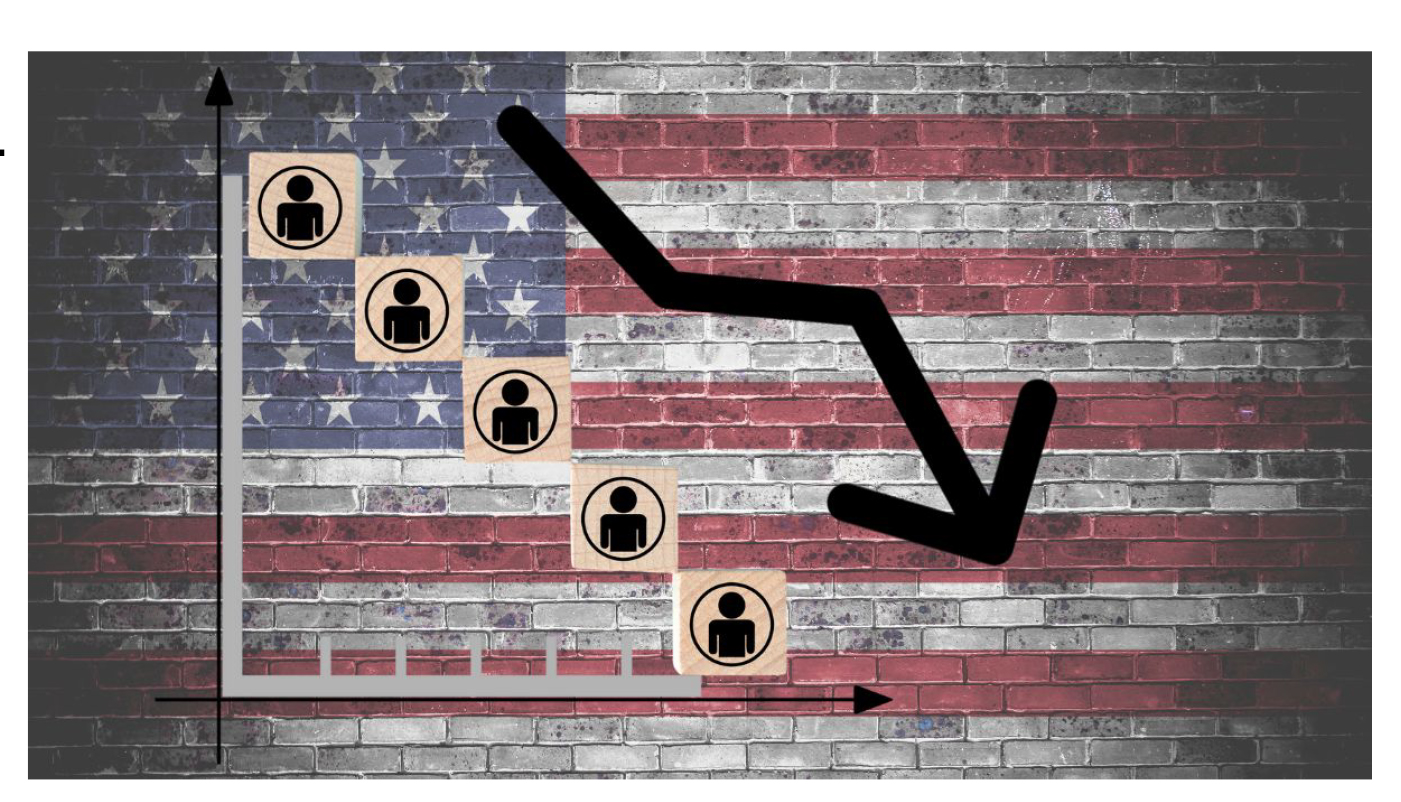
The United States is approaching a demographic crossroads that could reshape its economy, workforce, and social fabric for generations to come. According to data presented at a recent national briefing hosted by American Community Media, the nation’s population growth is slowing dramatically as birth rates decline, the population ages, and immigration wanes – removing what experts describe as America’s long-standing demographic “safety valve.” Under low-immigration scenarios, the U.S. population could fall to as few as 226 million by 2100, a level not seen since the early 20th century.
The briefing, titled America’s Incredibly Shrinking Population, brought together leading scholars and policy experts to examine the causes, consequences, and global implications of this trend. While the discussion was grounded in data, it also raised more profound questions about family life, economic sustainability, and society’s moral responsibilities.
A Global Shift With Local Consequences
The United States is not alone in facing demographic decline. Two-thirds of the world’s population now lives in countries with fertility rates below the replacement level of 2.1 children per woman. In many developed nations across Europe and East Asia, populations are projected to shrink by 20 to 50 percent by the end of the century.

Dr. Ana Langer, Director of the Women and Health Initiative at Harvard’s T.H. Chan School of Public Health, explained that declining birth rates result from multiple interacting forces. These include rising education levels among women, access to contraception, changing cultural norms, economic pressures, and the growing difficulty of balancing work and family life.
“Fertility decisions are shaped by a complex mix of economic, social, and cultural factors,” Langer said. “Housing costs, childcare expenses, job insecurity, and concerns about the future all influence whether families choose to have children, or how many”.
In the United States, fertility has dropped from more than three children per woman in the 1960s to approximately 1.6 today, well below replacement level. Similar patterns are evident across Latin America, Europe, and East Asia.
Economic Ripples and Workforce Challenges
The economic implications of population decline are significant. Anu Madgavkar, a partner at the McKinsey Global Institute, explained that shrinking populations inevitably lead to a smaller workforce, slower economic growth, and increased pressure on social safety nets.
“As populations age, fewer working-age adults are supporting a growing number of retirees,” Madgavkar noted. “This shifts the balance of economies and places enormous strain on programs such as Social Security and healthcare systems”.
According to McKinsey research, demographic decline alone could reduce per-capita economic growth by as much as half a percentage point annually over the coming decades. While that may sound modest, the cumulative effect over time could significantly limit national prosperity and fiscal stability.
In practical terms, this means fewer workers paying into Social Security, increased healthcare costs for aging populations, and rising demands on public resources. Without intervention, countries may be forced to raise taxes, extend retirement ages, or reduce benefits.
Immigration and the Moral Dimension
Historically, immigration has offset declining birth rates in the United States. However, tighter immigration policies and slowing global migration have weakened that buffer. Dr. Philip Cafaro of Colorado State University noted that while immigration can help stabilize population numbers, it is not a long-term solution on its own.

“Demographics are shaped by long-term trends,” Cafaro said. “Immigration policy, environmental sustainability, and population growth must be approached with both realism and compassion” .
From a faith perspective, the issue raises profound moral questions. Scripture consistently affirms the value of human life, family, and stewardship of society. Psalm 127 reminds believers that “children are a heritage from the Lord,” while Proverbs speaks to the wisdom of preparing future generations. At the same time, Christian ethics emphasize care for the elderly, justice for workers, and compassion for immigrants.
A Call for Thoughtful Action
Experts at the briefing emphasized that there is no single solution to population decline. Financial incentives alone have shown limited success in countries such as China and parts of Europe. Instead, long-term stability requires a combination of family-friendly policies, affordable housing, accessible childcare, workplace flexibility, and healthcare systems that support parents and aging adults alike.
Madgavkar also highlighted the potential role of technology and productivity gains, including artificial intelligence, to help offset labor shortages. Yet she cautioned that technology must complement human dignity, not replace it.
For faith communities, the moment presents an opportunity for leadership. Churches can support families through practical assistance, advocate for policies that strengthen households, and promote a culture that values both children and elders. As society grapples with demographic change, the Christian call to care for one another across generations remains as relevant as ever.
The population numbers may be shifting, but the moral challenge is timeless: how to build a society that honors life, sustains families, and prepares responsibly for the future.