


Gun violence has become an unsettling part of daily life in the United States. While mass shootings dominate headlines, experts warn that the issue runs deeper than isolated tragedies. At a recent national briefing hosted by American Community Media, leading researchers, educators, and advocates examined why gun violence persists and what meaningful solutions might look like.
The virtual forum, titled “Can the U.S. Gain Ground on Mass Shootings and Gun Violence?”, brought together Dr. Ragy Girgis of Columbia University, Dr. Daniel Webster of Johns Hopkins University, and Sarah Lerner, a survivor of the 2018 Parkland school shooting and co-founder of Teachers Unify to End Gun Violence. Together, they painted a sobering but hopeful picture of a nation struggling to confront an epidemic that claims tens of thousands of lives each year.

A National Crisis Unlike Any Other
Although mass shootings have slightly declined in recent years, the United States continues to record more gun-related deaths than any other developed nation. As moderator Sunita Sohrabji noted, “Even as the number of mass shootings has declined to its lowest level in two decades, the U.S. still has the highest number of gun-related deaths among its peer nations.”
Dr. Daniel Webster, a leading authority on gun policy and violence prevention, emphasized that this crisis is not inevitable. “The evidence shows that firearm policies matter,” Webster explained, pointing to research linking stronger gun laws with lower rates of gun deaths. He noted that communities that invest in prevention strategies, responsible firearm ownership, and public health approaches achieve measurable results.
The Human Cost Behind the Statistics
For Sarah Lerner, the issue is deeply personal. A teacher at Marjory Stoneman Douglas High School during the 2018 shooting that killed 17 people, Lerner described the lasting trauma experienced by students and educators.
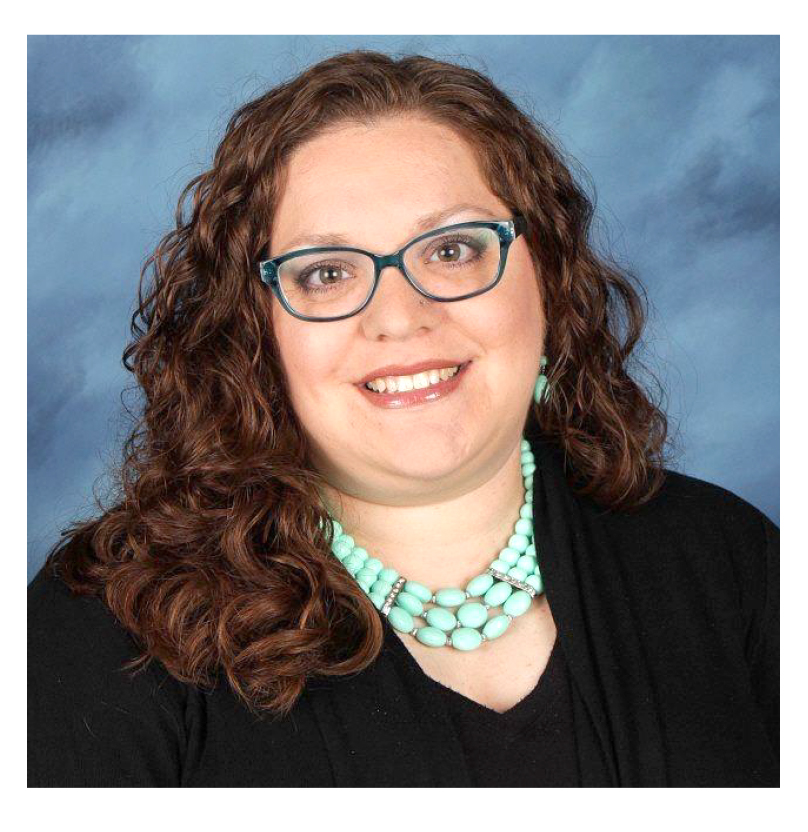
“I was in my classroom when the shooting began,” she recalled. “I had students texting their parents goodbye. No teacher should ever have to experience that.”
Lerner later helped compile Parkland Speaks, a collection of survivor testimonies, and went on to co-found Teachers Unify to End Gun Violence. She stressed that school shootings represent only a fraction of gun violence in America, yet they profoundly shape public fear and trauma.
“Teachers are on the front lines,” she said. “We’re not just teaching. We’re counseling students who live with fear, trauma, and loss every day.”
Dispelling Myths About Mental Illness
One of the most critical insights from the briefing came from Dr. Ragy Girgis, Director of the Columbia Mass Murder Database. His research challenges the common assumption that mental illness is the primary driver of mass shootings.
“Only about 8 percent of mass shooters had a history of psychotic illness,” Girgis explained. “The overwhelming majority of people with mental illness are not violent.”

His research further shows that focusing solely on mental illness distracts from more effective prevention measures, such as regulating firearm access, addressing substance abuse, and intervening when warning signs appear. Studies also show that antidepressants and psychiatric medications are not causative factors in mass shootings, countering persistent misinformation.
What Can Be Done?
Speakers emphasized that solutions exist, but require political will and public engagement. Among the strategies highlighted:
- Strengthening background checks and closing loopholes
- Safe firearm storage laws
- Raising the minimum age for firearm purchases
- Community-based violence intervention programs
- Investment in mental health services and early intervention
- Data-driven firearm policy
Lerner was especially direct in her message: “We are not trying to take away responsible gun ownership. We are trying to prevent unnecessary death. Secure storage alone could save thousands of lives.”
A Moral and Community Imperative
For faith communities, the conversation carries spiritual weight. Gun violence does not merely represent a policy failure but a moral crisis that touches families, churches, and neighborhoods alike.
“Every life lost is a soul lost,” Lerner said. “And every shooting leaves behind a ripple of trauma that lasts for generations.”
The briefing concluded with a call for collective responsibility, urging lawmakers, faith leaders, educators, and citizens to work together toward meaningful reform.
As Dr. Webster summarized, “The question is not whether we can reduce gun violence. The evidence shows we can. The real question is whether we choose to.”