

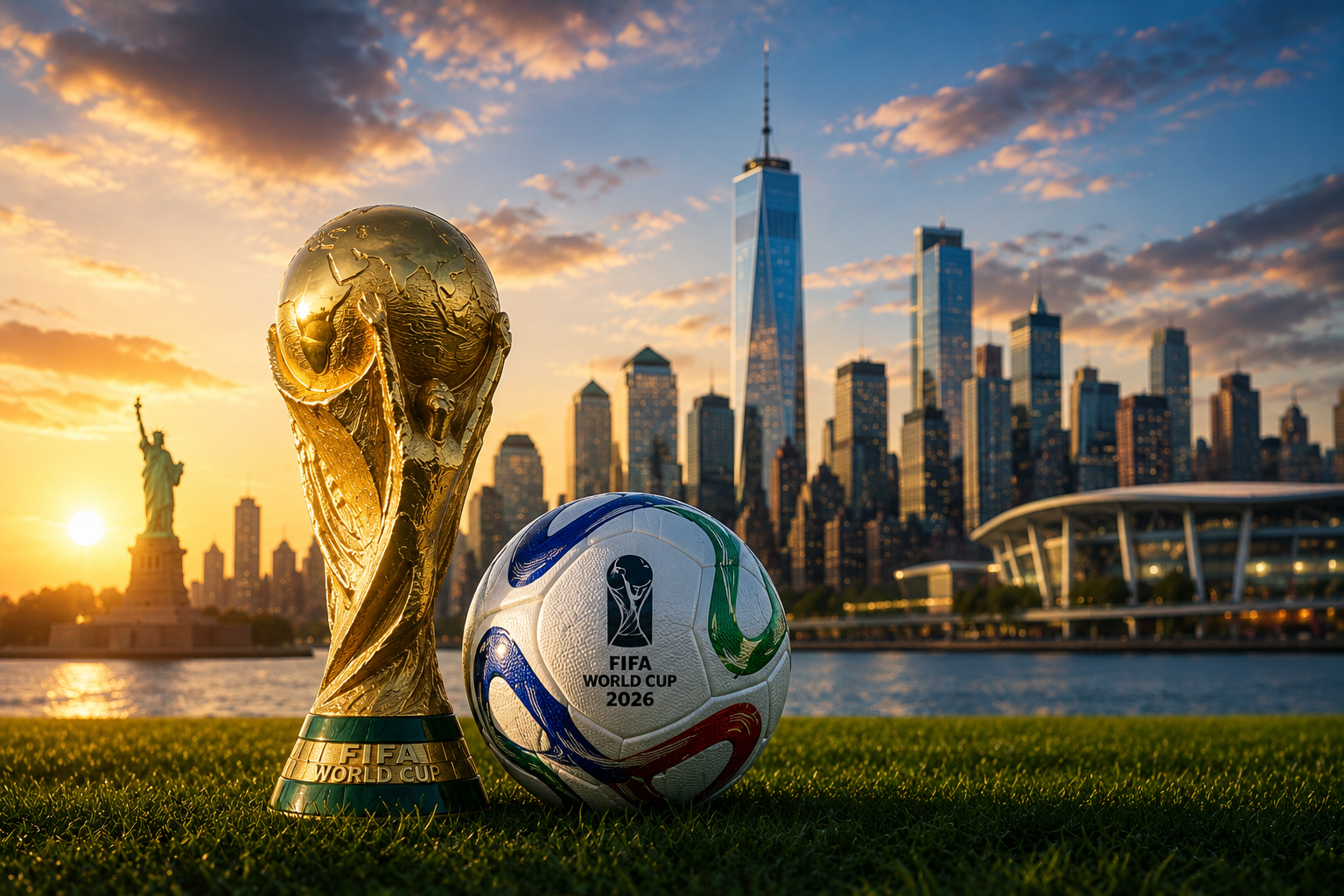
In just a matter of days, the United States will take center stage as host of the largest sporting event in history. The 2026 FIFA World Cup, jointly hosted by the United States, Mexico, and Canada, is expected to attract millions of visitors from around the globe and generate billions of dollars in economic activity.
With 78 of the tournament’s 104 matches scheduled to be played in the United States, cities such as Houston, Dallas, Los Angeles, Miami, Atlanta, Seattle, and the New York-New Jersey region are preparing for an unprecedented influx of fans. For many Americans, the tournament represents an opportunity to showcase the nation’s hospitality, diversity, and economic strength.
Yet as excitement builds, questions are emerging about whether the country is fully prepared to welcome the world.
More Than a Sporting Event
The FIFA World Cup is often described as the world’s most popular sporting event. The 2026 edition will be larger than any previous tournament, expanding from 32 to 48 national teams and bringing millions of spectators to North America.
During a recent American Community Media briefing, experts noted that hosting the World Cup is comparable to staging dozens of Super Bowls over several weeks. The event will place extraordinary demands on transportation systems, airports, hotels, public safety agencies, and local communities.
While supporters point to the economic benefits, others are raising concerns about immigration policies, visa access, worker protections, civil liberties, and the overall experience visitors may encounter upon arrival.
Immigration Questions Take Center Stage
One of the most discussed topics surrounding the tournament involves immigration and international travel.

Ariel G. Ruiz Soto, Senior Policy Analyst at the Migration Policy Institute, explained that recent travel restrictions affecting dozens of countries could complicate attendance for some international fans. Several nations whose teams qualified for the tournament face visa restrictions that may prevent supporters from easily traveling to the United States.
In addition, concerns remain about lengthy visa processing times and new requirements that could create financial barriers for some travelers.
The issue extends beyond fans. Journalists, team support personnel, and athletes’ family members may also face additional hurdles when attempting to enter the country.
For many immigrant communities already living in the United States, there are concerns that increased immigration enforcement could create an atmosphere of fear during what should be a time of celebration.
Human Rights Watch representatives have urged federal officials to consider a temporary pause in certain immigration enforcement activities during the tournament. Advocates argue that such a move would help reassure visitors and immigrant communities that they can safely participate in World Cup events.
Human Rights and Public Safety Concerns
Human rights organizations are also closely monitoring how the tournament will affect vulnerable populations.

Minky Worden, Director of Global Initiatives at Human Rights Watch, noted that recent World Cups have faced criticism over labor conditions, civil liberties, and protections for workers. She argued that FIFA’s commitment to human rights will be tested during the 2026 tournament.
Among the concerns raised are protections for journalists, freedom of expression, treatment of immigrant communities, and safeguards against discrimination.

Katherine La Puente, Senior Children’s Rights Coordinator at Human Rights Watch, highlighted the importance of child protection measures. She expressed concern that large international events can increase risks related to family separation, child exploitation, and other threats affecting children.
Advocates are calling for stronger safeguards and improved coordination between local governments, event organizers, and community organizations to ensure that families can participate safely.
Will Communities Benefit?
Supporters of the World Cup emphasize the enormous economic opportunities the tournament can create.
Hotels, restaurants, transportation companies, retailers, and entertainment venues are expected to see significant increases in business. Host cities hope the event will generate tourism revenue and long-term investment.
However, some community advocates question whether the benefits will reach ordinary residents.
Jamal Watkins, Senior Vice President of Strategy and Advancement for the NAACP, warned that large sporting events often produce substantial profits for corporations while local communities receive only limited benefits. He called for stronger commitments to workers’ rights, fair wages, and community investment.

Questions have also been raised about rising costs for transportation, lodging, and basic services during the tournament. Some fear that low-income residents could face additional financial pressures as prices increase in host cities.
A Moment to Showcase America
Despite the concerns, many observers believe the World Cup offers the United States a unique opportunity.
The tournament will place American cities on the global stage and allow millions of visitors to experience the country’s culture, diversity, and innovation. It also offers communities an opportunity to celebrate the unifying power of sports.
For Houston, one of the host cities, the event promises international visibility and economic opportunity unlike anything the city has experienced before.
The challenge, experts say, will be ensuring that visitors, residents, workers, journalists, and immigrant communities all feel welcome and safe.
America’s Big Test
The 2026 FIFA World Cup is about far more than soccer.
It is a test of America’s infrastructure, hospitality, public policy, and commitment to welcoming people from around the world. The tournament offers an opportunity to showcase the nation’s strengths, but it also shines a spotlight on unresolved questions surrounding immigration, civil rights, public safety, and economic fairness.
When the opening whistle blows, the world will be watching.
The tournament’s lasting legacy may not be measured solely by goals scored or championships won. It may also be measured by how effectively the United States demonstrates its readiness to welcome the world.