

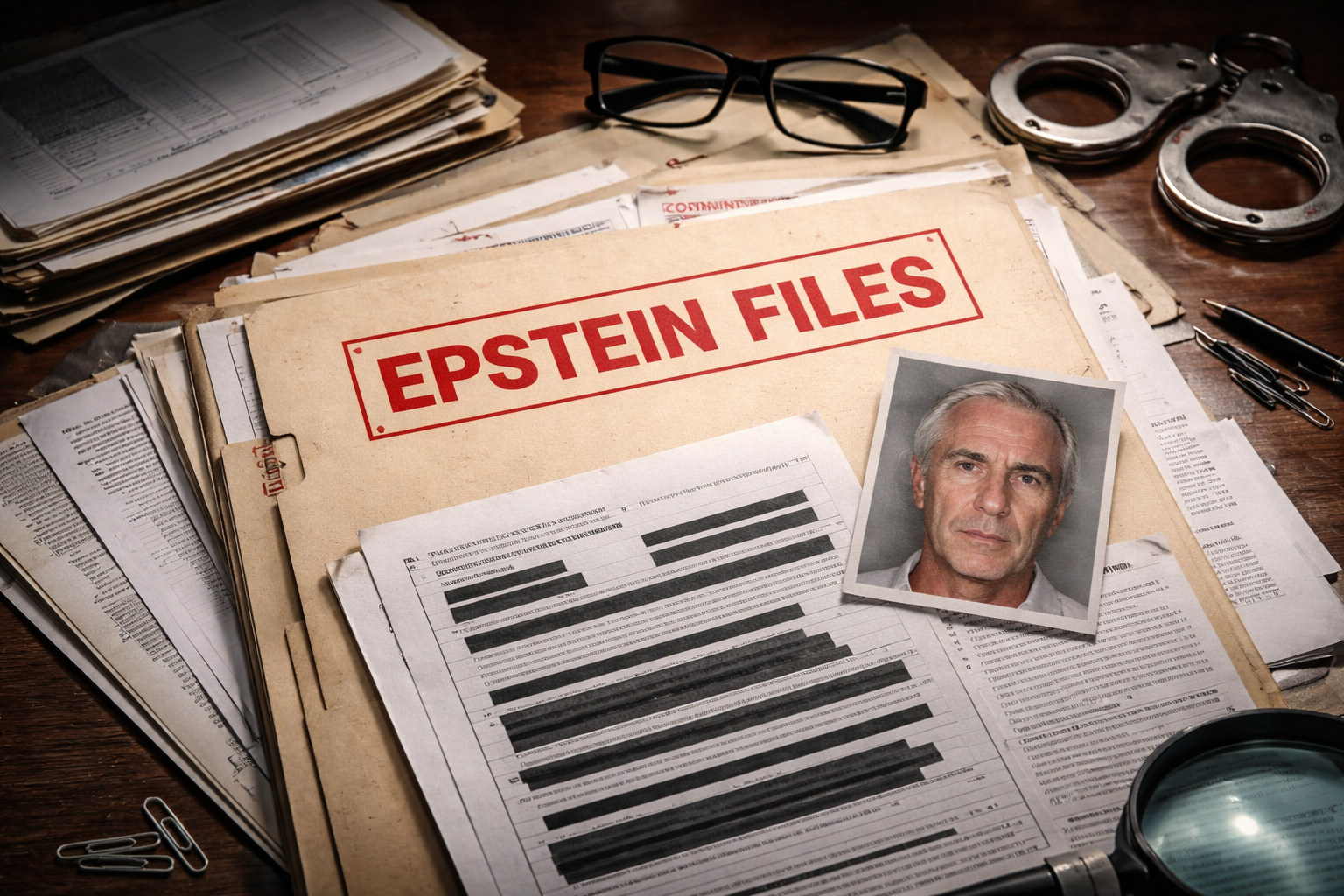
A Scandal That Exposed a System
For more than two decades, the Jeffrey Epstein case unfolded quietly in the shadows, surviving multiple presidential administrations while victims waited for justice. When millions of documents were recently released, public attention once again turned toward powerful names. Yet the central issue, the exploitation of women and girls, was once again pushed aside.
Legal scholar Michele Goodwin warned that this pattern is not new. She explained that abuse is often protected by systems that privilege power over accountability. Survivors who speak out are frequently discredited, delayed by legal obstacles, or forced to meet standards of proof that are unrealistic for children and traumatized victims. The result is a justice system that moves slowly for the vulnerable and carefully for the powerful.
Why Survivors Are Often Silenced
The briefing emphasized that fewer than one percent of trafficking cases result in convictions. Survivors are often expected to provide evidence years after abuse occurred. Many were minors when harmed and had no access to police, medical care, or legal counsel. Even when reports were filed, cases stalled or were dismissed.
Goodwin noted that laws in many states limit how long survivors have to seek justice. Trauma, fear, and shame can delay disclosure for years, sometimes decades. When the law closes its doors before survivors are ready to speak, silence is reinforced by statute.
A Survivor’s Journey From Trauma to Purpose
Courtney Litvak, a trafficking survivor, shared how she was groomed and exploited as a teenager. She described years of control by traffickers and the difficulty of breaking free. Her path to healing began only after entering a faith-based recovery program. She now works to ensure survivors are not criminalized or re-traumatized when they seek help.
Litvak spoke of faith as the anchor that helped her rebuild her life. She described choosing to live by faith rather than fear, and finding purpose in advocacy. Her message was clear. Survivors do not need judgment. They need safety, dignity, and systems that believe them.
Immigrant Survivors Face Added Barriers
Carmen McDonald, who leads a legal services organization serving survivors in Los Angeles County, explained that trafficking affects people in every community. However, immigrant survivors face additional layers of fear and vulnerability. Language barriers, lack of legal knowledge, and fear of immigration enforcement often prevent survivors from reporting abuse.
Traffickers use these fears to maintain control. Survivors may be threatened with deportation, arrest, or separation from their children. Even when legal protections exist, many survivors do not know they qualify for help. The result is isolation and continued exploitation.
Tangible Solutions That Can Save Lives
Jacquelyn Aluotto, who works on the front lines of anti trafficking efforts in Texas, described how trafficking thrives when it is a high-profit, low-risk crime. Her work focuses on changing that equation through stronger penalties, targeted enforcement zones, and protections in schools, foster care systems, and college campuses.
She explained that traffickers often recruit through social media, gaming platforms, and peer networks. Effective prevention requires community education, partnerships with schools and churches, and legal frameworks that make exploitation costly for perpetrators and safer for victims to escape.
Why the Community Must Care
Human trafficking is not only a criminal justice issue. It is a moral crisis that challenges communities of faith to live out compassion in practical ways. Churches often serve immigrant families, youth, and people in crisis. This places faith communities in a unique position to recognize warning signs, offer safe referrals, and reduce stigma for survivors seeking help.
The Epstein case demonstrates what happens when power goes unchecked and victims are ignored. It also reveals the urgency of shifting focus from scandal to solutions. Communities that care about justice, dignity, and the protection of the vulnerable cannot look away.
From Outrage to Action
The briefing concluded with a call to move beyond outrage toward sustained reform. That includes changing laws that limit survivor access to justice, improving trauma-informed training for law enforcement, and ensuring survivors are protected rather than punished. It also requires communities to listen when survivors speak and to create environments where they can speak without fear.
For readers of The Christian Herald, this issue touches faith at its core. To stand for truth means standing with those whose voices were ignored. To value life means protecting those most at risk. And to seek justice means demanding systems that heal rather than hide harm.