

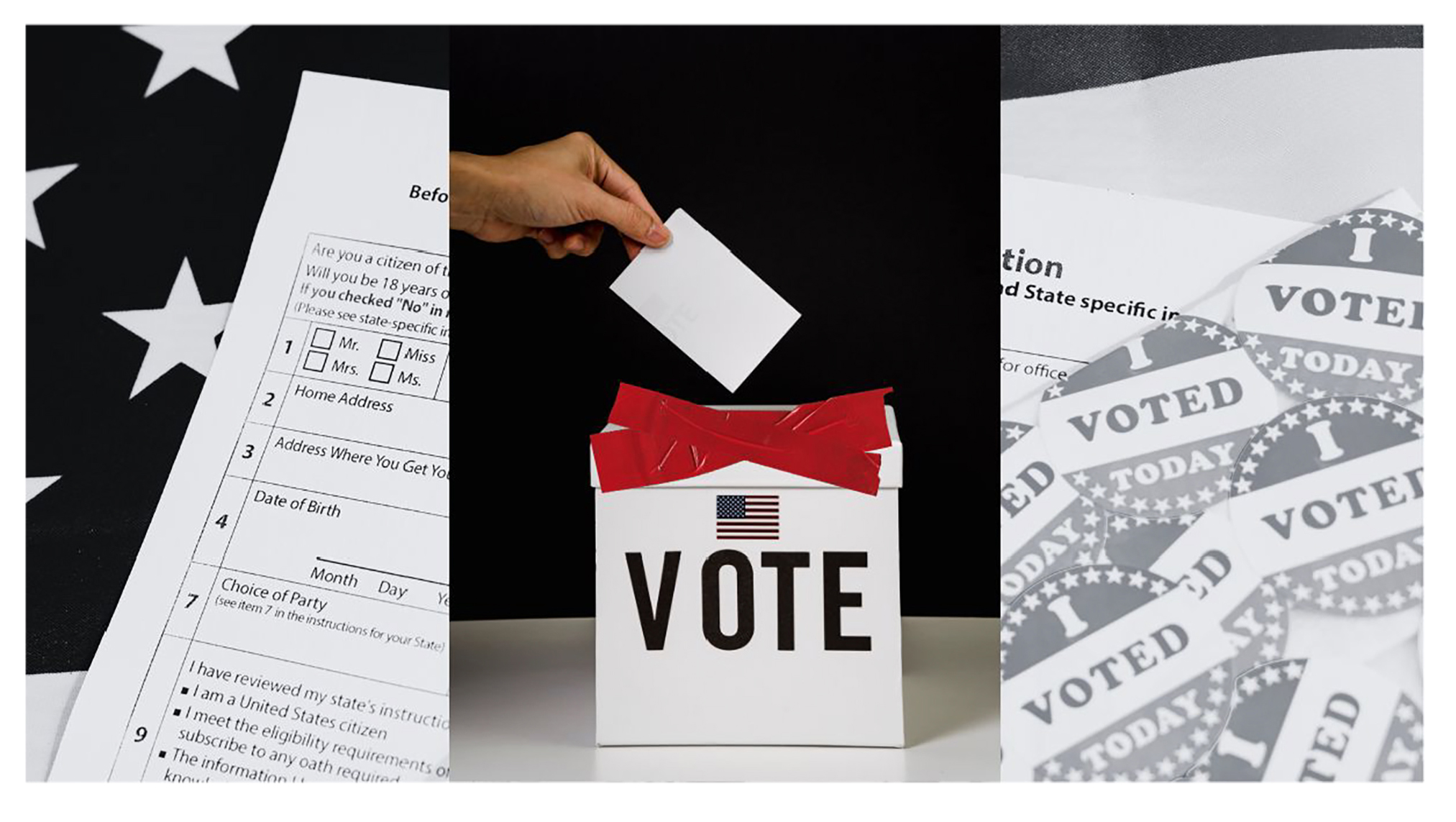
“I think the most prominent disruptions right now are coming from the federal government and coming from the executive branch,” said election law scholar Justin Levitt during a national news briefing.
A New Front in the Battle Over Elections
As the 2026 midterm elections approach, a series of aggressive federal actions have raised alarms among election officials, civil rights advocates, and community leaders. The Justice Department has demanded that nearly every state and Washington, DC, turn over election-related records, including full statewide voter registration lists and, in some cases, ballots from prior elections or access to voting equipment. The federal government has sued more than 20 states and Washington, DC, for refusing to comply, prompting urgent questions about privacy, civil liberties, and the constitutional role of states in running elections.
Who Controls Elections in America
Levitt, a former White House senior advisor for democracy and voting rights and a former official in the Justice Department Civil Rights Division, explained that while the actions are alarming, the president does not legally control how elections are run. “Elections are different. He does not have his hand on the switch that makes things happen with respect to elections,” he said. He described many federal actions as political messaging that creates fear and confusion, but so far, they have not altered how elections are administered on the ground. State and local officials remain the primary stewards of the voting process, and many have resisted federal demands.
Courts as a Critical Safeguard
The briefing underscored that the data being sought includes highly sensitive personal information, raising privacy and security concerns. Voting rights attorneys explained that courts have repeatedly rejected federal efforts to compel states to hand over voter rolls without a valid legal basis. Judges have affirmed that the Constitution assigns the power to regulate elections primarily to states, with Congress holding limited authority to set national standards. These rulings have helped prevent the release of sensitive personal information and have reinforced limits on federal power.
Impact on Immigrant and Minority Communities
Panelists highlighted concerns about how federal actions may chill participation among immigrant communities and voters of color. Community leaders noted that voting is a right, not a privilege, and that policies that increase burdens on voters disproportionately affect communities that already face language barriers, documentation challenges, and limited access to transportation or technology. The fear and confusion surrounding federal data demands risk discouraging lawful voters from participating.
Distrust, Disinformation, and the Long View
The discussion also addressed the long-term damage caused by repeated claims that elections are rigged or fraudulent. While acknowledging that election systems can always be improved, experts stressed that widespread fraud has not been proven. Yet persistent messaging has led some voters to distrust the process itself. Observers noted that people who serve as poll workers or election observers often come away with greater confidence in election integrity because they see firsthand the safeguards in place.
A Faith-Rooted Response to Civic Uncertainty
For faith communities, the stakes are both moral and political. Scripture calls believers to seek justice, protect the vulnerable, and act as faithful stewards of the freedoms entrusted to them. Civic participation, including voting, can be an expression of love of neighbor and responsibility to the common good. In times of confusion, churches and Christian media can help provide clarity, encouragement, and practical guidance on how and where to vote.
What Voters Can Expect in 2026
Despite the legal battles and political rhetoric surrounding federal demands, most Americans are expected to experience voting in 2026 much as they have in recent election cycles. State and local officials continue to administer elections, courts are enforcing constitutional limits, and voting rights organizations are preparing to respond quickly to unlawful interference. In a season marked by tension, faith-informed engagement offers a steady path forward.