

How Soaring Costs Are Reshaping Health Care Access
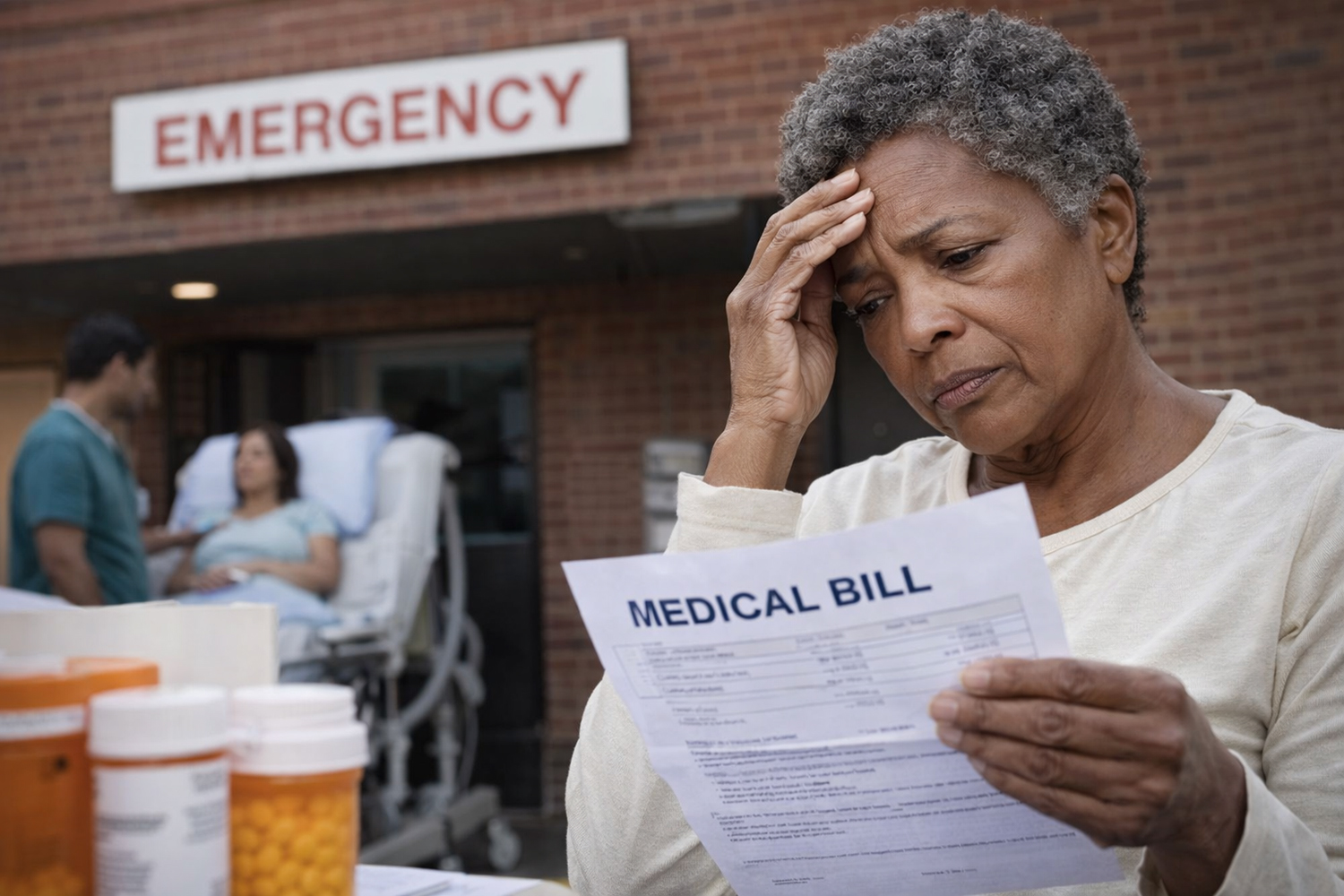
Soaring health care costs are rapidly reshaping access to medical care across the United States, forcing millions of families, seniors, and small business owners into painful choices between treatment and basic necessities. At a recent national briefing organized by American Community Media, policy experts and advocates warned that the convergence of rising insurance premiums, high drug prices, and expiring federal subsidies is widening the gap between those who can afford care and those who cannot.
Health care now consumes nearly one out of every five dollars spent in the United States and accounts for about 18 percent of the nation’s economy. For households, medical expenses have surpassed housing and food as one of the largest and fastest-growing budget items. With enhanced Affordable Care Act premium tax credits expiring, many families who once paid modest monthly premiums are now confronting bills that have doubled or even tripled.
Anthony Wright, executive director of Families USA, described the moment as a crisis created not by medical necessity but by policy decisions. He noted that millions of Americans are now locked into coverage they can barely afford, while others are dropping insurance altogether. For older couples and middle-income families, annual premium costs can now exceed ten thousand dollars, even before deductibles and co-payments are added. “People are paying more and getting less,” Wright said, warning that many are being pushed into lower-tier plans with high out-of-pocket costs or out of the system entirely.
The impact is not limited to individuals. Small businesses, long considered the backbone of the American economy, are struggling to continue offering health insurance to their employees. Rising premiums force employers to make difficult decisions: freeze hiring, limit wage increases, or drop coverage altogether. When workers lose insurance, productivity declines and financial stress increases, affecting entire communities.
Stanford economist Dr. Neale Mahoney explained that the United States spends far more on health care than other developed nations largely because prices, not usage, are higher across the board. From hospital services to prescription medications, Americans pay more for the same care. The average cost of employer-sponsored family coverage now rivals the price of a new automobile each year. Such costs, Mahoney said, strain federal and state budgets, crowd out funding for other priorities, and place a heavy burden on working families.
Prescription drugs remain one of the most visible pressure points. Merith Basey, executive director of Patients for Affordable Drugs, told the briefing that one in three Americans struggles to afford their medications. She described a system in which pharmaceutical companies set high launch prices and use extended patent protections to delay competition, keeping costs artificially high. Patients with chronic illnesses and cancer often face co-payments in the thousands of dollars, leading some to ration medication or skip treatment altogether.
Recent reforms allowing Medicare to negotiate the price of certain high-cost drugs have brought meaningful reductions, offering hope that policy can ease the burden when public will aligns with patient needs. Yet even with new caps on out-of-pocket spending, many seniors on fixed incomes continue to face difficult choices between medicine, food, and housing.
For faith communities, the crisis raises profound moral questions. Scripture consistently affirms the call to care for the sick, protect the vulnerable, and pursue justice for those on the margins. When access to healing becomes a privilege rather than a right, society must confront not only an economic failure but a spiritual one.
The American Community Media briefing made clear that soaring health care costs are not merely a technical policy problem. They are a human and ethical challenge that touches families in every pew and neighborhood. As lawmakers debate solutions, churches, advocates, and citizens alike are being called to speak for those whose voices are often lost in the complexity of the system and to work toward a future where no one must choose between health and survival.