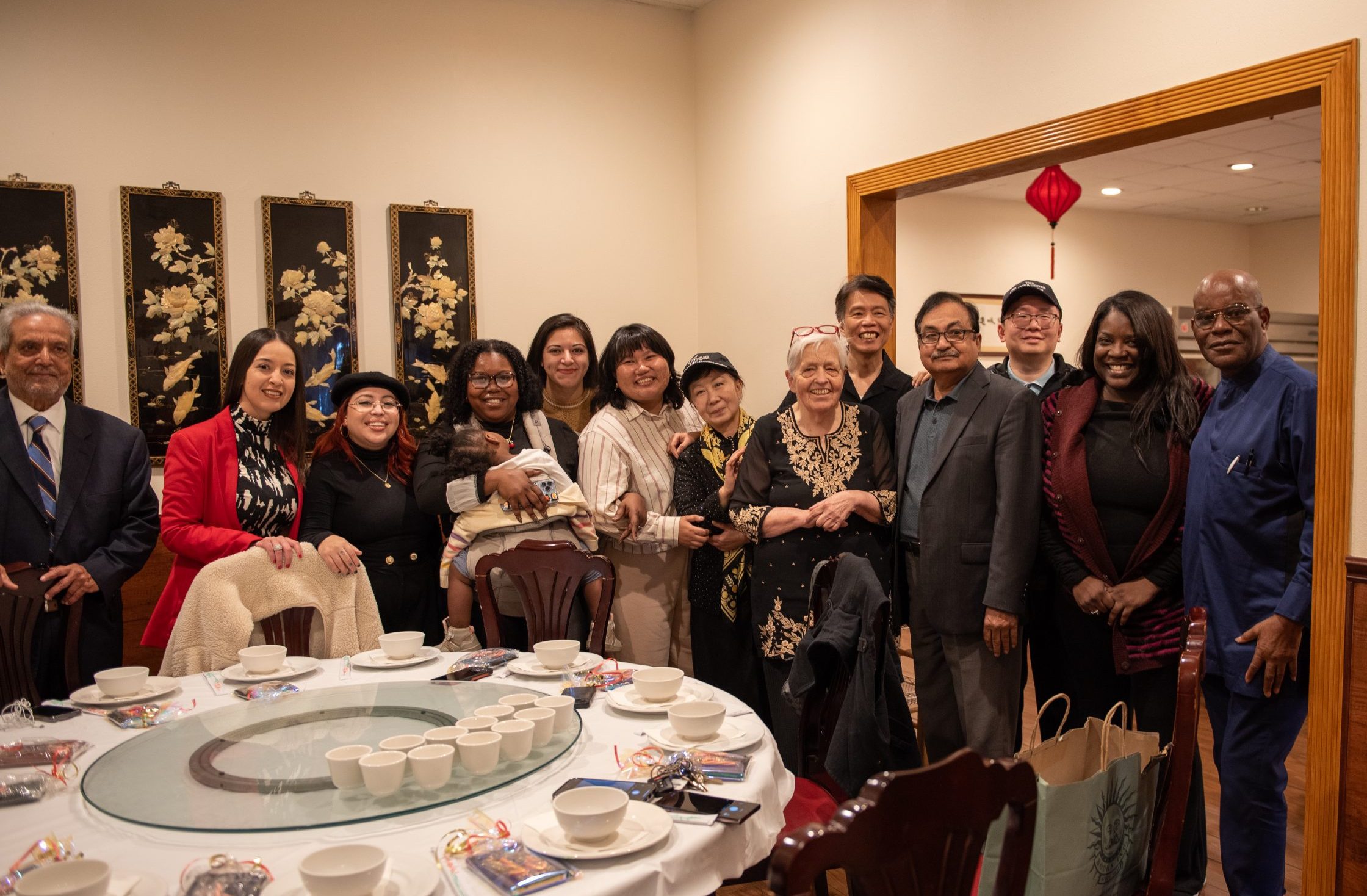
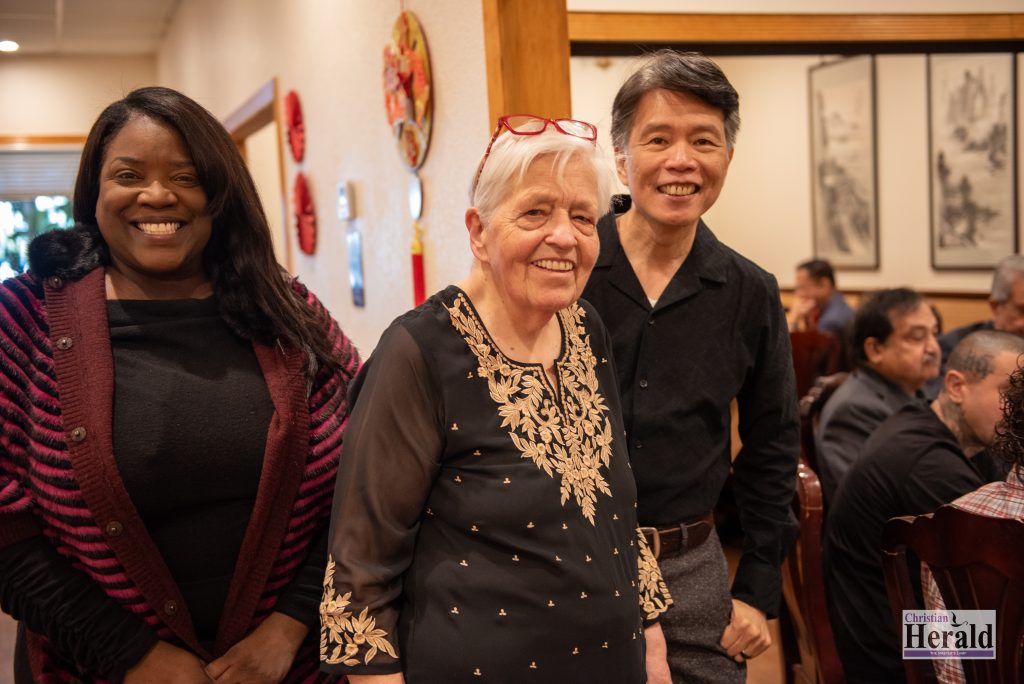
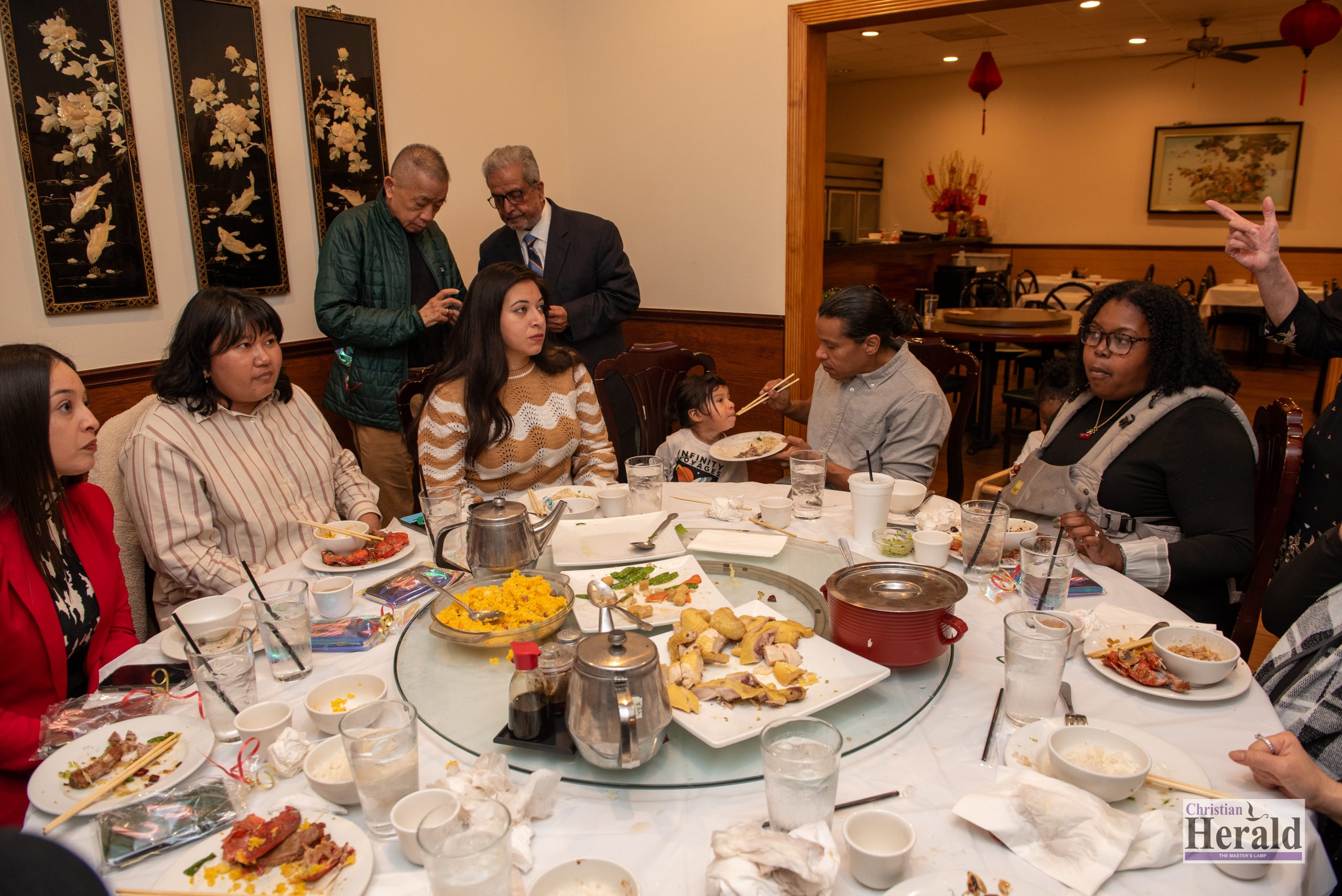
As the year drew to a close, ethnic and community media leaders gathered for what was described simply as a holiday lunch. Yet for those seated around the table, including our publication, the gathering represented far more than a meal. It was a moment of affirmation, shared purpose, and collective resolve at a time when community journalism faces unprecedented challenges.
The invitation, extended by Sandy Close, was intentionally modest. There were no sponsors in the room, no formal presentations, and no outside agendas. Instead, the focus was on the people who do the work every day, publishers, editors, reporters, photographers, and communicators whose platforms serve communities often overlooked by mainstream media.
For our publication, being present in that room was both an honor and a reminder of why this work matters.
“This is a unique collection of communicators, building communities,” Close said as she welcomed colleagues. “That’s what we’re doing.”
Those words resonate deeply with our mission. As a community-focused publication, our role has always extended beyond reporting headlines. We exist to reflect the lived experiences of our readers, amplify voices that might otherwise go unheard, and provide accurate, culturally informed coverage that strengthens civic participation.
The lunch offered an opportunity to reflect on a year marked by both difficulty and achievement. Speakers spoke candidly about the economic uncertainty facing media organizations nationwide. Advertising revenues are strained, newsroom resources are stretched, and the sustainability of independent outlets remains a pressing concern. Yet the tone of the conversation was not defeatist. It was strategic.
Close acknowledged that this is one of the most challenging periods she has witnessed in more than five decades in the field. At the same time, she outlined a clear vision for how ethnic and community media can not only survive but assert their value more visibly in the years ahead.
That vision aligns closely with Christian Herald’s decision to join this collective.
Throughout the discussion, participants highlighted milestones from the past year that demonstrated the strength of collaboration. A major media expo earlier in the year was cited as a turning point, bringing together dozens of outlets and forcing civic leaders and institutions to recognize the scale, professionalism, and longevity of ethnic and community media in the region.
For our publication, collective visibility matters. While each outlet serves a distinct audience, together we represent decades of institutional knowledge, deep trust within our communities, and the ability to reach audiences in ways mainstream media often cannot.
Speakers also reflected on joint reporting efforts, including a wide-reaching citizenship campaign that engaged communities through culturally relevant storytelling rather than generic advertising. The campaign produced dozens of original stories, supported community events, and generated significant audience engagement. More importantly, it demonstrated the effectiveness of meeting people where they are, in language, culture, and context.
As a publication committed to faith-informed and community-centered journalism, we recognize the power of that approach. Being part of this organization strengthens our capacity to serve our readers while contributing to a broader ecosystem that values collaboration over competition.
The gathering also underscored the importance of relationships. Newer participants sat alongside veterans who have been building ethnic media networks for decades. Conversations flowed easily, reflecting a sense of trust that has grown over time. Several speakers noted how professional partnerships have evolved into a genuine community, something rare in an industry often defined by isolation.
Looking forward, Close outlined initiatives that directly impact publications like ours. These include developing a community media credentialing process to improve access to civic institutions, expanding opportunities for public notice advertising, and increasing engagement with city and county leadership through regular briefings and visibility at City Hall.
Equally significant is the emphasis on community building as a funding and engagement strategy. Rather than pitching ethnic media solely as platforms, the organization is positioning its members as connectors between diverse communities and the civic space. That framing reflects what our readers already know: trusted community media are essential to a healthy democracy.
As the formal remarks concluded and the shared meal finally began, the mood in the room was one of gratitude and quiet confidence. There was an unspoken understanding that the work ahead would not be easy. But there was also clarity that no one is doing it alone.
Christian Herald is proud to be part of this organization, proud to stand alongside colleagues who share a commitment to truth, service, and community, and proud to contribute to a collective effort that continues to shape the media landscape in Houston and beyond.
In a time when visibility, credibility, and collaboration matter more than ever, being at that table was not just symbolic. It was essential.
CLICK ON THE LINK TO SEE THE FULL PHOTO GALLERY: