

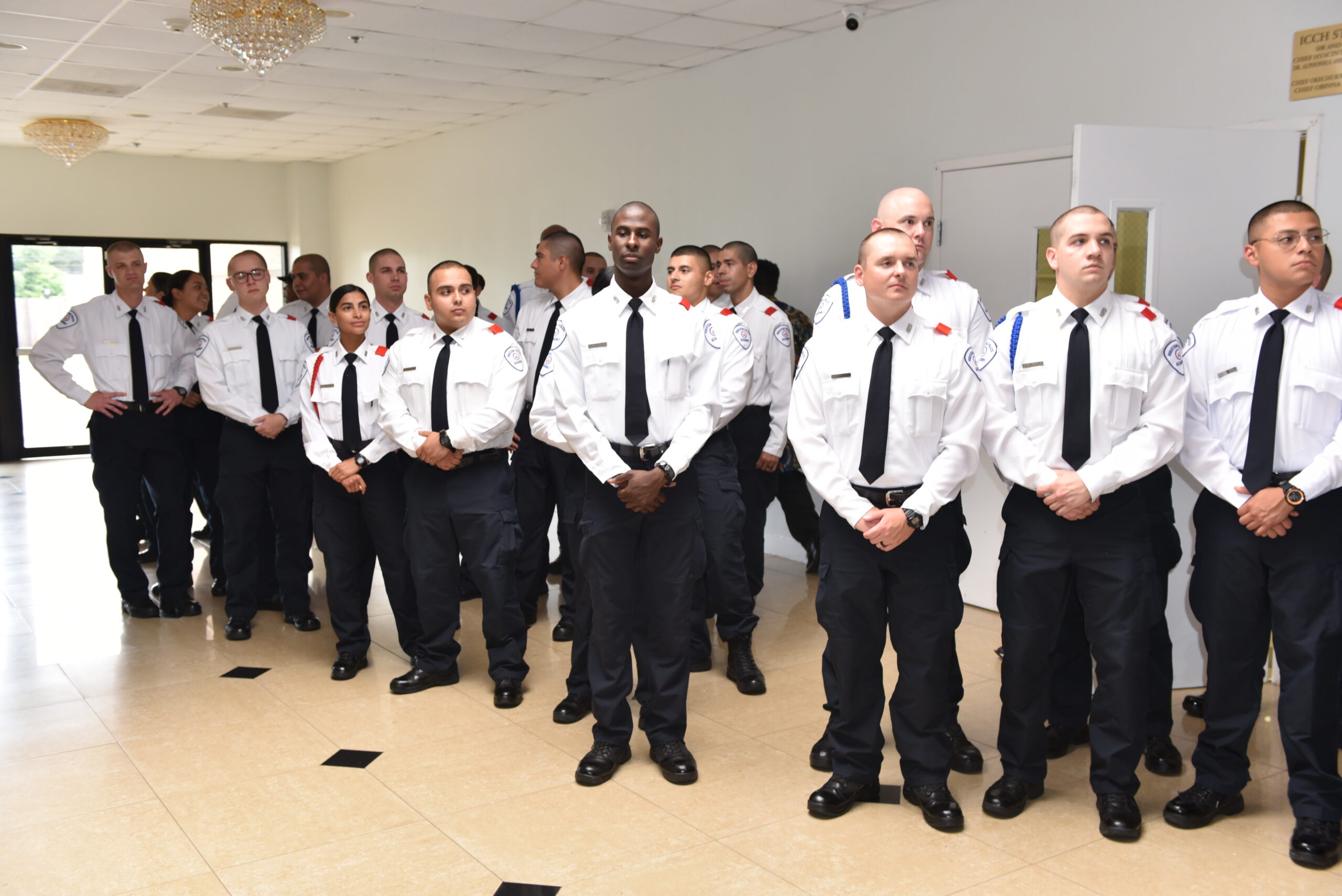
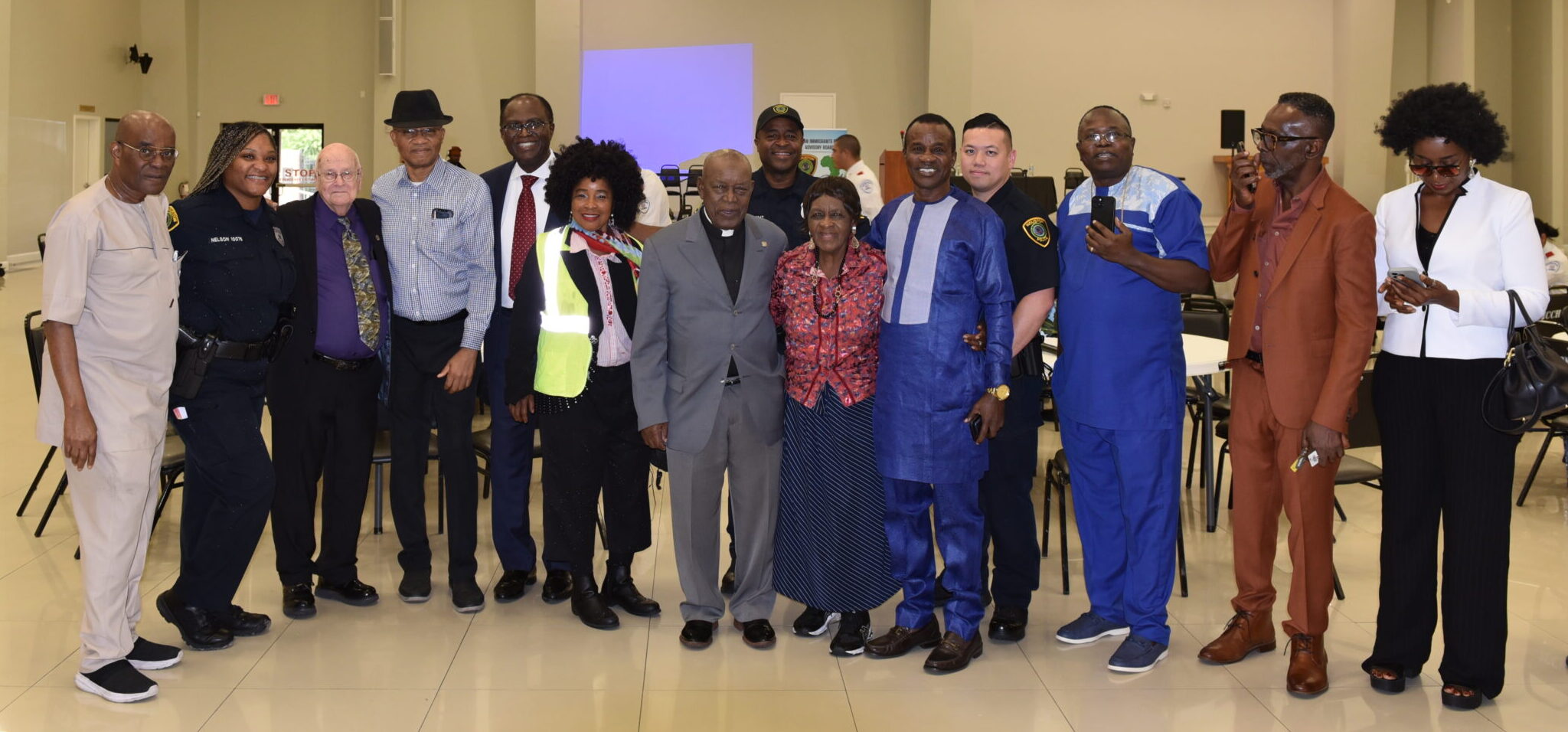
In a significant step toward healing and progress, the African Immigrants Houston Police Advisory Board recently arranged a groundbreaking meeting between members of Houston’s African immigrant community and cadets from the Houston Police Academy. The goal was not simply a polite introduction—it was a declaration: that both the Houston Police Department (HPD) and the African immigrant population must better understand each other in order to reduce conflict, promote safety, and build mutual trust.
This meeting, held in southwest Houston, was the first of its kind for this particular population and marks a turning point in law enforcement-community engagement in one of the most diverse cities in America. With the number of African immigrants in Houston rapidly increasing and tensions around law enforcement still fresh in the national memory, such gatherings are not only timely—they’re essential.
A Growing and Diverse Population
Houston is home to one of the largest African immigrant communities in the United States, with an estimated 400,000 African immigrants and first-generation African-Americans calling the region home. This group hails from more than 40 countries, including Nigeria, Ghana, Kenya, Ethiopia, Cameroon, and the Democratic Republic of Congo.
These families contribute richly to the city’s economic, spiritual, and cultural life. African immigrants are heavily represented in the healthcare sector, business development, education, and ministry. However, despite their contributions, many in this community have reported feeling misunderstood or mistrusted when interacting with law enforcement.
This is not necessarily due to criminal behavior—many of these tensions arise from cultural misunderstandings, limited exposure to U.S. policing norms, and linguistic barriers that can quickly escalate otherwise simple encounters.
Why Cultural Differences Matter
According to a 2022 study by the Migration Policy Institute, nearly 40% of African immigrants surveyed expressed some level of fear or discomfort in engaging with law enforcement. Many are from countries where police forces are known to be corrupt, violent, or militarized—leading to a deeply ingrained wariness of officers in uniform.
A study from the Vera Institute of Justice further explains that Black immigrants often feel the pressure of “double jeopardy”—marginalized both as immigrants and as Black individuals. This perception, when met with officers who are unfamiliar with cultural cues, non-verbal communication norms, or traditional expressions of respect or defiance, can create moments of misinterpretation.
For example, in some African cultures, it is considered respectful to avoid direct eye contact with authority. In the U.S., however, avoiding eye contact may be perceived by an officer as suspicious or evasive. Something as small as tone of voice or physical posture—especially in tense traffic stops—can determine whether an encounter ends calmly or escalates.
Houston Police Chief J. Noe Diaz and Mayor John Whitmire are well aware of these dynamics. In 2024, they began investing in recruitment and reform initiatives that not only address staffing shortages but also acknowledge the vital need for community-based policing models. These efforts include diversity training, cultural sensitivity education, and community liaison partnerships—like the one now forming between HPD and the African Immigrants Police Advisory Board.
A Step Toward Long-Term Partnership
The cadet gathering served as an icebreaker—and a challenge. Community leaders urged cadets to listen with humility, while elders and youth from the African community voiced their lived experiences and expectations.
“This is a relationship we believe will be of mutual benefit,” said a spokesperson from the advisory board. “It is not about blame or fear. It’s about knowledge and mutual respect.”
The board emphasized that their mission includes promoting good citizenship among African families through enlightenment programs, education, and active participation in civic life. At the same time, they want law enforcement to better understand the nuances of African cultural traditions that can impact everything from how a person communicates to how they react under stress.
An Investment in Trust
In the broader context, this is part of a larger investment by city officials to improve community-police relations. In 2024, Mayor Whitmire announced a $10,000 hiring bonus for incoming HPD cadets and pledged additional funding for officer development.
“This is an investment in the men and women of our police department who put their lives on the line daily to keep our community safe,” said the mayor during a recent speech to Cadet Class #267. “But we also need those officers to represent the communities they serve.”
Mayor Whitmire urged cadets to prioritize respect for all citizens. “When you pull someone over, I believe it’s your duty to treat that person like a family member,” he said. “We are here to protect, not to intimidate. The model we want in Houston is law enforcement that protects the public, protects yourself, and protects your family.”
Chief Diaz echoed this vision, stating that HPD must evolve to reflect the demographic changes happening across Houston. And with African immigrants now representing a significant slice of the population, their representation, voice, and concerns must be included in the city’s vision for safety and justice.
The Role of the Advisory Board
The African Immigrants Police Advisory Board isn’t just symbolic—it has a real mission and practical goals. These include:
- Acting as a liaison between HPD and African community leaders
- Promoting HPD recruitment among African youth
- Advocating for community education on police rights and responsibilities
- Encouraging faith-based and cultural organizations to engage with public safety efforts
- Supporting cultural training for officers, particularly those assigned to diverse districts
According to the advisory board, the goal is to ensure the constitutional rights of life, liberty, and the pursuit of happiness are upheld for all Houstonians, regardless of nationality or country of origin.
“This Committee will endeavor to foster positive community integration,” said one board member. “Houston is an international city. Our people work in hospitals, teach in schools, play in the NBA, own businesses, and serve in churches. It is time for us to also be at the table when it comes to public safety.”
Houston’s Global Identity
Houston’s international status—especially in the global energy economy—ties it deeply to many African nations. Oil, technology, and trade link Texas to Nigeria, Angola, Ghana, and beyond. African dignitaries regularly visit Houston, and diplomatic and business exchanges are growing. Yet domestically, African immigrants often feel invisible in the civic dialogue.
This police advisory relationship aims to change that.
By creating space for conversations about everything from traffic stops to family safety, the community is investing in something many immigrant families feared would never happen—a seat at the table, and a say in the process.
Conclusion: A Christian Mandate for Peace and Justice
At The Christian Herald, we view this development not only through the lens of civic engagement but also through the biblical call to justice, mercy, and peace.
Scripture reminds us:
“Blessed are the peacemakers, for they shall be called the children of God” (Matthew 5:9).
And again:
“Learn to do good; seek justice, correct oppression; bring justice to the fatherless, plead the widow’s cause” (Isaiah 1:17).
This partnership between the African Immigrant Advisory Board and the Houston Police Department is more than a political gesture—it is an embodiment of the gospel imperative to bring understanding where there is fear, and to build peace where there has been mistrust.
Let us pray that this alliance grows stronger, and that the future of Houston is one in which every resident—whether born in Texas or transplanted from Togo—feels equally safe, equally respected, and equally heard.