

By The Christian Herald
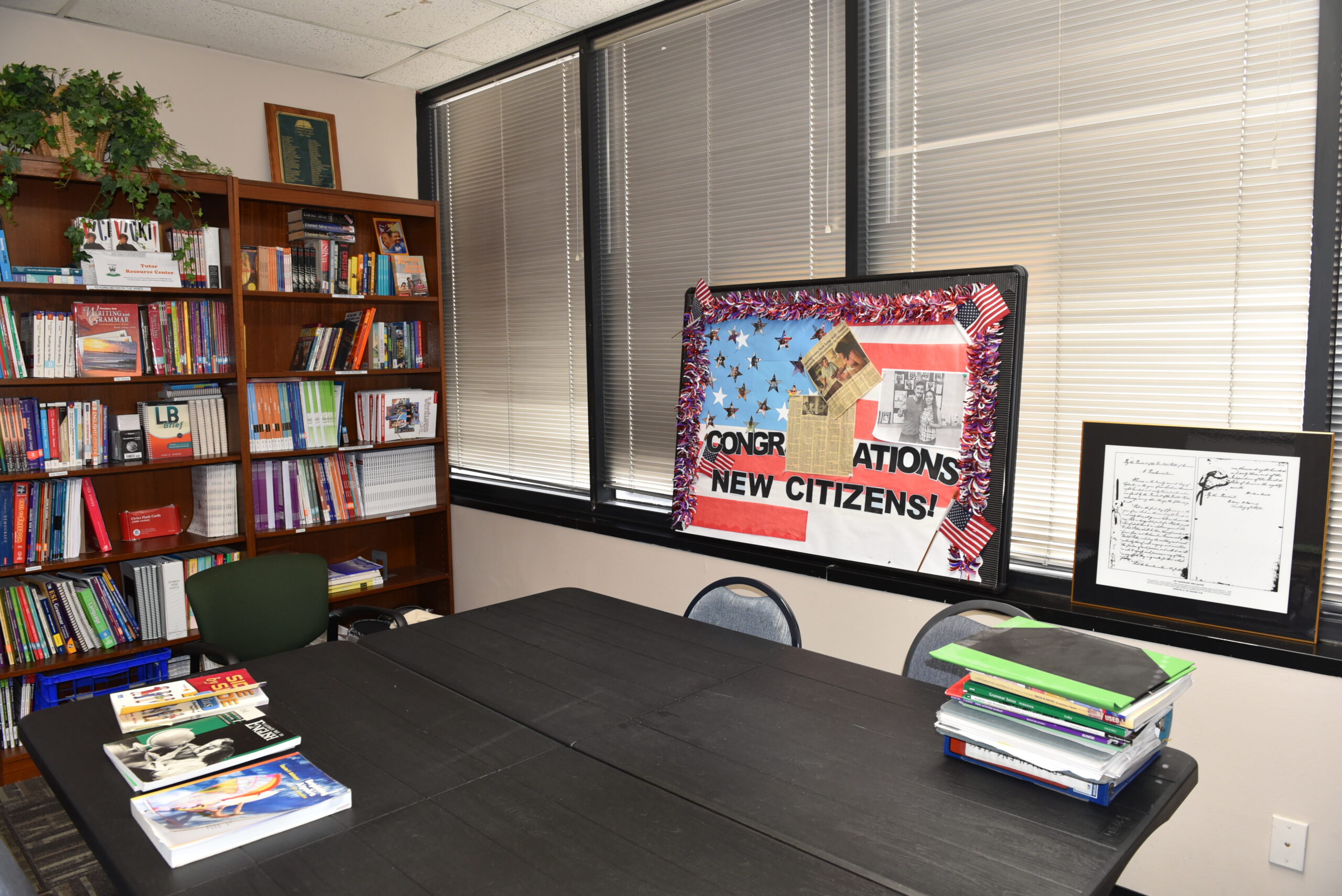
In a quiet building nestled in the heart of Sugar Land, the Literacy Council of Fort Bend County is helping people take one of the most significant steps of their lives: becoming United States citizens.
Through its comprehensive U.S. citizenship preparation program—part of a broader mission to enhance lives through adult education—the Literacy Council has become a trusted hub for immigrants seeking guidance, support, and empowerment.
“We’re better together,” said Executive Director Deidre Smith. “That’s our value. That’s our heartbeat.”
Founded by a small group of women who saw a growing need in Fort Bend County, the Literacy Council began as a grassroots effort to address adult illiteracy, especially among immigrants who needed help learning English. Over the years, it has expanded into a fully staffed organization offering five core programs: U.S. citizenship, GED preparation, basic literacy, digital literacy, and English as a Second Language (ESL).
Opening the Door to Citizenship
The citizenship program, Smith explained, has grown in both demand and depth. “When individuals walk through our doors, many are preparing for their naturalization interview, or they’re considering applying and want to know what’s required,” she said.
Before joining the class, prospective students are assessed for their English proficiency, as the naturalization interview and related materials are all conducted in English. “If a person isn’t quite ready linguistically, we recommend they start with our ESL program,” said Ruby Lopez, the Council’s Outreach Manager. “We want them to succeed, not feel overwhelmed.”
Once accepted into the program, students attend weekly classes—offered in person, online, or in a hybrid model—where they study civics, U.S. history, and constitutional principles. Volunteers lead mock interviews, role-playing USCIS officials to give students a realistic feel of the actual process.
“It could take three weeks for someone who’s ready, or a full academic year for those who need more preparation,” Lopez said. “We’re here for as long as they need us.”
Backed by Community and Partnerships
This work is made possible through funding from partners like the Houston Endowment and Dahlberg Consulting, which have allowed the Literacy Council to expand its reach and add resources. Through this support, the program now includes referrals to immigration attorneys and legal clinics for help with the N-400 application and documentation gathering.
“Some people come to us thinking we can complete their application, but we refer them to trained legal professionals,” Lopez explained. “We know who to trust in the community and only send our students to partners who are compassionate and qualified.”
It’s an approach based not only on skill but on empathy—something both Smith and Lopez cite as central to their calling. “This is personal to us,” Lopez said. “We’ve seen too many people taken advantage of—going to a notary thinking they’re an attorney, losing money, and sometimes their chance at citizenship.”
From the Heart: Staff with a Mission
Both Smith and Lopez have over 20 years of experience in nonprofit work and human services, bringing a deep well of empathy and practical expertise to their roles.
Smith, who came to the Council in May 2023, says her leadership style is rooted in operational excellence and servant leadership. “This is what I’ve always done,” she said. “Helping families, communities, and now adults—giving them the tools they need to thrive.”
Lopez’s path started in elder care and early childhood education before she found her place in social services. “My mother inspired me. She always helped people. I followed in her footsteps,” she said. “What I do now—raising awareness, advocating for access to information—it’s just a bigger version of what I’ve always done for my family.”
A Safe Space with Real Results
Students who participate in the Literacy Council’s programs don’t just learn—they transform. Many arrive unsure, afraid of making mistakes or being judged. What they find is a safe, welcoming environment where dignity comes first.
“Our classes are not just educational,” Lopez said. “They’re healing. People feel respected here. They’re not numbers; they’re future citizens.”
The Council currently offers these programs in its main location as well as through outreach sites in surrounding areas, including Harris County. “As long as they can get here, we’ll serve them,” Smith said.
The organization also makes extensive use of technology, from digital libraries to virtual classrooms. “Whether it’s someone coming in person or someone logging in from home, we meet them where they are,” said Smith.
Funding the Mission
Behind this good work lies the often-unseen challenge of funding. The Literacy Council is currently in the midst of a capital campaign to raise $425,000 for building repairs, safety updates, and technology upgrades. So far, they’ve raised about half that goal.
“We host two major fundraising events a year, apply for grants, and welcome donations from local businesses and individuals,” Smith said. “It’s a constant hustle—but it’s worth it.”
The Council also welcomes volunteers. Citizenship instructors do not need to be certified teachers; they simply need to complete the organization’s training and commit to at least three hours per week for one semester.
“Some volunteers stay for years,” Lopez said. “They become mentors, not just teachers.”
[PHOTO: Volunteer instructor leading a mock citizenship interview]
Building Trust, Changing Lives
The journey to U.S. citizenship is often long and complicated, and for many immigrants, it’s filled with fear and uncertainty. By offering structured support in a compassionate setting, the Literacy Council is removing barriers—and restoring hope.
“We know people have had bad experiences,” said Lopez. “They’ve been misled, scammed, or simply overwhelmed. Here, they can breathe. Here, they can trust.”
The impact is both individual and communal. New citizens gain not just legal status but confidence. Families are strengthened. Communities grow more connected and informed.
“Every naturalization is a win for all of us,” said Smith. “It means a new voter, a new leader, a new voice in our society.”
How to Access the Program
Enrollment is simple. Interested individuals can visit www.ftbendliteracy.org, call 281-240-8181, or follow the Council on Facebook, Instagram, and LinkedIn. The organization offers rolling admissions and adjusts costs based on ability to pay.
“No one is turned away,” Smith emphasized. “We’ll find a way.”
For those wishing to support, donations, volunteer sign-ups, and partnership opportunities are always welcome.
“This is not just about citizenship,” Lopez concluded. “It’s about dignity, purpose, and being part of something greater. And we’re proud to be part of that journey.”
[SIDEBAR] Quick Facts: Literacy Council of Fort Bend County
- Founded: By local women in response to rising adult illiteracy
- Location: Sugar Land, TX (serving Fort Bend and surrounding counties)
- Core Programs: Citizenship, ESL, GED, Basic Literacy, Digital Literacy
- Website: www.ftbendliteracy.org
- Phone: 281-240-8181
- Volunteer Commitment: 3 hrs/week for 6–8 weeks minimum
Donations & Partnerships Welcome